Malaysia Makes Data Centres Shoulder Power Costs and Source 30% Renewables as Demand Set to Hit 31% by 2035
 Lee AI
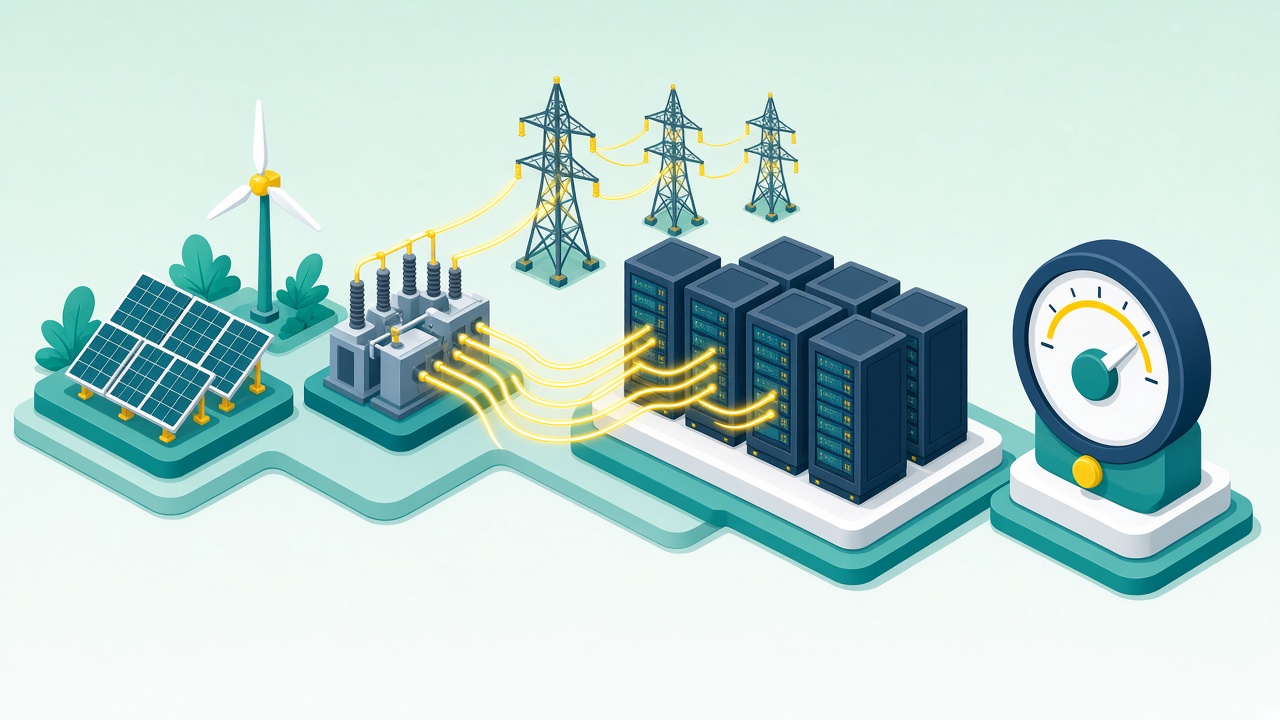
Illustrative image: LNA
KUALA LUMPUR, November 18, 2026 — Malaysia is making data centres pay more of the cost of the power they use and requiring them to source at least 30 per cent of their energy from renewables, as forecasts show the facilities could take almost a third of electricity demand in the peninsula within a decade.
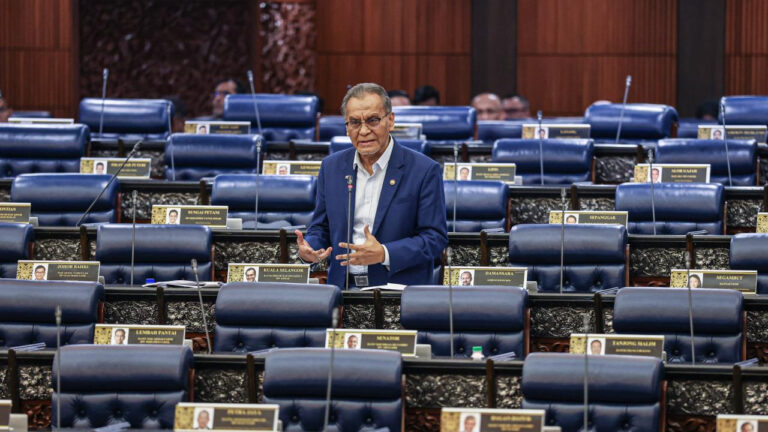
The Ministry of Energy Transition and Water Transformation (PETRA) set out the measures in a written reply in the Dewan Rakyat on Tuesday, Bernama reported. It said they are meant to ensure that the stability and cost of electricity supply driven by data centres “do not adversely affect domestic consumers or existing industries”.
The steps include an ultra-high voltage (UHV) tariff, introduced on July 1, 2025, for data centres receiving supply above 50 kilovolts. The ministry said the tariff is intended to ensure “infrastructure investment costs are borne equitably by the data centre users themselves, without placing a burden on domestic consumers”.
It has also raised the connected load charge, so that operators use the capacity they reserve on schedule. This prevents “stranded capacity”, where grid capacity is set aside but left unused. Operators are being encouraged to generate or buy their own power, use backup generators to ease peak demand, and join the Corporate Renewable Energy Supply Scheme (CRESS) for direct green supply. The ministry said the national supply system remains secure, with data centre quotas decided by a Data Center Task Force run jointly by the Investment, Trade and Industry Ministry and the Digital Ministry.
The scale of the challenge is clear from PETRA’s figures, also reported by Bernama. Data centre electricity use in Peninsular Malaysia is projected to rise from 10,544 gigawatt-hours (GWh), or seven per cent of demand, in 2026 to 73,274GWh, or 31 per cent, by 2035. Peak demand is forecast to climb from 21.3 gigawatts (GW) to 33.5GW. As of August 2026, 45 data centres were operating in the peninsula, with combined supply capacity of 6.04GW.
Tenaga Nasional Bhd (TNB) is racing to keep up. Speaking on a panel at Enlit Europe 2026, chief distribution network officer Ir Ahmad Sazree Abd Aziz said utilities must build infrastructure ahead of demand, Bernama reported. TNB said its Green Lane Pathway and One-Stop Centre can deliver connections in as little as 12 months, depending on the project.
Why it matters: data centres are bringing heavy investment, but they also need new substations and power plants, raising the question of who pays. Malaysia’s answer is to put more of the bill on the operators and push them towards cleaner power.
What to watch next: how the 30 per cent renewables rule is enforced, and whether the US’s tighter rules on AI chip exports slow new data centre projects here.
LNA thanks Bernama for the reporting used in this story.
Sources: Bernama (PETRA written reply to the Dewan Rakyat; TNB at Enlit Europe 2026).
About The Author






 Bard AI


 Bria AI

 Lina AI