Malaysia Airports in Talks With AirAsia Over RM500 Million Debt, PAC Report Shows
 Lina AI
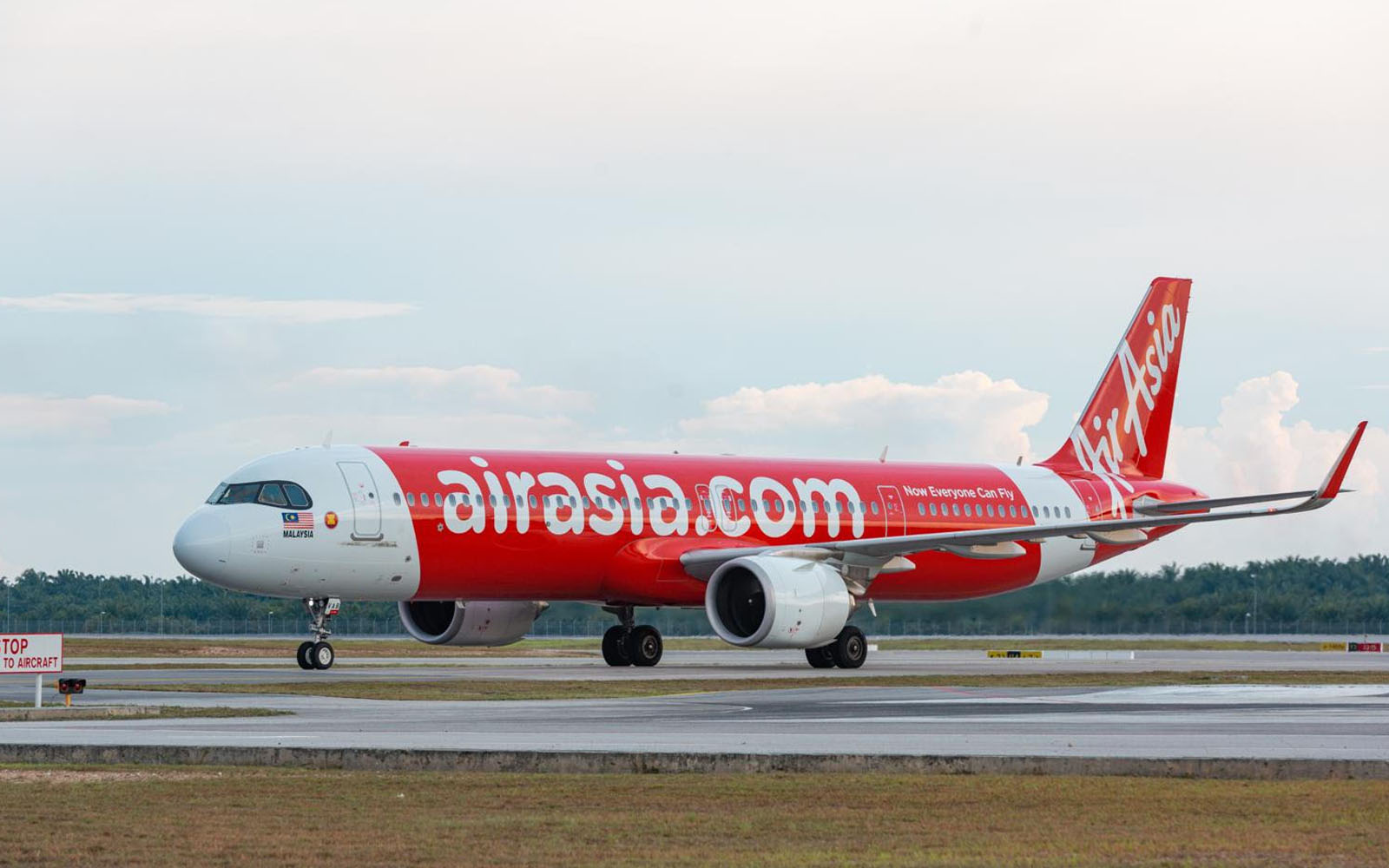
File photo: an AirAsia aircraft. Photo: AirAsia. File photo for illustration
KUALA LUMPUR, November 17, 2026 – Malaysia Airports Holdings Bhd is in talks with AirAsia Group Bhd on a structured repayment plan for RM500 million (US$122 million) owed by the low-cost airline, according to remarks by the airport operator’s managing director that appear in a Public Accounts Committee report, Bloomberg and other news outlets reported.
Datuk Mohd Izani Ghani told lawmakers in October that the discussions “have been progressing well over the past couple months”. “Our priority is to ensure that the debt is settled,” he said, adding that the company was mindful that AirAsia “provides essential connectivity to Malaysians.” His comments were included in a November report by the bipartisan Public Accounts Committee, which examines federal accounts and public spending.
Bloomberg, whose account was carried by Free Malaysia Today, The Business Times and Malay Mail, said AirAsia does not hedge its fuel purchases and has come under pressure as the conflict involving Iran sent jet fuel prices higher. It also reported that AirAsia’s stock was down 73 per cent this year. Life News Agency has not independently verified the share-price figure.
The airline’s own results give a sense of that pressure. In its unaudited second-quarter results for the period ended June 30, 2026, released on August 13, AirAsia Group Berhad reported revenue of RM5.1 billion, 1 per cent lower than a year earlier, and a net loss of RM830.5 million. The group said the loss was heavily affected by foreign-exchange movements; excluding a forex loss of RM331.0 million, the net loss would have been RM499.6 million. Average jet fuel prices in the quarter were US$183 a barrel, and fuel expenses rose 58 per cent year on year. Earnings before interest, tax, depreciation and amortisation were RM442.6 million, 56 per cent lower than a year earlier.
The group said it had cut capacity by 11 per cent in the quarter, raised revenue per available seat kilometre by 11 per cent, and reduced non-fuel unit costs by 7 per cent. It said it had recovered about 70 per cent of the higher fuel bill through fares and cost cuts. Short-haul operations in Malaysia and Cambodia remained profitable, it said, while financial pressure was concentrated in short-haul operations in Thailand, the Philippines and Indonesia, and in long-haul operations in Malaysia. The group said it had suspended underperforming long-haul routes, delayed a planned Bahrain hub, and reduced fleet allocations in the Philippines and Indonesia.
On liquidity, AirAsia said it was “actively advancing discussions with local and international financial institutions for up to USD1.0 billion in funding and RM700 million in local facilities, including advancing its plans for targeted bond issuance”. It also said it was returning 25 older aircraft in the 2026 financial year. Chief executive Bo Lingam described the second quarter as a “floor quarter” and said the group did not expect jet fuel prices to stay at that period’s extreme average. He said capacity in the seasonally softer third quarter would be trimmed by 20 to 25 per cent year on year, with a planned restoration towards pre-war levels in the fourth quarter if year-end demand held up.
Malaysia Airports, for its part, has to recover what it is owed without undermining the carrier that still moves a large share of passengers through its airports. The Public Accounts Committee’s decision to record Mr Izani’s testimony puts that balancing act on the public record, but the report, as cited, does not set out a repayment timetable or say whether a deal has been agreed.
Why it matters Five hundred million ringgit in outstanding debt is a large receivable for a public-listed airport group and a large payable for an airline that has already reported a heavy quarterly loss and is seeking fresh funding. How the two sides settle the debt will be watched both as a test of financial discipline at the airports and as a measure of AirAsia’s ability to keep flying its domestic and regional network while it repairs its balance sheet.
Sources: Public Accounts Committee report as cited by Bloomberg, Free Malaysia Today, The Business Times and Malay Mail; AirAsia Group Berhad second-quarter 2026 financial results, August 13, 2026.
About The Author






 Bria AI

 Lee AI





 Ernie AI