PUTRAJAYA, MALAYSIA January 6, 2026 – The Malaysian government has reaffirmed its commitment to a comprehensive digital transformation of the public sector, following Prime Minister Dato’ Seri Anwar Ibrahim’s strong call for urgent and serious implementation of digitalisation initiatives.
In his New Year Address on 5 January 2026, the Prime Minister emphasised that digitalisation is no longer optional but an essential requirement for the nation. He stressed that efforts must go beyond planning and budget allocations, focusing instead on tangible improvements in work performance and the quality of government services delivered to the people.
Anwar urged all public sector transactions to be conducted fully online, except where restricted by law, and called for greater adoption of Artificial Intelligence (AI) technologies to enhance efficiency and service quality. He described this approach as progressive and aligned with Malaysia’s vision to become a competitive, people-centric digital nation.
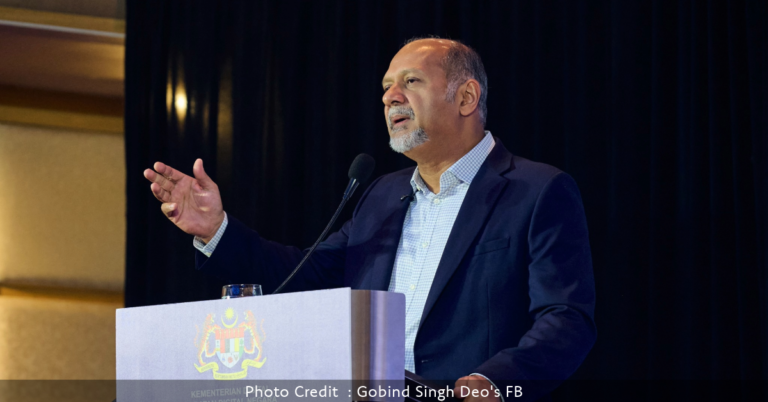
The Ministry of Digital welcomed the Prime Minister’s directive, pledging to intensify efforts to deliver seamless end-to-end (E2E) digital government systems. Through the National Digital Department (JDN), the ministry is actively monitoring E2E implementation across all government agencies to ensure efficiency, effectiveness, and compliance with established digital standards.
As of 2025, 80% of government agencies have achieved full E2E implementation, reflecting sustained progress. The government now targets 95% of federal services to be delivered fully online by 2030 and 100% digitisation of federal data under a Whole-of-Government approach to strengthen national digital transformation and improve service delivery.
To drive these goals, JDN is developing the Public Sector Digitalisation Plan 2026–2030, expected to be completed by mid-January 2026. The plan will accelerate digitalisation across federal, state, and local authority levels, including upgrades to existing systems, adoption of emerging technologies, digital talent development, and enhanced inter-agency collaboration for integrated, high-impact outcomes.
The ministry also highlighted responsible and ethical AI adoption through the AI@Work initiative, a platform designed to boost daily operational efficiency, productivity, and service quality in the public sector. From March to November 2025, monthly AI usage under the programme grew by 10%. By December 2025, 373,346 civil servants were actively using AI tools, benefiting from faster document preparation, reduced time on routine tasks, and better-informed decision-making.
These efforts will be further strengthened in 2026, supporting the government’s push towards paperless operations and leveraging AI to elevate performance, productivity, and public service standards.
In conclusion, the Ministry of Digital reiterated its unwavering commitment to a holistic, integrated, and results-oriented digital agenda. AI and other digital technologies will be rolled out in phases, ethically, and with the people’s interests at the core—fully aligned with the Prime Minister’s vision to enhance administrative efficiency, service quality, and Malaysia’s global competitiveness.

About The Author