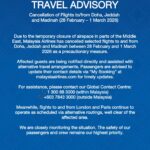
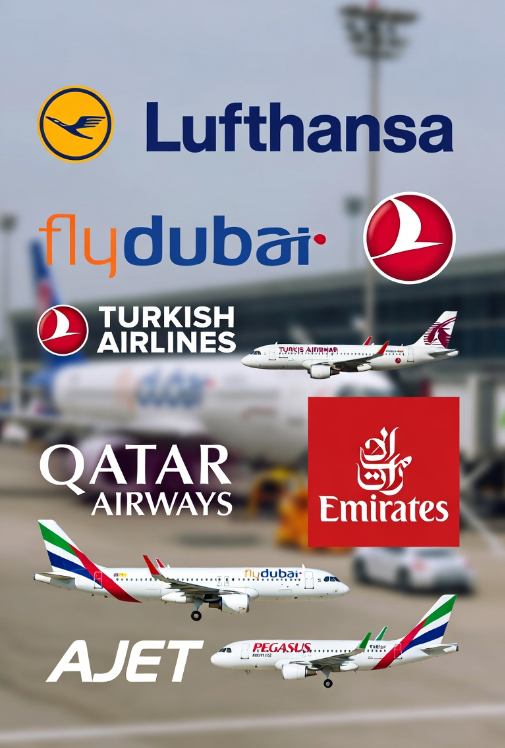
TEHRAN, IRAN January 11, 2026 – Several major international airlines have suspended or cancelled flights to Iran amid escalating civil unrest and a nationwide internet blackout, raising concerns about safety and operational challenges in the region. Carriers including Lufthansa, flydubai, Turkish Airlines, Qatar Airways, Emirates, Pegasus Airlines, and Ajet have halted services to key Iranian cities such as Tehran, Shiraz, Mashhad, Tabriz, and Isfahan. The disruptions began on January 9 and continued into January 10, with some airlines extending suspensions until further notice as protests show no signs of abating.
Flydubai, a Dubai-based low-cost carrier, cancelled at least 17 flights between Dubai and Iranian destinations on January 9, citing the need to monitor the situation closely without specifying further details. Turkish Airlines followed suit, scrapping 17 flights to Iran over January 9 and 10, while Pegasus and Ajet also pulled services to multiple cities. Qatar Airways cancelled at least two flights from Doha to Tehran, and Emirates delayed or suspended operations from Dubai. Lufthansa, which had previously paused flights due to heightened tensions between Iran and Israel, had planned to resume services on January 16 but is now affected by the current wave of instability. Overall, at least 42 flights between Gulf countries and Iran were reported cancelled, impacting travel amid growing uncertainty.
The flight suspensions come as Iran grapples with its largest anti-government protests in years, which erupted on December 28, 2025, initially sparked by severe economic hardships. Shopkeepers in Tehran’s Grand Bazaar shuttered their stores and took to the streets in response to the Iranian rial’s dramatic collapse, which has lost approximately 84% of its value over the past year, driving food inflation to a staggering 72%. Years of international sanctions, compounded by domestic economic mismanagement, corruption, and the failure of nuclear talks, have exacerbated shortages of basic goods like cooking oil and chicken, leading to widespread frustration among ordinary Iranians.
What began as economic grievances in commercial hubs quickly evolved into broader calls for regime change, with demonstrators chanting for human rights, dignity, and the downfall of the Islamic Republic. Protests have spread to over 180 cities across 27 provinces, including Kurdish-populated areas in the northwest, where strikes and demonstrations have intensified. Kurdish opposition groups, such as the Kurdish Democratic Party of Iran and Komala, have called for general strikes in response to the regime’s crackdown, heightening fears of separatism in border regions.
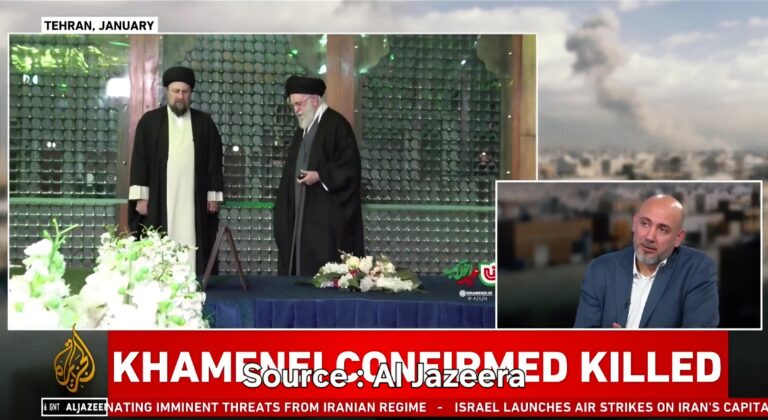
The Iranian regime has responded with a heavy-handed crackdown, including the use of live ammunition, mass arrests, and a complete shutdown of internet and communication services to stifle coordination among protesters. Human rights organizations report dozens of deaths and thousands of arrests since the unrest began, with security forces accused of unlawful force. On January 3, Supreme Leader Ayatollah Ali Khamenei declared that “rioters should be put in their place,” signaling an end to any tolerance, while the Islamic Revolutionary Guards Corps (IRGC) in Lorestan Province announced they would target protesters “without leniency.” Reports also indicate arrests of security personnel who refused orders to fire on crowds.
Analysts suggest the protests represent a significant challenge to the regime, blending economic despair with long-simmering political discontent, and could worsen if international pressures, such as renewed UN sanctions or regional conflicts, persist. Iranian officials have blamed foreign interference and accused protesters of inciting riots, while attempting to placate the public with cash handouts to combat inflation.
As the situation unfolds, airlines have advised passengers to check for updates, with many rerouting or offering refunds. The ongoing turmoil not only disrupts travel but underscores the deepening crisis facing Iran’s economy and governance. Life News Agency will continue to monitor developments in this fast-evolving story.
About The Author