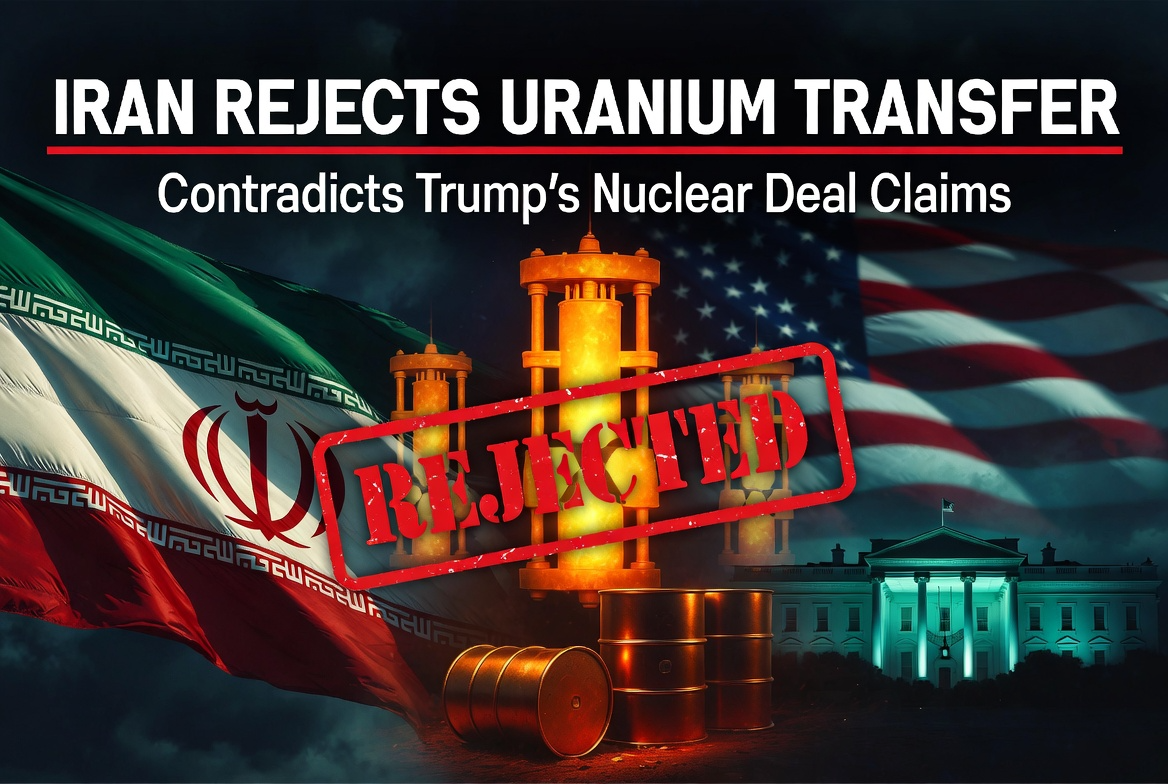
TEHRAN April 17, 2026 — Iranian state media has firmly rejected any proposal to transfer the country’s enriched uranium stockpiles abroad, directly contradicting recent statements by U.S. President Donald Trump regarding a near-complete nuclear agreement.
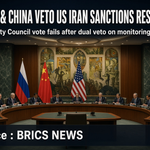
According to a report from BRICS News, Iranian officials described the option of shipping enriched uranium overseas as “unacceptable” and stated that Trump’s claims “do not reflect the reality of the negotiations.”
The development comes amid ongoing high-stakes talks between Washington and Tehran aimed at curbing Iran’s nuclear program. President Trump had claimed on April 16 that Iran had agreed to hand over its entire stockpile of enriched uranium — referred to by him as “nuclear dust” — without compensation as part of a broader peace deal. He described the negotiations as “100% complete” on key elements.
However, Iran’s Foreign Ministry Spokesperson Esmail Baghaei pushed back strongly on Friday, declaring that transferring enriched uranium abroad “is not an option for Iran and is totally rejected.” State broadcaster IRIB and semi-official outlets echoed the denial, emphasizing that no such concession has been discussed or agreed upon.
Analysts note that the enriched uranium stockpile remains a core sticking point in the talks. Iran currently holds approximately 440 kg of uranium enriched to 60% purity, along with advanced centrifuges that could potentially produce weapons-grade material (90% purity) in a matter of weeks. Transferring the material abroad has been a longstanding U.S. demand to extend Iran’s “breakout time” and allow international verification by the IAEA.
The conflicting narratives highlight the wide gaps still remaining between the two sides on issues including the duration of any enrichment suspension, sanctions relief, and the ultimate fate of Iran’s nuclear infrastructure.
No immediate comment was available from the White House on Iran’s latest statement.
This latest twist underscores the fragile and often contradictory nature of U.S.-Iran diplomatic signaling, even as both sides continue indirect negotiations.
Life News Agency will continue to monitor developments in the U.S.-Iran nuclear talks.
About The Author