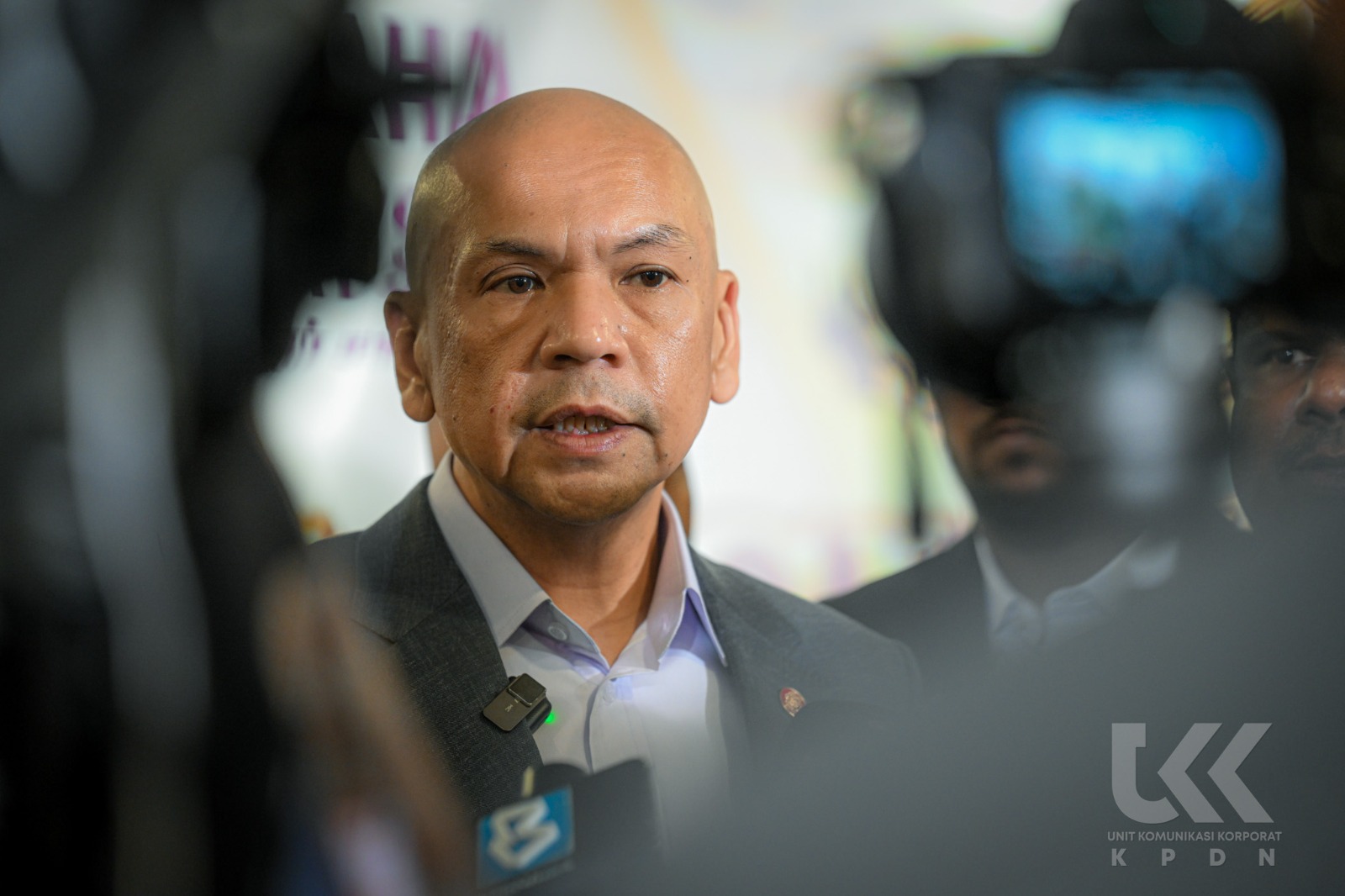
Photo: KPDN
KUALA LUMPUR November 11, 2026 — The Cabinet has approved a recommendation by the Ministry of Domestic Trade and Cost of Living (KPDN) to implement a Cooking Oil Price Control Mechanism (MKHMM) that will allow the ministry to keep ceiling prices for bottled refined palm cooking oil unchanged, the minister, Datuk Armizan Mohd Ali, said in a statement today.
The statement said the Cabinet approved the recommendation at its meeting on 6 November 2026. Under the mechanism, KPDN will continue to maintain ceiling prices of RM6.90 for a 1kg pack, RM13.30 for 2kg, RM19.60 for 3kg and RM30.90 for 5kg, through regulations under the Price Control and Anti-Profiteering Act 2011.
The decision was made after considering the upward trend in world crude palm oil (CPO) prices since June 2025. That trend was expected to continue, the statement said, placing rising cost pressure on the refining industry to comply with the ceiling prices set for bottled cooking oil, to the point that some companies had stopped production.
Taking into account the average world CPO price in October 2026 of RM4,400 a tonne, the price of a 5kg bottle of cooking oil was estimated to rise to RM34.00 if the intervention was not carried out, it said.
“The intervention through this MKHMM is being implemented, among other aims, to curb supply disruptions and movements in the price of bottled cooking oil that would burden the people,” the statement said.
The measure would involve government expenditure estimated at about RM15 million a month, in the form of a special incentive for supplying bottled cooking oil at the ceiling price, the statement said. The step was in line with the government’s commitment to address the impact of global supply price movements, as with the additional subsidies allocated for RON95 petrol and diesel. The government would also continue strategies to deal with the prices of essential goods, including intervention to ensure the stability of prices and services arising from geopolitical conflict in West Asia, it said.
The government is also taking seriously the difficulties faced by some restaurant operators in obtaining workers and their request that the hiring of foreign workers be considered for approval, the statement said. That concern was reflected in an announcement by the prime minister and a Cabinet decision in August 2026 to expedite consideration of urgent needs in the restaurant subsector.
Following that decision, the Ministry of Human Resources is processing applications under a quota of 15,000 foreign workers announced on 5 August 2026, subject to compliance with the conditions and eligibility criteria that have been set, it said.
At the same time, the government remains committed to gradually reducing dependence on foreign workers, in line with the labour market reform agenda under the 13th Malaysia Plan (RMK13), which targets a reduction in the share of foreign workers to 10 per cent of the national workforce by 2030.
As the ministry that regulates the restaurant subsector, KPDN called on all relevant stakeholders to take part in strengthening the strategic framework and approach to achieving that target. Interested parties such as the Muslim Restaurant Operators Association of Malaysia (PRESMA) were urged to come forward with recommendations based on data and comprehensive studies on reducing the hiring of foreign workers.
“Although the government recognises the difficulty of obtaining workers for restaurant operations, serious commitment and action must be taken to reduce ongoing dependence on the hiring of foreign workers,” the statement said. That dependence, it added, would cause distortions in wages and productivity in the country and become a prolonged challenge to efforts to raise the people’s living incomes.
About The Author