
By Dr. Mohd Amirul Fahmi Bin Che Mohd Fadzilah, Assoc. Prof. Dr. Lim Ghee Seong
Dentistry, a well-sought-after professional course, especially among high school leavers. If you ask the new dental students what they expect to learn over the next five years, and the answers will probably revolve around teeth: how to detect dental caries, prepare a cavity, perform root canal treatment, extract a tooth or create the perfect restoration.
That is understandable. Dentistry is a technically demanding profession, and much of dental education is devoted to developing the knowledge and clinical skills required to treat patients safely and effectively. Yet, somewhere between the first day of dental school and graduation, something else happens.
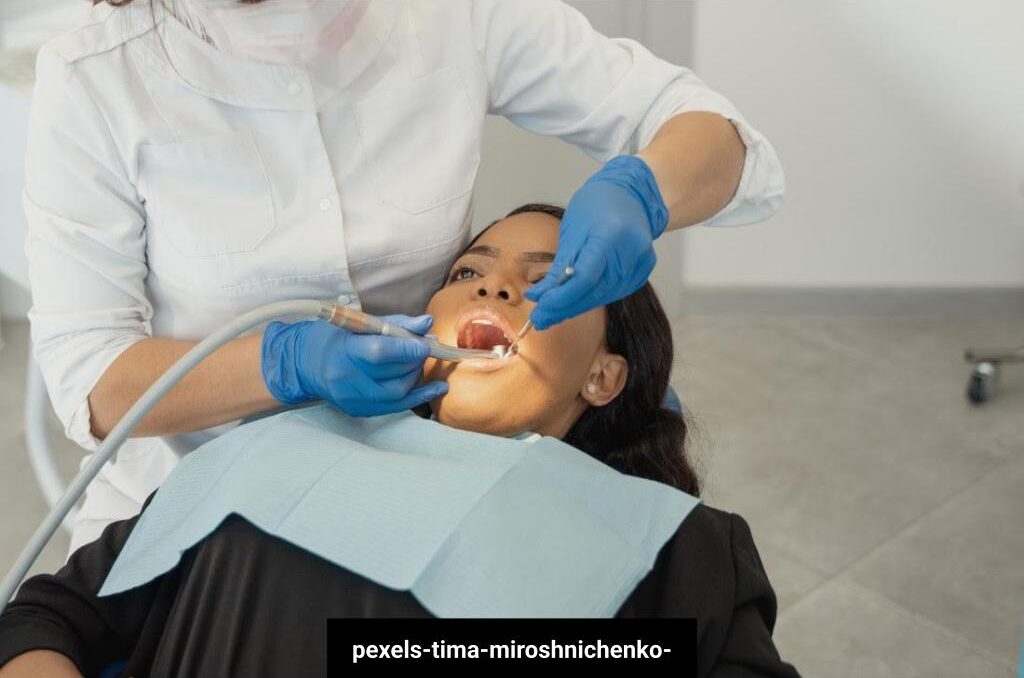
Students may enter dental school learning how to treat teeth, but gradually, they learn how to treat people. The transition becomes particularly apparent when students move from simulation laboratories into clinics. On a mannequin, a mistake can be discussed, corrected and repeated. A plastic tooth does not become anxious, ask questions or worry about whether a procedure will hurt. A real patient does.
At this moment, the perfectly prepared cavity is not the only measure of a successful appointment. Students must learn to explain treatment in language patients understand, recognise anxiety, listen to concerns, and appreciate that what appears to be the ideal treatment clinically may not always be the most appropriate option for the person sitting in front of them. This is where empathy becomes as important as dexterity.
Empathy in dentistry does not simply mean being kind. It means recognising that every mouth belongs to someone with a different story. A patient may have postponed treatment because of fear, financial difficulties, family responsibilities, or previous unpleasant experiences.
Dental school also teaches something students may not expect to find in the curriculum: how to organise themselves. Clinical students soon discover that treating a patient involves far more than performing a procedure. They arrange appointments, review records and x-rays, prepare instruments and materials, communicate with laboratories, complete documentation and follow patients through different stages of treatment while simultaneously attending lectures, completing assignments and preparing for assessments.
Over time, organisation becomes responsibility. Professionalism begins to reveal itself through seemingly small actions: being prepared, arriving on time, keeping accurate records, following up when promised and respecting the time of patients and colleagues. Learning also extends beyond the clinic.
Many dental students become involved in organising conferences, community programmes, scientific activities and student events. These may initially appear extracurricular, yet organising an event can teach lessons that no lecture on leadership can fully reproduce. Students learn to communicate with different personalities, divide responsibilities, manage limited resources and respond when plans unexpectedly change. They discover that leadership is not merely about giving instructions. Sometimes it means listening, negotiating, solving problems quietly and stepping forward when something does not go according to plan.
Dental school is a long journey, and few students complete it entirely on their own. Classmates study together, practise clinical skills with one another, share notes, prepare for examinations and sometimes simply sit together after a difficult day in the clinic. They celebrate each other’s first successful procedures and provide reassurance when things do not go as planned.
Over five years, friendships formed in dental school can gradually become something closer to a second family. These are the people who understand the excitement of reaching a clinical milestone, the disappointment of a difficult case and the pressure of an approaching examination without needing much explanation.
Teamwork also teaches an important professional lesson: success in healthcare is rarely an individual achievement. Dentists work alongside dental surgery assistants, nurses, technicians, specialists, administrative staff and other healthcare professionals. Learning to respect different roles, communicate clearly, offer help and accept help in return is part of becoming an effective clinician. Technical excellence matters enormously in dentistry. But technical ability without empathy, ethics and responsibility is incomplete.
By graduation, students will have spent countless hours studying, practising procedures, treating patients and sitting for examinations. But they will also leave with memories that cannot be captured in an academic transcript the patients who taught them empathy, the teachers who challenged them, the friends who became their second family and the experiences that taught them to work with others.
The most visible evidence of dental education may be the ability to diagnose disease or perform clinical procedures. Yet some of its most important outcomes cannot be seen on a radiograph or measured in millimetres. They are reflected in how a young dentist listens, manages responsibilities, supports colleagues, works within a team, responds to mistakes and makes ethical decisions.
Perhaps, then, a dental degree does more than train the hands to treat teeth. Through patients, teachers, friendships, successes and mistakes, it shapes us into more empathetic, responsible and compassionate professionals and, ultimately, teaches us how to understand, work with and care for people.
The authors are from the Faculty of Dentistry, Universiti Malaya.
About The Author