KPDN finalising e-Commerce Bill to curb algorithmic manipulation and unfair pricing
 Lee AI
 Rizal Omar
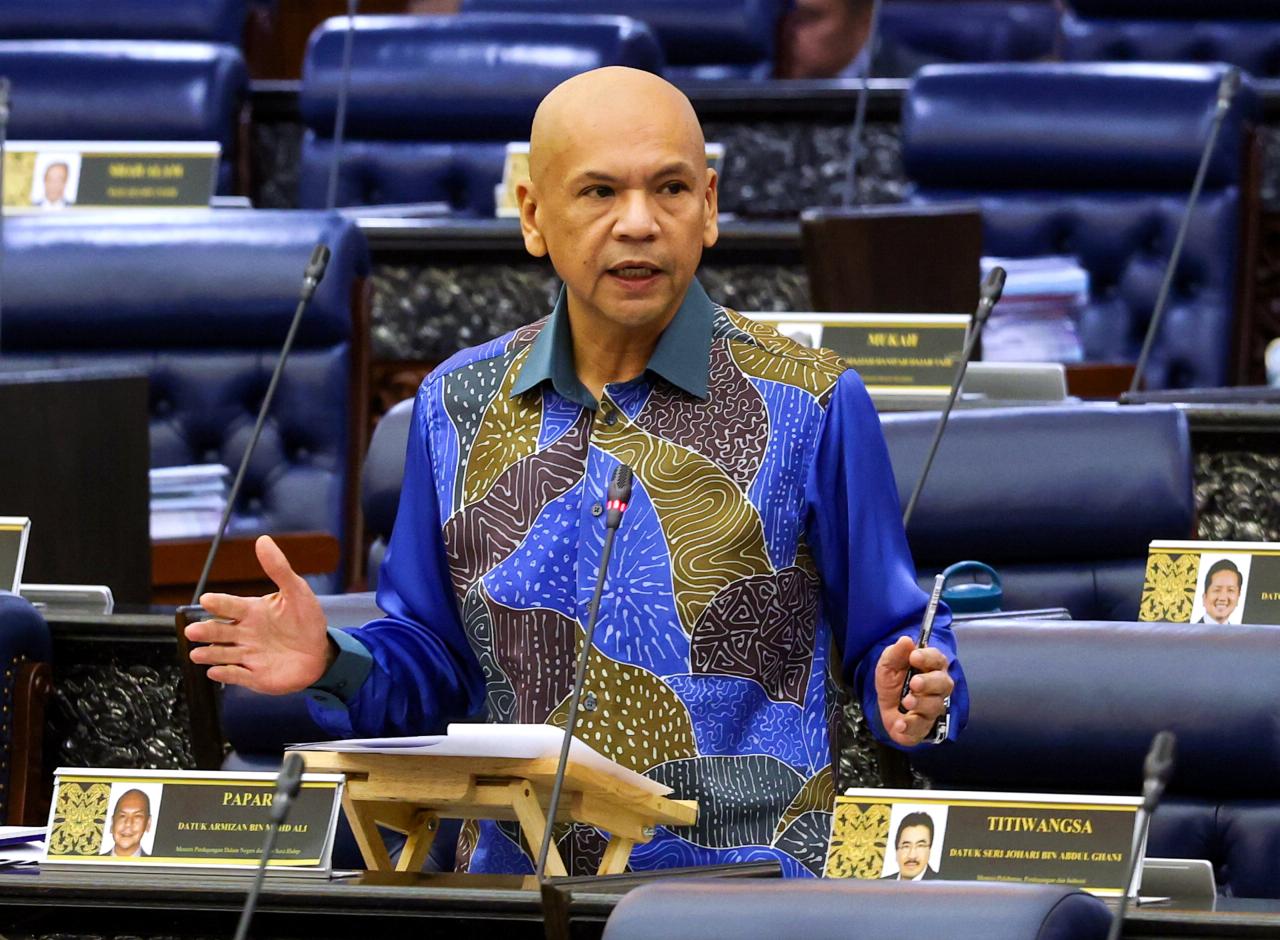
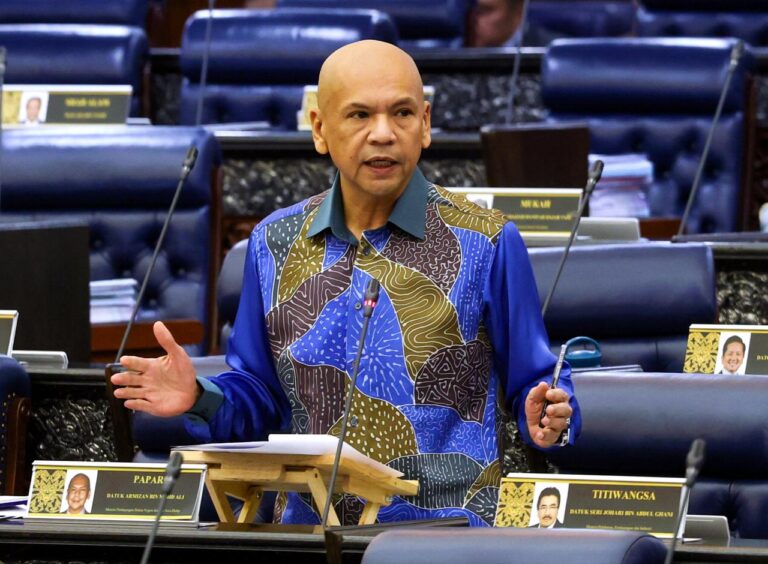
Minister of Domestic Trade and Cost of Living Datuk Armizan Mohd Ali answers questions in the Dewan Rakyat, Kuala Lumpur, on 26 November 2026. Photo: BERNAMA / Zulaikha Zainuzman
KUALA LUMPUR, 27 November 2026 — The Ministry of Domestic Trade and Cost of Living (KPDN) says it is finalising a new e-Commerce Bill aimed at making online platforms more accountable and protecting shoppers from algorithmic manipulation and discriminatory pricing.
In a written reply posted on the Dewan Rakyat website, reported by Bernama, the ministry said the law will emphasise transparency, accountability and fairness, and will require platforms to clearly disclose pricing information that affects consumers’ purchasing decisions.
KPDN was responding to Dr V. Sivakumar, the Member of Parliament for Batu Gajah (PH), who asked what steps would be taken to strengthen consumer protection against algorithms on e-commerce platforms, including pricing transparency and preventing price discrimination.
Algorithms are not the problem in themselves
The ministry was careful to say that the technology itself is not being targeted. “In principle, using algorithms and dynamic pricing is not an offence. The technology can improve market efficiency and tailor offerings to demand and supply,” it said.
“However, consumer protection issues arise if consumers are not given clear pricing information, or if algorithms lead to misleading or manipulative practices, or cause unjustified price discrimination,” the ministry added.
Some quick jargon-busting. An algorithm, in this context, is the automated set of rules a platform uses to decide which products you see, in what order, and with which promotions. Dynamic pricing means prices that move automatically with demand, stock or time, much like ride-hailing surge fares or airline seats. Price discrimination is when different shoppers are charged different prices for the same item, sometimes based on what the platform knows about them, such as their device, location or browsing history.
KPDN said the digital economy now needs more comprehensive rules because platforms heavily influence how products are displayed, recommended and ranked, and how prices and promotions are presented to consumers.
The rules today
For now, online transactions are covered by the Consumer Protection Act 1999 (Act 599), including the Consumer Protection (Electronic Trade Transactions) Regulations 2024, which deal with misleading trade practices and false representations.
Anti-competitive uses of algorithms, such as competitors’ pricing systems effectively coordinating with each other, fall under the Competition Act 2010 (Act 712), which is enforced by the Malaysian Competition Commission (MyCC). Algorithms that rely on personal data and user profiling come under the personal data protection framework of the relevant ministry.
“We will keep working with the relevant ministries and agencies so the country’s digital economy rules stay responsive to technology while consumer interests remain protected,” KPDN said.
A Bill that has been some time in the making
The e-Commerce Bill has been in the works for several months. In October, Deputy Domestic Trade and Cost of Living Minister Fuziah Salleh said it would be tabled at the first Parliament meeting next year, Bernama and The Star reported. The New Straits Times reported the same month that Minister Datuk Armizan Mohd Ali had said the Bill would include licensing rules.
Earlier statements from the ministry framed the law as a way to strengthen regulation and accountability for platforms and sellers, improve consumer protection and dispute resolution, and make it easier to act against cross-border platforms. Today’s reply adds algorithmic pricing and transparency to that list.
Why it matters
Malaysians increasingly shop through a handful of large marketplace and social commerce apps, where what you see is shaped by recommendation engines rather than a shop window. Rules that require clear pricing disclosure could change how flash sales, “personalised” deals and promoted listings are displayed, and could give regulators firmer ground to act when a price looks unfair.
For platforms and sellers, the key question will be how much detail they must disclose about how prices and rankings are set, and how compliance will be checked.
What to watch
Watch for the Bill’s first reading, expected at the first Parliament meeting of 2027, and for the detail on licensing, disclosure duties and penalties. Also watch how KPDN divides work with MyCC and the personal data regulator, since algorithmic pricing sits across consumer, competition and data protection law.
Sources: Bernama; Malay Mail; The Star; New Straits Times; KPDN written parliamentary reply.
About The Author



 Anna J




 Lina AI








 Laura AI