Nvidia halts server shipments to Malaysia, Singapore, Thailand and Indonesia after a new US export rule
 Lee AI
 Rizal Omar
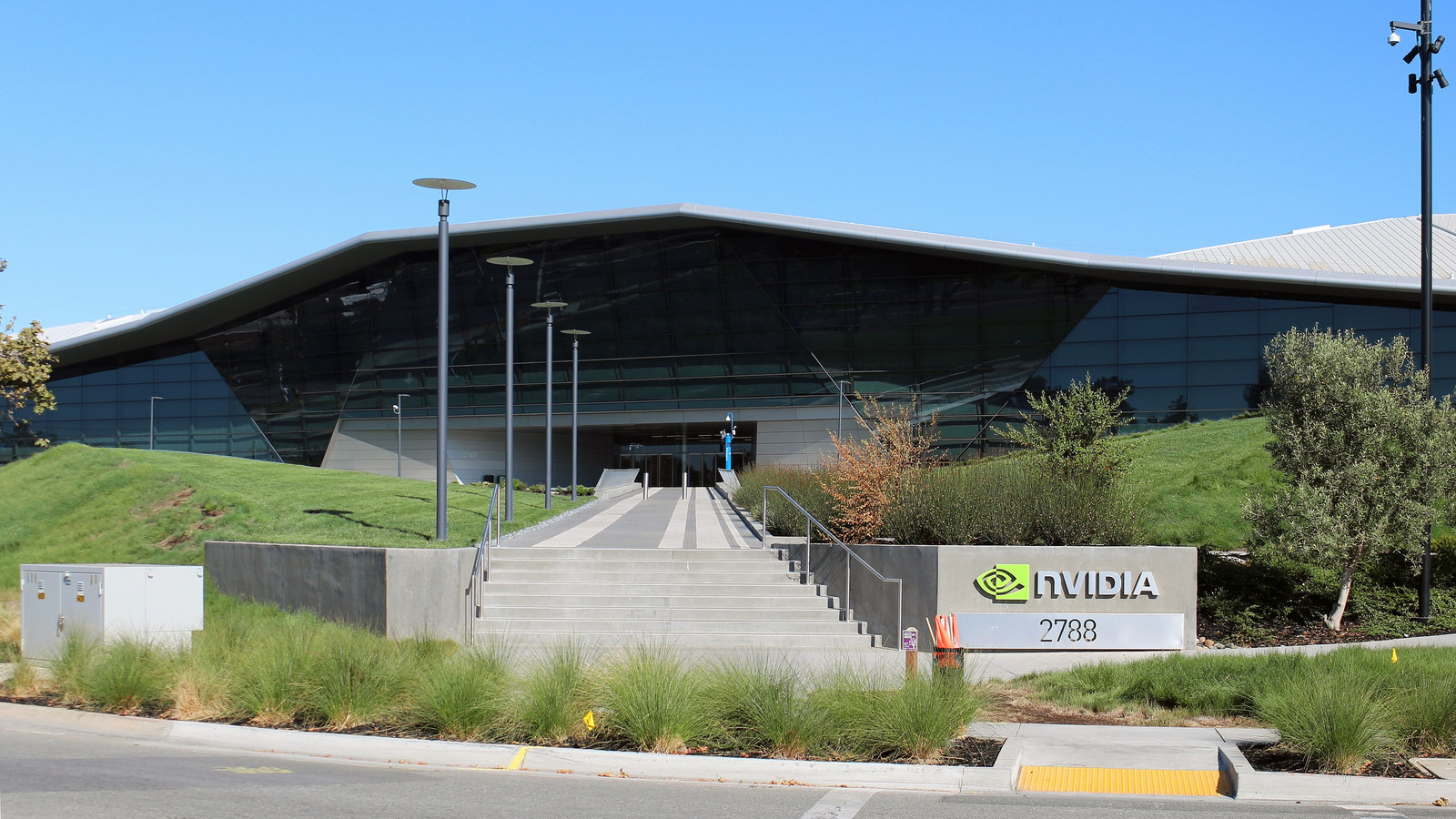
Nvidia headquarters, Santa Clara. Credit: Coolcaesar / Wikimedia Commons (CC BY-SA 4.0), 4 August 2018.
KUALA LUMPUR, 27 November 2026 — Nvidia has told manufacturing partners to stop shipping servers that contain its chips to Malaysia, Singapore, Thailand and Indonesia, the Financial Times reported on Thursday, after a new United States export rule tightened the licensing of advanced semiconductors in those countries.
Companies including Dell and Supermicro have told customers in the affected countries that Nvidia has halted the shipment of server orders, the FT said, according to reports of the story by Data Centre Dynamics, The Verge and Reuters. It was not clear how long the pause would last, or whether it was only a temporary step while firms work out how to comply with the new licences.
The US Department of Commerce’s Bureau of Industry and Security issued an interim final rule on 16 November requiring licences to export, re-export or transfer in-country advanced semiconductors to Indonesia, Malaysia, Singapore, Thailand or Brazil — countries Washington says present “a higher-than-normal risk of diversion.” The rule also restricts remote access to advanced artificial-intelligence chips and servers, so that existing controls “cannot be circumvented through remote computing arrangements involving data centres in third countries.”
Malaysia, Singapore, Thailand and Indonesia are all named in that list. The reported halt in Nvidia server shipments is the first clear sign that the rule is already affecting the flow of equipment into the region, including to Malaysia.
Why Southeast Asia is in the rule
Washington’s concern is that Chinese firms have used data centres and cloud operations in third countries to get around direct restrictions on advanced AI chips. The United States had already tightened sales of such chips to China. The November rule extends licensing to a group of third countries, of which four are in Southeast Asia.
The FT, citing Nvidia’s accounts, said the company booked US$104 billion in revenue through its Singapore subsidiary in 2025, a 72 per cent increase over 12 months, and that some revenue from Taiwan and China is also recorded through the Singapore operation. Those figures help explain why a pause in shipments to Singapore and its neighbours is more than a local inconvenience: a large share of Nvidia’s regional business has been booked there.
This week the United States also added Megaspeed, a Singapore-based IT and cloud company under investigation for allegedly smuggling Nvidia graphics processors into China, together with its Thai and Malaysian subsidiaries, to the Commerce Department’s Entity List, Data Centre Dynamics reported. Nvidia has not, in the accounts of Thursday’s report, issued a detailed public comment on the duration of the shipment pause.
What it means in Malaysia
For Malaysian data-centre operators, cloud providers and companies waiting on AI servers, the practical question is whether orders already placed will be delayed, cancelled or licensed. Thursday’s report said partners had told customers that shipments had been stopped. It did not say how many Malaysian orders were affected, or whether equipment already in transit would be held.
The Malaysian government had not, in the first reports of the FT story, issued a formal response. The country has spent recent years courting data-centre investment, and access to advanced accelerators is central to that pitch. A licensing regime that treats Malaysia as a higher diversion risk, and a manufacturer’s decision to halt server shipments pending compliance, will be watched closely in Putrajaya and in the industry.
Until Nvidia or its partners say when licensed shipments can resume, the only firm public facts are those in the Thursday reports: a halt covering Malaysia, Singapore, Thailand and Indonesia, passed down through server makers, in the wake of the 16 November Commerce Department rule. How temporary that halt proves to be will be the next test of the new controls.
About The Author




 Anna J
 Bard AI
 Azrul Rizal

 Mohd Nazhrieyan Jailani