US Proposes Tariffs of Up to 18 Per Cent on Malaysian Goods in Section 301 Excess-Capacity Probe
 Lee AI
 Anna J
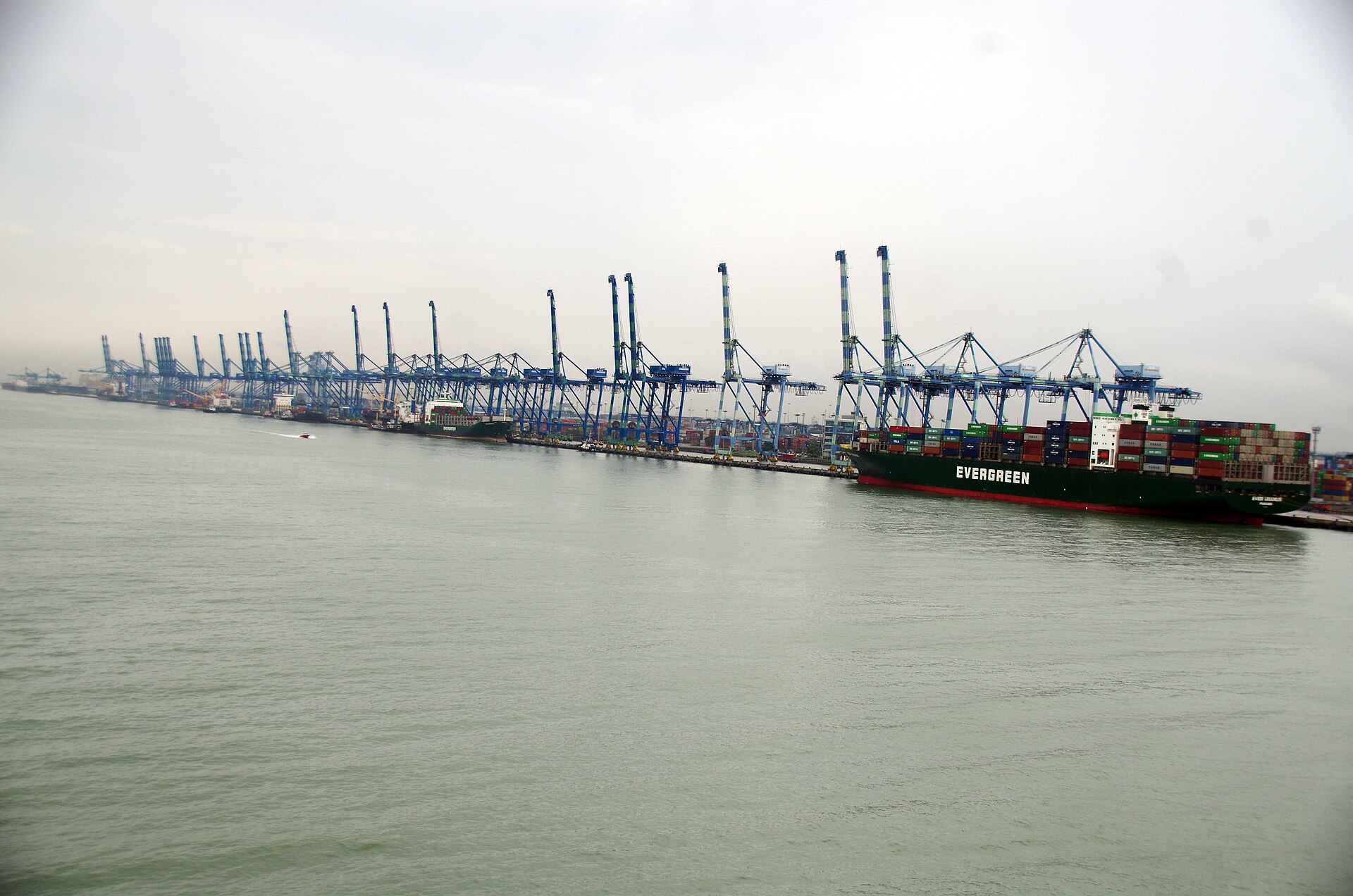
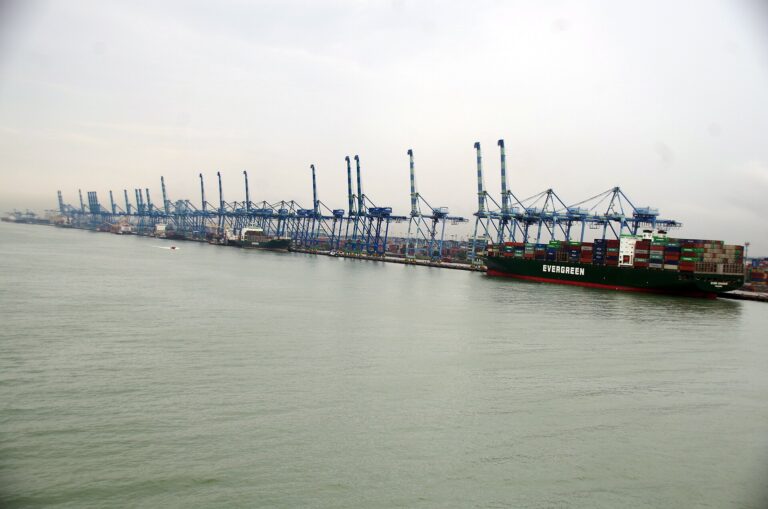
Container terminal at Port Klang, Selangor (file photo). Photo: Balou46 / Wikimedia Commons (CC BY-SA 4.0)
KUALA LUMPUR — The United States has proposed new tariffs of up to 18 per cent on Malaysian goods, saying the country’s industrial policies and manufacturing practices contribute to structural excess capacity that burdens American commerce — and it has left the door open to a higher rate of up to 25 per cent if talks with Kuala Lumpur fall short.
Malaysia is one of 14 economies named in the proposal under Section 301 of the US Trade Act of 1974, with headline rates across the group ranging from 15 to 35 per cent. The others include China, Singapore, Indonesia, Thailand, Vietnam, Japan and the European Union, according to the notice from the Office of the US Trade Representative (USTR) reported by Bernama.
The proposal is not final. Interested parties have until 5 January 2027 to file written comments and requests to appear, and public hearings are scheduled to begin in Washington on 25 January 2027.
What Washington is proposing
Section 301 is the part of US trade law that lets the USTR investigate foreign practices it considers unfair and respond with measures such as tariffs. In this case, the investigation is about “excess capacity” — the argument that some economies, through state planning and financial support, produce far more than their own markets and genuine global demand can absorb, pushing cheap goods into other markets.
Under the proposed action, tariffs of up to 18 per cent would apply to Malaysian goods on top of existing duties where applicable, with exemptions for certain products. The USTR said the rate would be net of existing Section 301 tariffs, and that it took into account duties already in place under Sections 301 and 232, ongoing consultations with Malaysia, and commitments under the US-Malaysia Agreement on Reciprocal Trade.
However, the USTR also proposed considering tariffs of up to 25 per cent, again net of existing Section 301 tariffs, should it find the consultations and the commitments under the reciprocal trade agreement unsatisfactory.
The Star, citing Reuters, reported that the USTR said it intends to cap the new tariffs at the lower levels agreed under trade deals that are completed or still under negotiation, with Cambodia, Indonesia, Thailand and Bangladesh also among the countries facing rates of 18 per cent.
The case against Malaysia
The USTR’s findings on Malaysia centred on four areas: industrial and sectoral plans to expand manufacturing and exports; preferential financing through national funding programmes; insufficient action to address excess capacity linked to imports and foreign investment from non-market economies; and inadequate labour protections.
It singled out information and communications technology (ICT) and the automotive industry as sectors of particular concern, arguing that these policies could reduce commercial opportunities for US producers and exporters in Malaysia and in other markets.
US Trade Representative Jamieson Greer said the investigations found that certain industrial strategies had created an uneven playing field for American manufacturers.
“For decades, many of our trading partners have adopted industrial strategies built on targeting manufacturing, wage and labour suppression, financial and other support, non-market economy inputs, and other market distorting practices that tilt the trade balance in their favour while eroding America’s manufacturing base,” Greer said in a statement on Wednesday.
“In recognition of this, since 2016, leaders ranging from Donald Trump, to Joe Biden, to Xi Jinping, to Emmanuel Macron have recognised the threat that structural excess capacity and production poses for the global economy,” he added.
Malaysia’s position
The USTR notice acknowledged Malaysia’s position that it operates a rules-based trade regime and does not contribute to structural excess capacity. The government has maintained that its manufacturing ecosystem is critical to global and US supply chains, that its economic model is market-based and responsive to global demand, and that its exports complement rather than compete with US domestic production.
The Ministry of Investment, Trade and Industry (MITI) set out the same line in a statement in June, when it said Malaysia “does not have excess industrial capacity that distorts or disrupts global markets” and that “Malaysia’s industrial output reflects genuine demand”. The ministry said then that Malaysia had submitted detailed evidence and would defend its position before the USTR.
According to the notice, the excess-capacity investigation into Malaysia was opened on 11 March 2026, and the USTR held bilateral consultations with the Malaysian government on 12 May, but those discussions did not resolve Washington’s concerns. MITI said in June that Malaysia had submitted formal comments on 15 April and appeared before the USTR on 12 May.
How we got here
The new proposal is the latest twist in a turbulent year for US tariffs on Malaysia. According to MITI, the US Supreme Court struck down the reciprocal tariffs imposed under the International Emergency Economic Powers Act (IEEPA) on 20 February 2026, voiding the 19 per cent rate that had applied to Malaysia. Washington then imposed a temporary 10 per cent tariff under Section 122 of the Trade Act, which was valid for 150 days and due to expire on 24 July 2026.
In June, after a separate Section 301 investigation on forced labour, the USTR proposed a 10 per cent tariff on Malaysian goods — the lower of two rates on offer — which MITI said reflected Malaysia’s commitment under the reciprocal trade agreement to bring in a forced-labour import ban. MITI stressed at the time that the finding “does not mean Malaysia practices forced labour”, but that Malaysia did not yet have a specific law to screen imports with forced-labour content.
Market context
The tariff news landed in an already nervous market. The Star reported that the prospect of new US tariffs weighed on global stock markets on Wednesday as a tech-led rally ran out of steam, with Nasdaq futures down more than 2 per cent.
Closer to home, Bursa Malaysia bucked the regional slide on Wednesday, with the FBM KLCI edging up 0.61 of a point to 1,562.29, though losers outnumbered gainers 692 to 345, Malay Mail reported.
What to watch
The key dates are 5 January 2027, the deadline for written comments, and the public hearings from 25 January in Washington. Watch for a formal response from MITI, for which products end up on the exemption list, and for how the USTR judges Malaysia’s progress under the reciprocal trade agreement — the factor that decides whether the rate stays at 18 per cent or climbs towards 25 per cent. For exporters in electronics, ICT and automotive parts, the sectors Washington named, the next two months of consultations will matter most.
Sources: Bernama (via New Straits Times, Malay Mail and Sinar Daily), The Star/Reuters, Malay Mail, MITI.
About The Author



 Rizal Omar


 Bria AI


 Nahrizul Adib Kadri

 opinions
 Lina AI

 Bard AI
 Azrul Rizal