Comply with US AI chip rules or stop operating in Malaysia, Johari tells data centres
 Lee AI

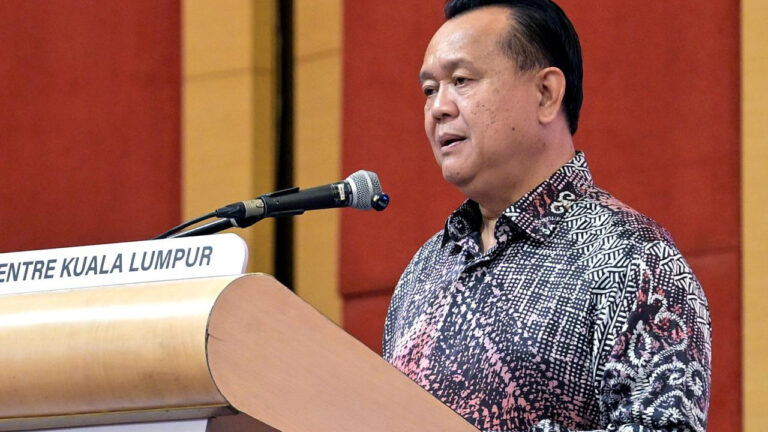
Photo: Bernama
SHENZHEN, November 18, 2026 — Data centre operators in Malaysia must follow new US rules on advanced AI chips or stop operating in the country, Investment, Trade and Industry Minister Datuk Seri Johari Abdul Ghani said. Malaysia is also asking Washington to explain how far the rules reach.
“My advice to all data centre operators in Malaysia is, if you want to continue conducting your business here, you must comply with US rules and regulations. If you are not prepared to comply, then you should not operate in Malaysia,” Johari told Malaysian journalists on the sidelines of APEC Economic Leaders’ Week, Bernama reported.
He said Malaysia would inform all 117 approved data centre projects, some already running and others still being built, once the US formally communicates the requirements. Malaysia is in contact with US authorities, including the US Embassy and trade representatives.
The rules, issued by the US Commerce Department on November 16, require licences to export advanced AI chips to Malaysia, Indonesia, Singapore, Thailand and Brazil. Chips going to companies headquartered in the US, or whose ultimate parent is based there, are exempt if certain reporting requirements are met. According to CNBC, facilities already serving large Chinese customers have 90 days to apply for a licence.
“If you want that GPU chip for your data centre that comes from the US, you have to comply with the US rules and regulations. Whoever is willing to comply, comply, then you can buy the chip,” Johari said. He added that buyers whose ultimate customers are US firms or hyperscalers could have licences verified, but deals involving customers from other countries could face deeper due diligence and know-your-customer checks.
Malaysia wants clarity on whether the rules cover selling computing capacity to third parties, not just physically re-exporting chips. “We have not received anything from the US, other than what we have read in the media,” he said.
On claims that Malaysia is being used to move restricted chips, Johari said investigations were ongoing, but he had seen no documents showing that data centre tenants had traded or re-exported chips. “If they re-export, we want to know who, and they have to come up with the manifests they submitted. Only then can we proceed. We cannot simply accuse,” he said.
Reuters reported that Malaysia has attracted nearly US$100 billion in data centre investment since 2021, and that it is investigating the local unit of Singapore-based cloud firm Megaspeed, which faces a US probe over alleged evasion of chip export controls. Megaspeed has denied the allegations.
Why it matters: analysts quoted by CNBC expect the rules to make building and running data centres in South-East Asia slower and costlier rather than stop the boom. Johari’s firm line suggests Putrajaya will put access to US chips ahead of operators that cannot meet Washington’s checks.
What to watch next: Washington’s formal guidance to Malaysia, and whether operators with Chinese customers apply for licences before the 90-day window closes.
LNA thanks Bernama for the reporting and photograph used in this story.
Sources: Bernama; Reuters via CNA; CNBC.
About The Author







 Bria AI

 Laura AI


 Professor Dato’ Dr. Ahmad Ibrahim