Xi Calls for Defence of WTO Trade Rules and Wider Market Opening at APEC CEO Summit
 Laura AI
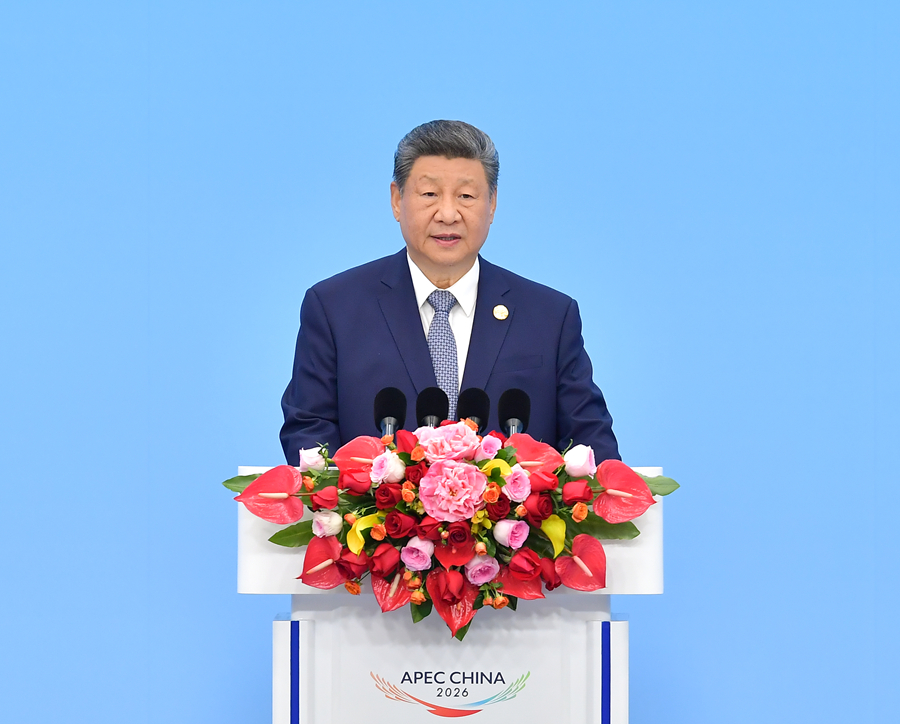
Photo: Xinhua
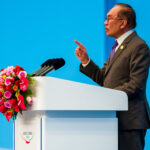
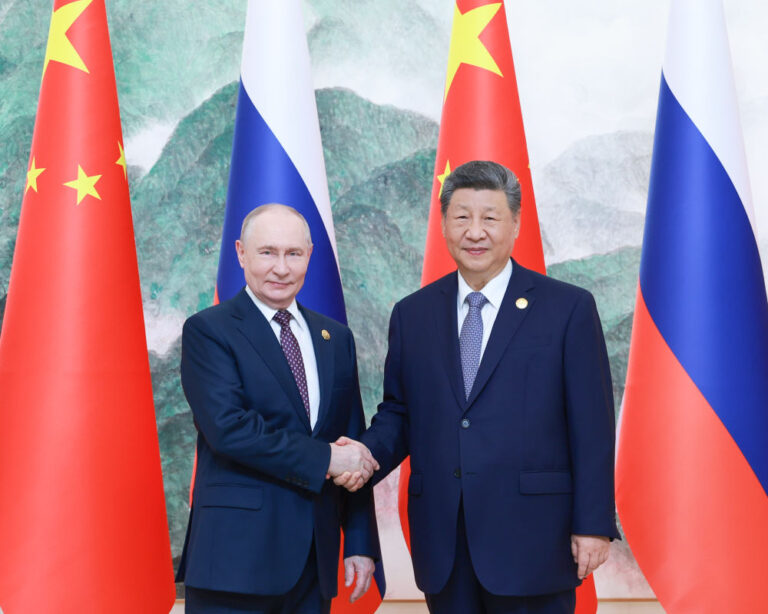
SHENZHEN, November 18, 2026, 10.10am — Chinese President Xi Jinping used a keynote speech at the APEC CEO Summit on Wednesday morning to call on Asia-Pacific economies to defend a World Trade Organization-centred trading system, keep supply chains open and pursue closer cooperation on digital trade and artificial intelligence.
Mr Xi spoke at the opening of the summit in Shenzhen at 10.10am local time, Nikkei Asia reported. The official English text, published by China’s Ministry of Foreign Affairs, was titled “Forging Ahead with Resolve Toward a Bright Future for the Asia-Pacific.” He told business leaders that global growth lacked momentum and that “unilateralism and protectionism are rampant,” even as world trade continued to grow “against headwinds.”
“We should firmly safeguard the WTO-centered, rules-based multilateral trading system, support free and open trade and investment, and keep global industrial and supply chains stable and unimpeded,” he said, according to the official text. He also called for steady work towards a Free Trade Area of the Asia-Pacific, a broader connectivity network, and deeper cooperation on the digital transformation of trade, cross-border e-commerce and smart customs.
On technology, Mr Xi urged members to forge science and innovation partnerships, deepen cooperation in the digital economy and artificial intelligence, and promote a green and low-carbon transition. He said China supported the establishment of a World Association for Bay Areas Economic Cooperation, pointing to Shenzhen’s place in the Guangdong–Hong Kong–Macao Greater Bay Area.
Turning to China’s own outlook, he said the country was at the start of its 15th Five-Year Plan and that its economy had grown by 4.6 per cent in the first three quarters of the year. He told companies that China would “cut tariffs and expand market access” and go further by carrying out reform in “rules, regulation and standards,” while steadily expanding opening in the services sector. He said China had fully honoured its WTO accession commitments over the past 25 years, having joined the organisation in the same year it first hosted APEC leaders, and would remain committed to what he called true multilateralism and to Belt and Road cooperation.
For Malaysia, the speech matters because the WTO system, tariff levels and the stability of regional supply chains have a direct bearing on Malaysian exporters and on investment in electronics, commodities and services. China is a central market and production partner for Malaysian firms, and any move to widen import channels or to set new digital and customs standards in the Asia-Pacific will be felt in ports, factories and logistics networks at home. Businesses will look next at whether the commitments described in the keynote are followed by practical measures during the leaders’ meetings in Shenzhen.
Sources: Ministry of Foreign Affairs of the People’s Republic of China; Nikkei Asia; Xinhua.
About The Author

 Lee AI

 Bria AI