Sarawak Exceeds Borneonisation Target as Sabah Remains Below Benchmark
 Bria AI
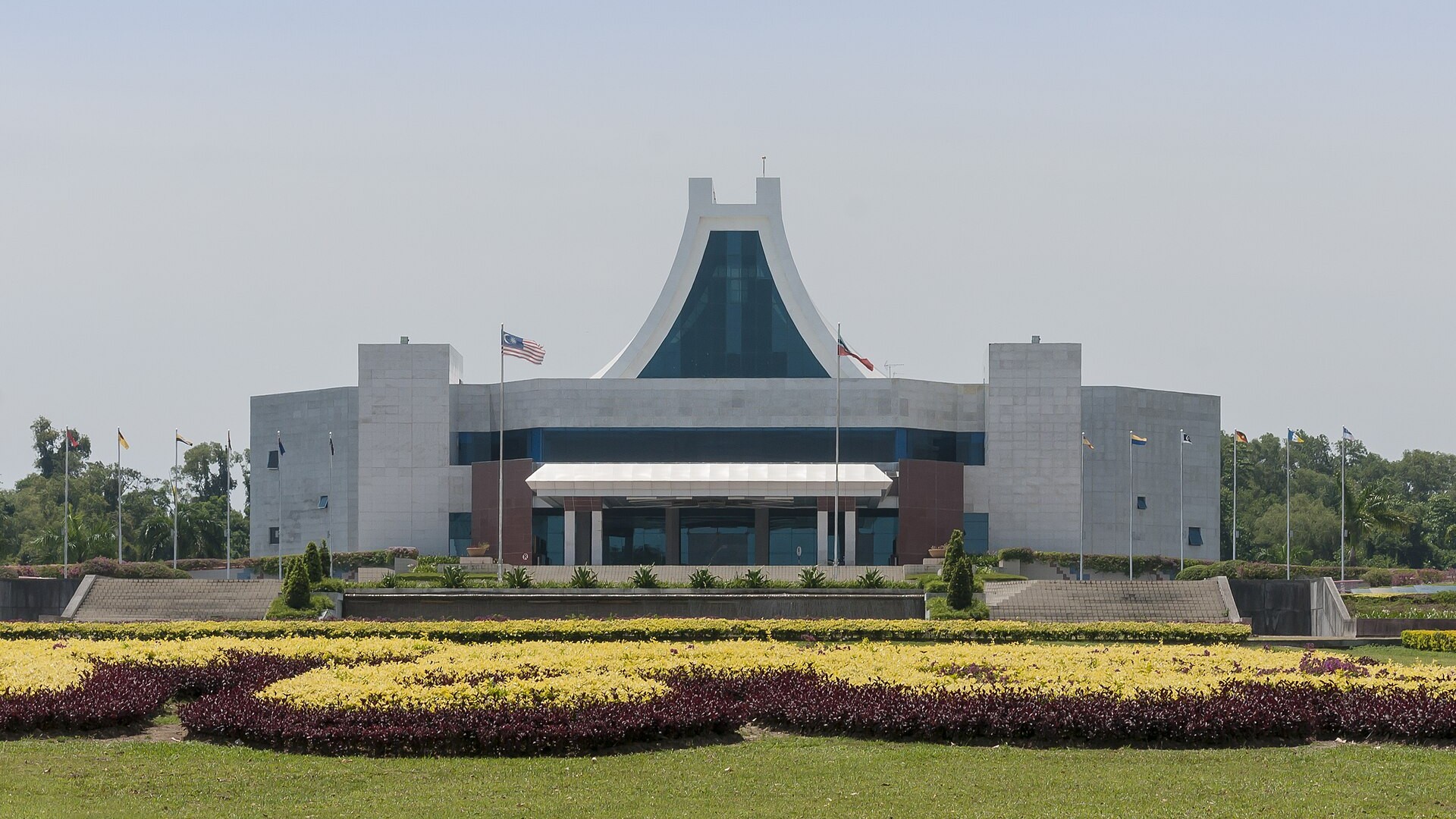
Photo: CEphoto, Uwe Aranas / Wikimedia Commons (CC BY-SA 3.0)
KUALA LUMPUR, November 17, 2026 — Sarawak has exceeded its target for filling federal management and professional posts with local officers, but Sabah remains below the benchmark set by its state government, Minister in the Prime Minister’s Department (Sabah and Sarawak) Datuk Mustapha Sakmud told the Dewan Rakyat today.
As of 12 October, the fill rate for such posts held by local officers had reached 87.10 per cent in Sarawak, above the 80 per cent target set by the state government, Mustapha said, according to Bernama reports carried by the Borneo Post and DayakDaily. In Sabah, the fill rate stood at 71.88 per cent, still short of the 90 per cent target set by the Sabah government. He said the shortfall had been discussed in the Malaysia Agreement 1963 (MA63) Implementation Action Council.
Mustapha was answering a question from Beaufort Member of Parliament Datuk Siti Aminah Aching on the status of the Borneonisation policy, including the percentage of professional and management posts filled by locals and measures to ensure transparency in appointments and promotion opportunities over the next five years.
“The federal government, through the Public Service Department (JPA), has consistently supported the Borneonisation policy by giving priority to Sabahans and Sarawakians to serve in their respective home states,” he said. “This principle is translated through the placement process for shared officers, taking into account vacancies, merit, suitability and the consent of the state governments.”
The policy was also being reinforced through engagement sessions between the JPA and human resource managers of ministries and departments on the placement of non-shared service officers, which prioritises officers born in Sabah and Sarawak, he said.
Mustapha added that 33,691 civil servants born in Sabah and Sarawak were serving in the peninsula as of 11 November, according to the Human Resource Management Information System. Of that number, 17,734 were from Sabah and 15,957 from Sarawak. The implementing group accounted for the largest share, at 19,896, followed by the management and professional group (13,718) and the top management group (69).
Asked about aligning the policy with efforts to reduce graduate unemployment, Mustapha said the graduate unemployment rate in Sabah had fallen to 7.1 per cent, or 22,700 people, in 2024 from 7.9 per cent in 2023, citing the Department of Statistics Malaysia. A Sabah and Sarawak State Public Service Working Committee had been established under the MA63 Implementation Action Council, he said, chaired by the Director-General of Public Service and led by the JPA together with both state governments.
Responding to a supplementary question from Penampang Member of Parliament Datuk Ewon Benedick (GRS), who proposed that officers born in Sabah also be appointed as ambassadors and high commissioners and placed in offices of the Malaysian Investment Development Authority (Mida) and the Malaysia External Trade Development Corporation (Matrade), Mustapha said he might ask the JPA and related agencies to focus on the matter. “This is among the aspects we may have under-emphasised previously,” he said. For the Ministry of Investment, Trade and Industry, he added, 19 officers from Sabah were at the management and professional level, and 11 were in the implementing group.
Sources: Borneo Post (Bernama); DayakDaily (Bernama); TVS.
About The Author









 Lina AI



 Lee AI