PAC Flags MediAsas Pilot After Zero Hospital Claims Recorded
 Bria AI
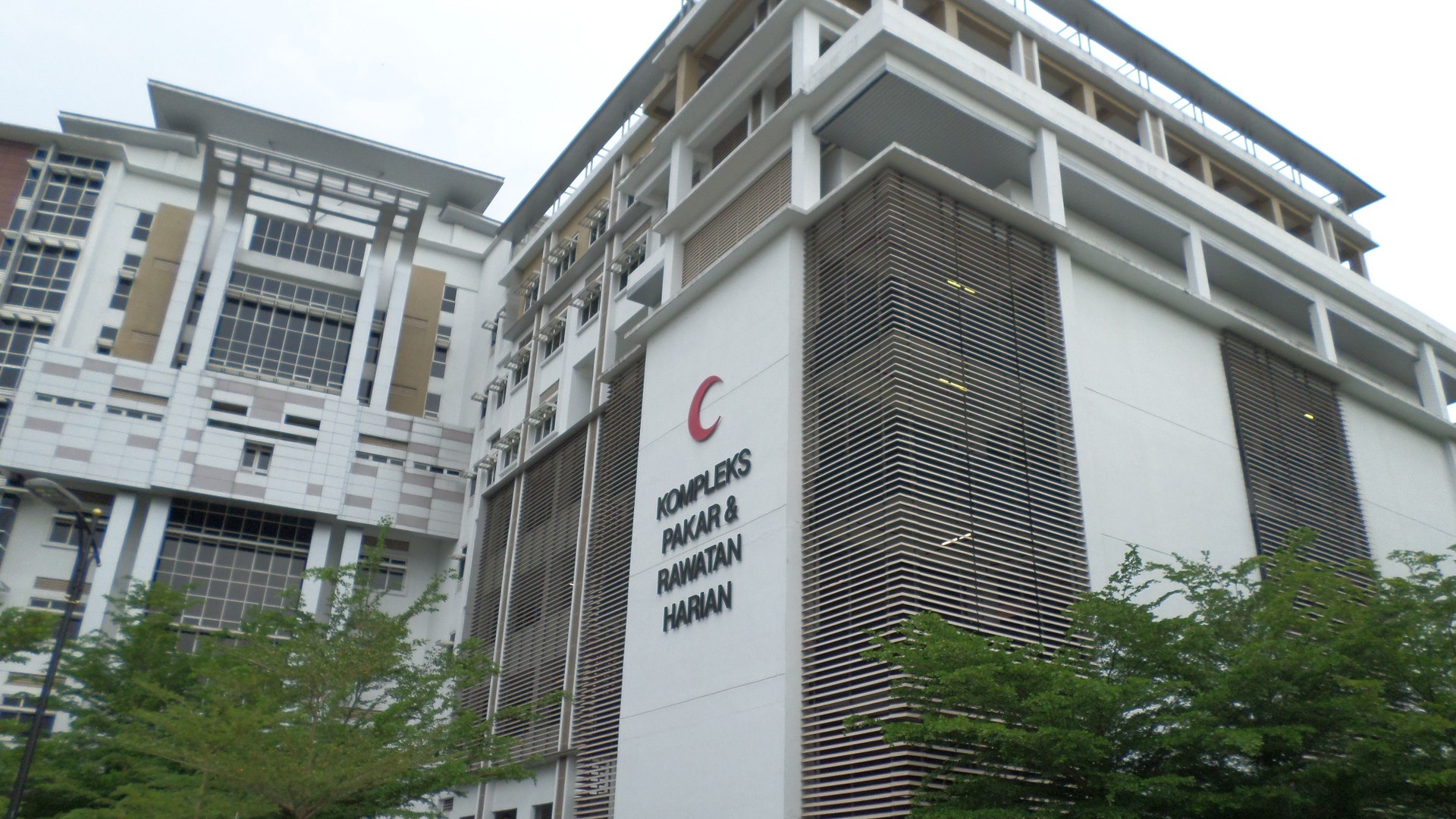
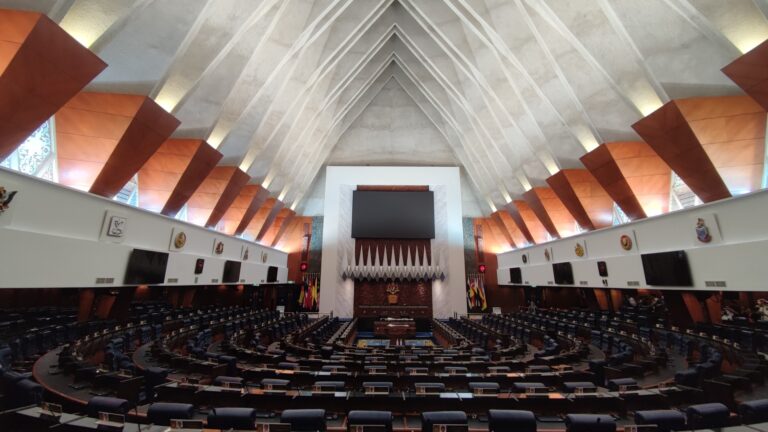
Photo: Chongkian / Wikimedia Commons (CC BY-SA 4.0)
KUALA LUMPUR, November 17, 2026 — The Public Accounts Committee (PAC) has raised concerns over the MADANI Government’s MediAsas medical insurance and takaful pilot, saying the Klang Valley trial has yet to record any hospital admissions or claims, leaving the full claims process untested as a nationwide rollout approaches.
PAC chairman Datuk Mas Ermieyati Samsudin told a press conference in Parliament today that 1,600 people had expressed interest in the pilot, a sample the committee considered too small and unrepresentative. The Star and The Malaysian Reserve reported that this was less than 0.1 per cent of the 9.9 million people who rely on private healthcare services.
“More concerningly, the pilot programme has yet to record any actual cases of patients being admitted to hospital or making claims (zero claims recorded). This means the entire operational chain has yet to be tested in practice,” she said, according to The Star.
The committee also questioned the composition of the sample, which it said included employees of government-linked companies and insurance firms who already had employer-provided medical coverage. Mas Ermieyati said MediAsas should serve as a broader safety net for informal sector workers, farmers and fishermen, rather than focusing solely on the middle-income (M40) group. She called for greater transparency over deductibles, contribution limits and co-payments, warning that the plan could fall into the same cost-inflation trap affecting commercial insurance if those arrangements were not carefully set.
The PAC tabled a follow-up after proceedings with the Finance Ministry, the Health Ministry and Bank Negara Malaysia on rising health insurance premiums and private hospital charges. The report examined responses to 17 recommendations the committee tabled on 24 June 2026, The Malaysian Reserve and Malaysiakini reported.
Malaysiakini reported that Bank Negara Malaysia said the pilot was designed to test the process in a controlled setting, involving six insurers and takaful operators and 10 Klang Valley hospitals. Last week, Deputy Finance Minister Liew Chin Tong told the Dewan Rakyat that initial feedback had been encouraging and that the pilot involved a range of groups, including small and medium enterprises and gig workers. He said the plan would be rolled out nationwide by the end of January 2027, a timeline earlier reported by Bernama and The Sun. Prime Minister Datuk Seri Anwar Ibrahim confirmed the rollout when tabling Budget 2027 last month and said eligible Employees Provident Fund members could use their Sejahtera Account savings to pay premiums, Malaysiakini reported. He did not announce the premium rates.
The PAC acknowledged progress under the government’s RESET healthcare recovery agenda, including the MediAsas rollout and the Drug Price Transparency Initiative, but warned that gaps in implementation risked undermining consumer protection. Mas Ermieyati expressed concern that amendments to the Private Healthcare Facilities and Services Act 1998 had been postponed until the first quarter of 2028, saying the lengthy transition could leave consumers exposed to fee manipulation and excessive mark-ups on non-professional hospital charges.
The committee also deemed Bank Negara’s interim measure, which shields 80 per cent of policyholders from annual premium increases exceeding 10 per cent, to be inadequate, and urged that the protection be extended to all policyholders. It called for tighter monitoring of insurance agents and hospital counters so that consumers are clearly informed of their rights and alternative coverage options.
Mas Ermieyati urged the government to keep to its implementation timelines. She said the PAC would continue to monitor the RESET initiatives and could recall relevant officials if delays or failures persisted. MediAsas, introduced under the RESET strategy, is intended to widen access to affordable medical and health insurance and takaful coverage.
Sources: The Star; Malaysiakini; The Malaysian Reserve; Bernama (earlier report on the January 2027 rollout).
About The Author




 Lina AI



 opinions

 Bard AI