By Roshni A. George, Dalilah Aziz
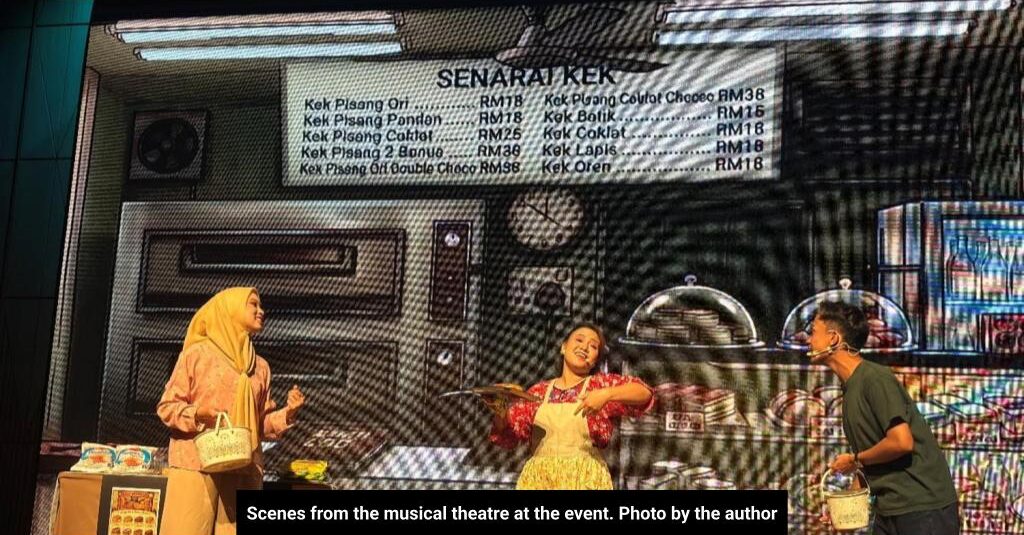
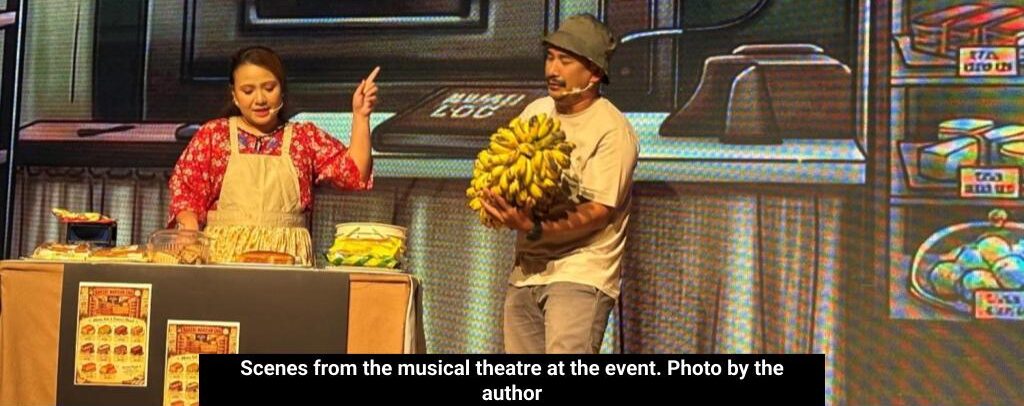
Ena’s Heritage Bakery (Bakeri Warisan Ena) looked comfortingly familiar to everyone. In the small bakery, fresh goods lined a counter as regular customers appeared to get their favourites. The recipes had been passed down from the previous generation. “This is the heritage I protect, a trust from a loved one (Ini warisan yang ku jaga, amanah dari insan tercinta),” sang Ena and her husband, the bakery owners. The scene was lively, colourful and warm.
Things were done as they always had been in the bakery. The logbook was part of its heritage, a carefully guarded record of past transactions that was trusted above anything digital. Money in, money out; debts owed and to be paid. However, when her supplier asked about an outstanding debt, Ena knew it was recorded somewhere in her logbook, but she did not quite understand why there was no cash to pay him.
Then came the fire. Her bakery burned to the ground as pieces of burning paper rained down on the audience. Ena tried in vain to collect her scattered records, fearing that the fire had not only destroyed her building, but had also taken away her memories and business heritage. Without the logbook, she realised the vital information needed to rebuild the business was gone. This dramatic turn introduced the event’s theme effectively. The scene evoked the feeling that the loss of the logbook was like the vanishing of the business’s existence: what it owed, owned, and had inherited.
When old ways stop working
The musical about Ena’s bakery opened MyMikro26: Malaysian Microentrepreneur Discourse 2026 (Wacana Usahawan Mikro Malaysia 2026) earlier this month. The musical, Footprints That Never Fade (Jejak Yang Tidak Terpadam), together with entrepreneur-sharing sessions, formed the main part of MyMikro26, which was organised around the theme “Micro Digitalisation, Economic Transformation” (Digitalisasi Mikro, Transformasi Ekonomi).
Yet, the hidden conflict in the musical is about attachment rather than technology. Ena hangs on to her old logbook and resists change because that is how she has always run her business. It contains more than just numbers; it represents continuity from the previous generation. The move to a digital system seems unnecessary until the old way stops working.
Ena’s hope is restored when it is discovered that the vital information had not been lost, but had been transferred into MyBijakNiaga, a digital financial management toolkit developed by the organisers of the event. What Ena mistook for her husband wasting time on his phone becomes the very tool that saves their business. The broader theme of the event is captured more directly as: “Hard work is not enough; the business also has to be managed wisely (Bukan hanya rajin bekerja, tapi bijak mengurus).”
When survival means changing
Several entrepreneurs at the event echoed this theme in their own stories. They found that adapting and growing meant making one practical decision after another, often during moments of uncertainty. Customers can change. Employees may increase. Margins often tighten. Markets regularly shift. Businesses outgrow routines.
The first guest entrepreneur described the pressure he faced when customer payments were delayed, even though his workers still had to be paid on time. This is the cash-flow trap often faced by small businesses. Earned revenue is not cash in hand, and employees expect to be paid promptly. The entrepreneur responded gradually, saving to build a reserve and resisting the temptation to spend initial profits. Leaving money untouched does not feel like a grand transformation. Yet, this habit is exactly what resilience looks like before the business is termed resilient.
He also described the challenge of managing workers across multiple locations. The first digital tools were not sophisticated. They were low-cost WhatsApp updates with photographs of work done and QR codes for customer complaints. The technology was ordinary, but the behavioural change was not. Workers reported differently, managers monitored differently, and simple tools solved problems. Only later did the business adopt more sophisticated automation.
Another entrepreneur shared the challenge of bringing a long-established family business online. Naturally, there was initial resistance, as the traditional model had survived for decades. He avoided an immediate transition, instead testing the new approach using his own resources and carefully monitored the results. He quickly learned that even online, traditional business rules still applied: advertising costs and product margins influenced the bottom line, and every investment had to be justified through a return.
Small businesses are often told to transform, which implies a significant change from before to after. However, as shared by the entrepreneurs, change is usually incremental and a little uncomfortable. This was apparent in another entrepreneur’s story of moving from an agent-and-stockist model towards more digital platforms such as websites, TikTok and Shopee. Although the entrepreneur, being from a performing arts background, was already used to performing in front of an audience, he found that selling through a livestream required a different skill. Instead of expecting that his stage experience could magically translate to the screen, he took the practical step of going through specialised training to master digital selling.
Business resilience beyond the buzzwords
In the final scene, the bakery is open again, but not as before. The musical ends by showing that the bakery’s inheritance is safe, but the business has changed how it reaches its customers. Ena is still hustling as before; the recipes and family heritage remain. Only the phone is new. When the first livestream starts, she checks whether viewers can hear. Someone asks about a cake. She replies. An order arrives. There is no grand transformation.
And maybe that was the central message of the event. Business resilience is often discussed in broad terms such as adapt, digitise, innovate, and grow. In practice, it is usually developed through smaller routines: keeping better records, understanding cash flow, reviewing what the numbers say, and adjusting behaviour when things change.
That was also the logic behind MyBijakNiaga, the digital financial-management toolkit introduced earlier in the musical as the system that helped protect the bakery’s business. Developed by AKPK, the Credit Counselling and Debt Management Agency (Agensi Kaunseling dan Pengurusan Kredit), MyBijakNiaga is designed to help microentrepreneurs record transactions systematically and manage cash flow more clearly. Its purpose is to turn everyday business records into information that can support better decisions. Yet, a better information system does not always improve decisions. People must trust it, use it consistently, review what it tells them and, when necessary, change their behaviour.
MyMikro26, organised by AKPK, moved away from the conventional seminar structure. By blending a musical with informal entrepreneur-sharing sessions, audience interaction, conversations, and practical demonstrations, the event had a clear narrative flow while being engaging and accessible. Instead of relying on traditional presentations, the event used stories, humour, and lived experiences to present important themes like cash flow, financial discipline, digitalisation, and resilience.
The informal style made these themes feel like a relatable conversation about the realities of running a business. By grounding financial education in everyday struggles, the event reflects one of AKPK’s main goals: to build stronger financial practices among microentrepreneurs through education, counselling, and related programmes. But at MyMikro26, this goal was brought to life on an unusual stage through a logbook, a fire, and a livestream.
The authors are Senior Lecturers at the Faculty of Business and Economics, Universiti Malaya, Kuala Lumpur.
About The Author