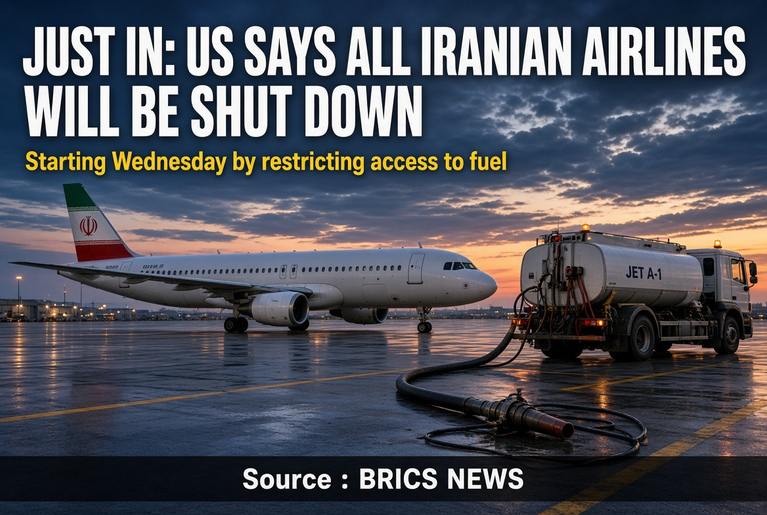
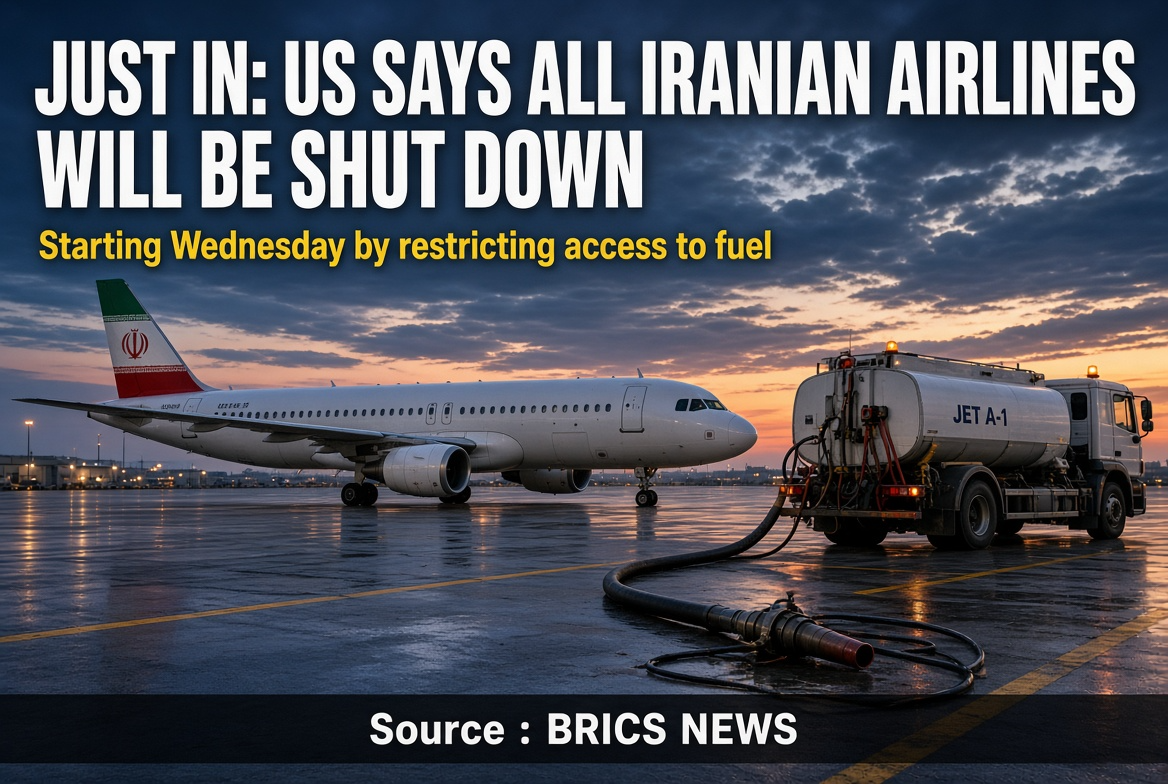
WASHINGTON D.C. Sept 21, 2026 – U.S. Treasury Secretary Scott Bessent said Iranian commercial airlines will effectively be shut out of international operations beginning Wednesday, September 23, as Washington threatens secondary sanctions on any airport or company that continues to service them.
“On September 23, all the Iranian airlines will be shut down around the world,” Bessent told CNBC on Monday. He said foreign firms that provide fuel, landing services, or ticket sales would risk losing access to the U.S. dollar system.
“If they land, you cannot provide them with fuel, you cannot provide them with landing services, you cannot sell them tickets, or you will be knocked out of the dollar system,” he said.
The warning is aimed at airports, fuel suppliers, ground handlers, and ticketing companies outside Iran, not only at the carriers themselves. The practical effect would be to make it far harder for Iranian aircraft to operate abroad if service providers comply to avoid U.S. financial isolation.
The announcement follows a September 8 Treasury action under Operation Economic Outcast. OFAC sanctioned 36 targets tied to Iran’s aviation sector, including 27 remaining active Iranian airlines designated for operating in that sector under Executive Order 13902. Washington accuses the sector of moving weapons, personnel, and illicit cargo for the Iranian government and the Islamic Revolutionary Guard Corps.
Among the airlines listed in that action were Iran Aseman Airlines, Iran Air Tour, Qeshm Air, Kish Airlines, Sepehran Airlines, Varesh Airlines, and Zagros Airlines, along with smaller carriers. Mahan Air had already been sanctioned years earlier. Treasury also suspended several Iran-related aviation authorizations, with a wind-down period running through September 23.
Bessent framed the latest step as a warning to anyone still doing business with the designated carriers: they risk being cut off from the global financial system. The campaign is part of a broader economic pressure effort that Treasury launched in late August, including sectoral determinations covering aviation, shipping, gold, technology, and digital assets.
Iran’s aviation industry was already under severe strain. Years of U.S. sanctions have restricted access to new aircraft, spare parts, and maintenance, leaving much of the fleet aging and difficult to keep airworthy. Some carriers had already begun trimming international routes before this week’s warning.
The measures come amid the wider U.S.-Iran conflict and an intensified sanctions campaign the Trump administration has described as an effort to choke off revenue and logistics that support the Iranian state. Bessent said the United States is applying pressure “like never before” and targeting enablers in third countries. He also said Chinese officials had been engaged on the economic pressure campaign during recent talks.
It is not yet clear how uniformly airports and service providers worldwide will comply, or how quickly Iranian carriers could shift remaining operations to domestic routes and partners willing to accept the risk. Analysts note that fuel, landing fees, ground handling, and ticket distribution typically involve multiple companies, which could complicate enforcement even as the dollar-system threat raises the cost of noncompliance.
About The Author