By Bazlin Zulkifli, Elmi Azri Mat Jamial
Through a pre-test, the teacher designed a series of activities using games, matching exercises and mind maps to reinforce grammar and vocabulary. The students’ performance improved in the post-test. The lesson here is not that games can replace examinations, but that assessment can be a starting point for a better teaching rather than the destination.
This is where the idea of 21st century learning becomes more than a list of buzzwords. Critical thinking, problem-solving, creativity and collaboration are not skills students develop simply because we mention them in a curriculum document. Students need to practice them. They need opportunities to question an idea, defend an opinion, work through a problem with others and try again when their first answer does not work. Learning should not only ask, “What is the answer?” but also, “How did you arrive at it?” and “What can you do differently?”
One way to create these opportunities is through Problem-Based Learning (PBL). Research on PBL describes it as a student-centered approach built around authentic problems, collaboration and critical questioning. Instead of simply receiving information, students are placed in the role of problem-solvers and are encouraged to take greater responsibility for their own learning. In other words, students are not only learning how to answer question. They are learning how to figure out which questions need to be asked.
This also change the role of the teacher. The teacher does not disappear from classroom or simply leave students to figure out on their own. Instead, the teacher becomes a facilitator and guide, helping students stay on course while allowing them to take a more active role in the learning process. This is an important shift because preparing independent learners does not mean teaching less. Sometimes, it means teaching differently.
It also gives us another way to think about assessment. Assessment should not necessarily signal the end of learning. It can be part of the learning process, helping students understand how they can improve and apply what they know. Research on PBL argues that assessment should consider not only whether students possess knowledge, but also how they use and apply it.
The difference becomes clearer when we think about what happens after graduation. In an examination, students are usually given a question and asked to find the answer. At work, they may be given a problem and expected to figure out what the question is in the first place. They will need to communicate with people who disagree with them, work in teams, adapt when plans change and make decision without an answer key. These are not skills that suddenly appear when a student enters the workplace. They must be practiced long before then.
None of this means that every lesson needs to become a group project, or that examinations should disappear. Students still need strong foundations in knowledge, language and basic skills. But perhaps we need to be more intentional about what happens alongside exam preparation. A student should be able to answer questions and know how to think beyond them.
Ultimately, the question is not whether we should prepare students for examinations. We should. The question is whether we are preparing them for everything that comes after the examination hall. A good education should not just give students the knowledge to answer questions, but also the confidence to ask better ones. It should prepare them to think when there is no model answer, communicate when the conversation is difficult and keep learning when nobody is there to teach them.
Perhaps the real test of our education system is not how well students perform when they know what will be asked, but how well they respond when they do not.

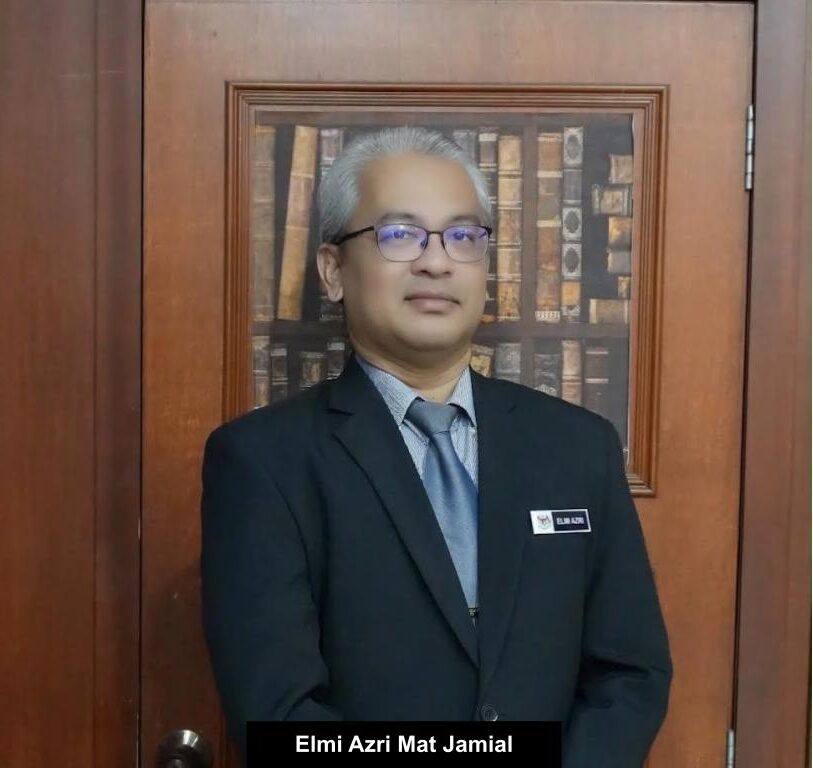
Bazlin Zulkifli is an undergraduate student at Universiti Malaya, and Elmi Azri Mat Jamial is an English School Improvement Specialist Coach (SIC+) from Pejabat Pendidikan Daerah Kota Setar (PPDKS), Kedah.
About The Author