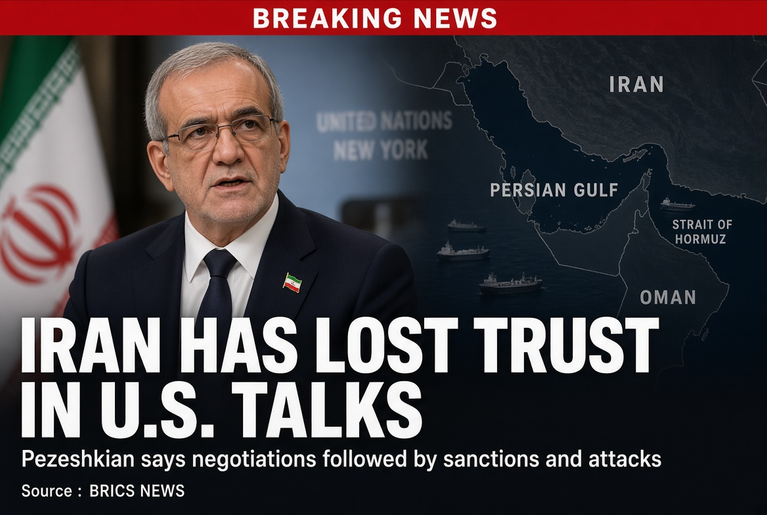
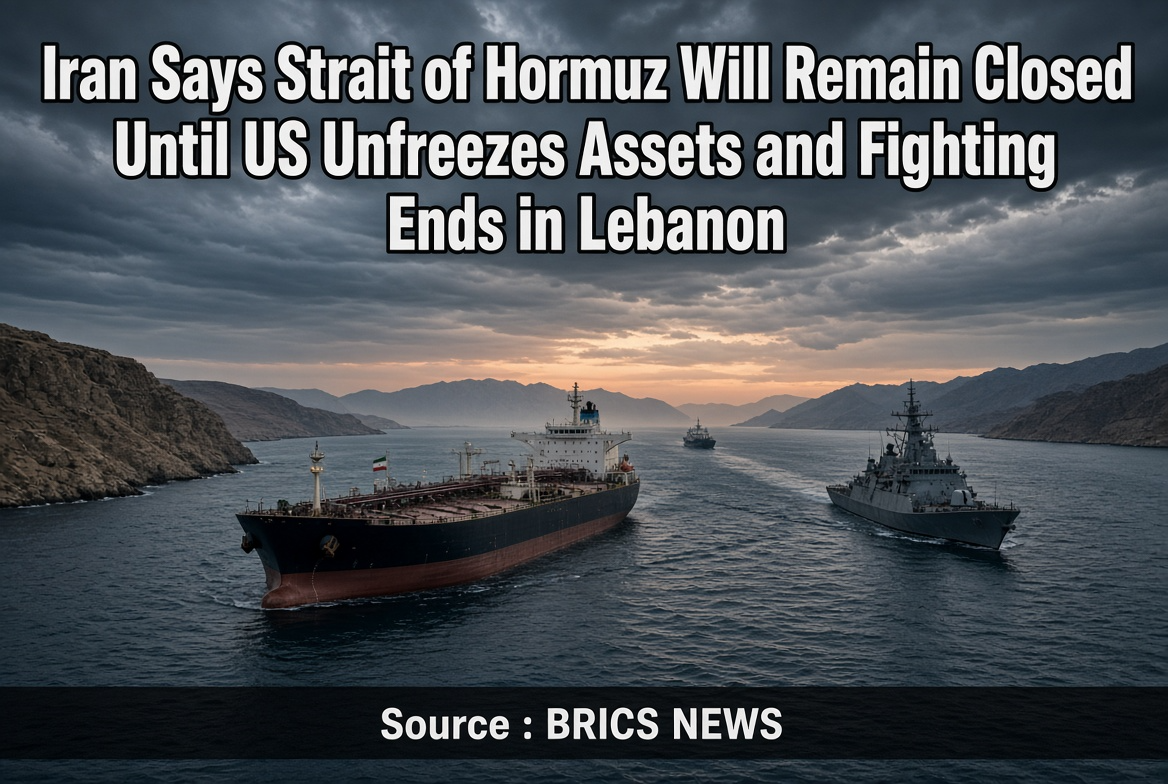
TEHRAN August 10, 2026 — Iran declared on Monday that the Strait of Hormuz will remain closed to commercial shipping until the United States unfreezes Iranian assets and hostilities cease in Lebanon.
The statement, reported by Iranian officials and circulating widely, ties the reopening of one of the world’s most critical energy chokepoints directly to two key U.S. actions. A senior Iranian official, speaking on condition of anonymity, told reporters that Tehran will only allow normal traffic through the strait once Washington releases frozen Iranian funds and assets and the fighting involving Iran’s allies in Lebanon comes to an end.
The demand forms part of a broader set of conditions Iran has repeatedly outlined in recent days. Officials, including Supreme National Security Council secretary Mohammad Bagher Zolghadr and Foreign Ministry spokesperson Esmaeil Baghaei, have insisted the United States must also lift its naval blockade, ease oil and petrochemical sanctions, withdraw military forces from the region, end threats against Iran, and provide compensation for war-related damage before the waterway can reopen.
Iranian Foreign Minister Abbas Araghchi noted that technical talks with Oman on defining new shipping routes through the strait are in their final stages. However, he stressed that any such arrangement does not automatically mean the strait will reopen for commercial traffic. That step, Tehran maintains, depends on the United States meeting its political and economic demands.
The Strait of Hormuz normally carries about one-fifth of the world’s seaborne oil. Since the latest escalation, daily transits have fallen sharply, with only a handful of vessels recorded in recent days. The disruption has kept global oil prices elevated, with Brent crude trading near $86 a barrel on Monday.
The current standoff stems from the partial collapse of a June 2026 memorandum of understanding between Iran and the United States. That earlier understanding had included provisions for sanctions relief, the release of frozen assets, and de-escalation in Lebanon, but both sides accuse the other of failing to fully implement the terms.
No immediate comment was available from the U.S. administration. The prolonged closure continues to pressure energy markets and regional economies while diplomatic efforts through intermediaries persist.
About The Author