By Dr Nurul Liyana Aminuddin and Dr Muhammad Aliff Ikram Noor Zari
Imagine taking a selfie, uploading it to an app and within seconds seeing yourself with perfectly straight, bright white teeth and a dazzling smile. It may sound like something from a science fiction movie, but it is now becoming a reality. Thanks to AI, smile design has become faster, smarter and more accessible than ever before.
With just a photograph, AI-powered smile design software can analyse your facial features, evaluate tooth proportions and generate a preview of what your smile could look like after treatment. Whether you are considering teeth whitening, veneers or braces, these digital simulations allow you to visualise possible results before any treatment even begins. It is exciting technology but does that mean AI can design the perfect smile on its own? Not quite.
AI is transforming many aspects of healthcare and dentistry is no exception. Modern smile design software can identify facial features such as the eyes, nose, lips and chin, before analysing the shape, size and position of your teeth. In just a few minutes, it can generate a digital smile that is designed to suit your facial proportions.
What once required photographs, manual measurements and careful planning can now be completed in a fraction of the time. For patients, one of the biggest advantages is being able to “try on” a new smile before treatment starts. Instead of imagining the final result, they can see a realistic preview, making it easier to understand the treatment plan, ask questions and discuss their expectations with the dentist.
Some AI smile design software can create a digital smile simulation in less than a minute. However, the image is only a preview, it is not the final treatment plan. For this instance, dentist’s touch is still essential. Although AI is incredibly fast, creating a beautiful smile involves much more than producing an attractive picture.
Everyone is different. Our face shape, smile, teeth and even the way we bite are unique. A smile that looks perfect on one person may not suit someone else. While AI can analyse photographs and suggest a smile design, it does not know your personal preferences or understand your overall oral health. That is why every AI-generated smile still needs to be reviewed by a dentist.
A beautiful smile is not about straight and white teeth. Before recommending any treatment, dentists check that your teeth and gums are healthy, your bite works properly and the proposed treatment will suit your individual needs. They also consider your facial features, smile and the result you hope to achieve.
For example, AI may suggest making your front teeth slightly longer because they look better in a digital image. However, if the new teeth do not fit your bite properly, they may not feel comfortable or last as long. A successful smile is not just one that looks beautiful. It should also be healthy, comfortable and made especially for you.
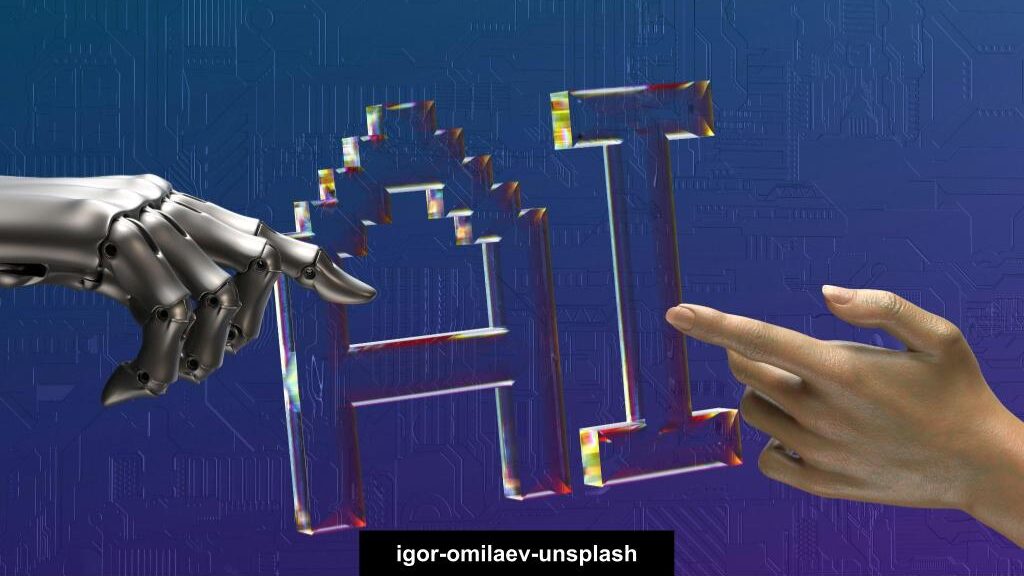
Some people worry that AI will eventually replace dentists which is very unlikely. Instead, AI is becoming a valuable partner in modern dentistry. It helps dentists analyse photographs, create smile simulations and explain treatment options more clearly. It also makes communication between dentists, dental technicians and patients much easier. However, a computer can only make suggestions. It cannot replace years of clinical training, experience and professional judgement.
Think of it like using GPS while driving. GPS can recommend the fastest route, but it is still the driver who decides how to reach the destination safely. In the same way, AI can suggest a smile design, but it is the dentist who determines whether it is suitable, safe and achievable for the patient.
As AI technology continues to improve, it will undoubtedly become an even bigger part of dentistry. Smile design will become faster, more accurate and increasingly personalised. However, the future of dentistry is not about choosing between AI and dentists, it is about combining the strengths of both.
AI can make treatment planning quicker and more efficient, while dentists use their knowledge, clinical skills and artistic judgement to create a smile that is healthy, natural and built to last. Technology is a powerful tool, but the human touch remains just as important.
So, can AI really design your perfect smile?
AI can certainly help. It can provide an impressive preview and make treatment planning easier than ever before. But creating a smile that looks natural, functions well and lasts for years still depends on the knowledge, experience and skills of a dental professional.
After all, AI can design the smile but only your dentist can bring it to life.
The authors are from the Department of Restorative Dentistry, Faculty of Dentistry, Universiti Malaya
About The Author