In Malaysia, the conversation around education is shifting. For decades, success has largely been defined by grades, rankings and examination results. Today, however, a broader and more important question is gaining attention: What kind of individuals is the education system shaping?
Increasingly, parents, educators and policymakers are recognising that academic results alone do not fully reflect a student’s potential. They are calling for an approach that develops not just knowledge, but also character, resilience and a sense of responsibility.

Rethinking What Success Looks Like
Malaysia’s education landscape has long prioritised standardised assessments. While exams provide useful benchmarks, they offer only a narrow view of student capability.
In a rapidly evolving world, success is no longer measured solely by academic performance. Universities, employers and communities are placing greater value on skills such as critical thinking, adaptability, collaboration and ethical decision-making.
A more balanced model of education is emerging—one that integrates academic achievement with personal development. Under this approach, students are encouraged to understand not just what they are learning, but why it matters, and how it can contribute to society.
Placing Character at the Centre
At the heart of this shift is a renewed focus on character education. Values such as integrity, empathy and perseverance are no longer treated as abstract ideals, but as essential life skills.
This is often embedded into everyday learning experiences—through classroom discussions, group projects and co-curricular activities. Students learn to work collaboratively, manage differences constructively and reflect on the impact of their actions.
These experiences play a critical role in building emotional intelligence. They help students develop resilience—the ability to navigate setbacks, adapt to change and grow from challenges. In this context, failure is not an endpoint, but part of the learning process.
Ethics in a Diverse Society
Malaysia’s multicultural fabric makes ethical awareness particularly important. Schools are uniquely positioned to foster mutual respect and understanding among students from different backgrounds.
Exposure to diverse perspectives helps young people appreciate shared values while respecting differences. These interactions go beyond theory—they are shaped through daily experiences, cultural exchanges and peer engagement.
In doing so, students begin to see themselves not only as individuals pursuing personal goals, but as members of a wider community. This sense of social responsibility is critical in maintaining unity and cohesion in a diverse society.
Cultivating a Lifelong Love of Learning
A key strength of value-based education is its ability to nurture intrinsic motivation. When students are driven by curiosity and purpose rather than grades alone, learning becomes more meaningful and enduring.
Instead of passively receiving information, students are encouraged to question, explore and connect ideas to real-world issues. This mindset prepares them for a future where knowledge is constantly evolving.
In such an environment, the ability to learn, unlearn and relearn becomes more valuable than memorisation. Education, therefore, extends beyond the classroom and continues throughout life.
Strengthening Communities Through Education
Education does not only shape individuals—it also influences society as a whole. Schools can play an important role in building empathy and civic responsibility.
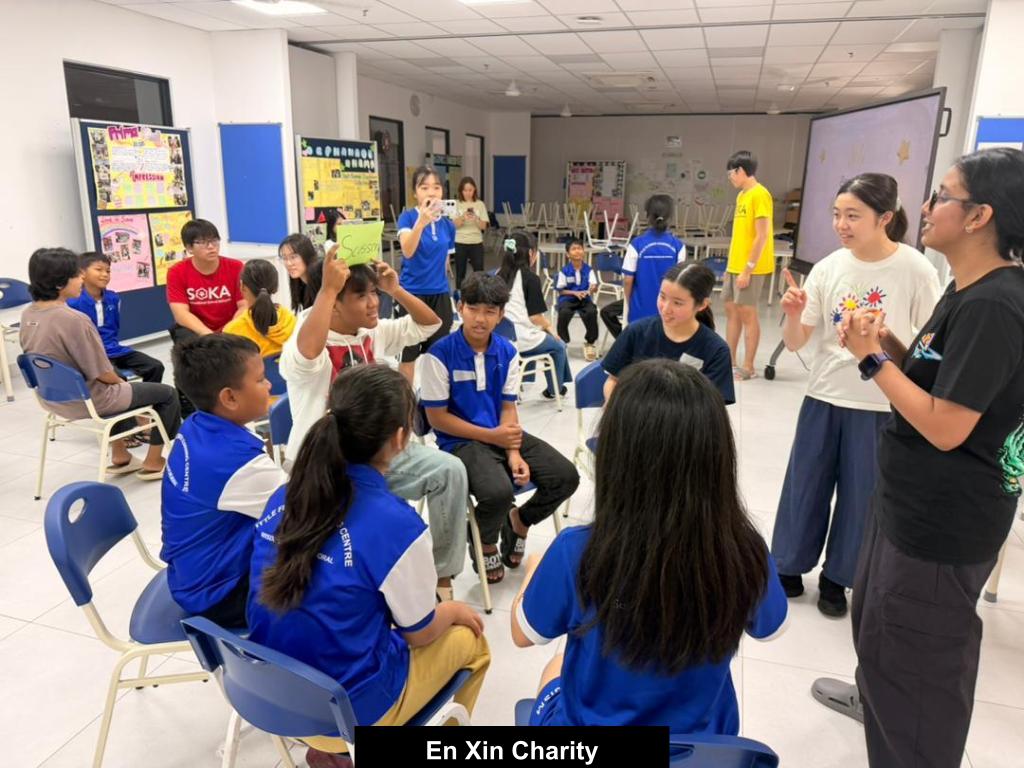
Experiential learning, such as community engagement and service-based activities, allows students to better understand societal challenges. These experiences reinforce the idea that education carries a responsibility beyond personal success.
More importantly, they demonstrate that values are not merely theoretical concepts, but practical principles that guide everyday decisions. Students gain a sense of agency—the confidence that they can contribute positively to their communities.
Preparing for a Complex Future
As Malaysia continues to develop, its education system must adapt to new realities. Academic excellence remains important, but it must be complemented by strong ethical foundations and adaptability.
The challenges of the 21st century—from technological disruption to social inequality—require individuals who are not only knowledgeable, but also principled and resilient.
A value-based approach to education offers a pathway forward. By emphasising both intellectual and character development, it equips students to navigate uncertainty while contributing meaningfully to society.
SOKA International School Malaysia and the New Learning Curve
This evolving perspective on education is closely reflected in the approach taken by SOKA International School Malaysia. Rooted in a philosophy that values the holistic development of each student, the school integrates academic learning with character-building, global citizenship and a strong sense of purpose.
Through a balanced curriculum that emphasises inquiry, empathy and real-world engagement, SOKA students are encouraged to grow not only as learners, but as thoughtful individuals who are prepared to contribute meaningfully to society.
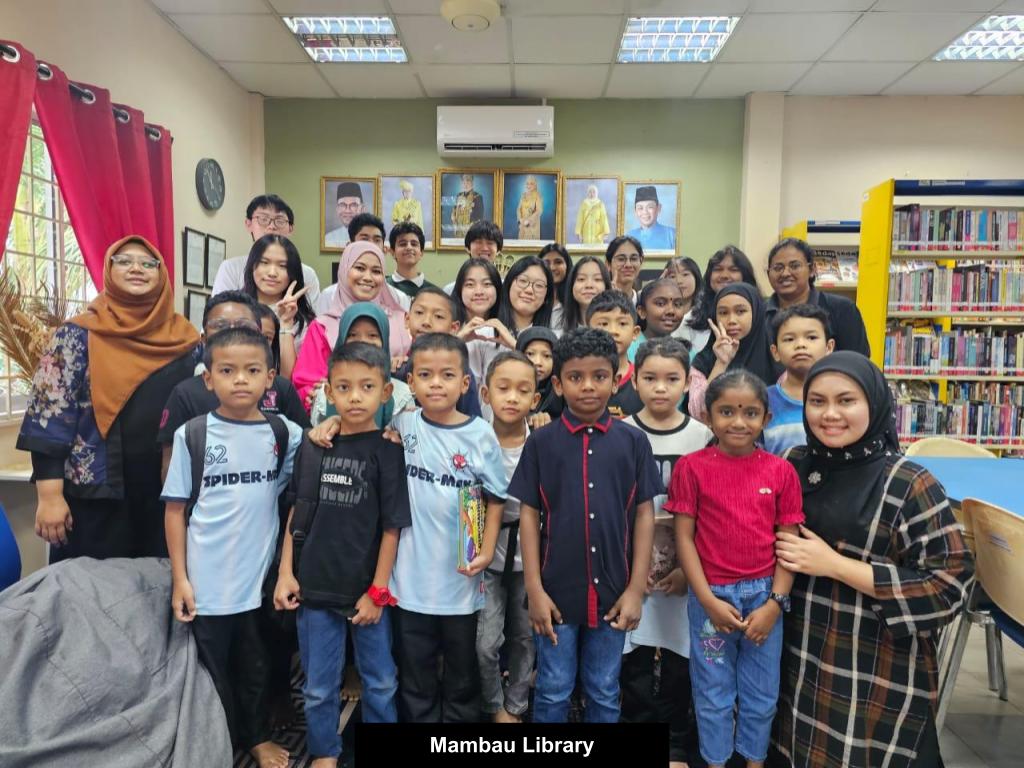
One example is a Year 11 student who led a peer initiative to support underprivileged communities through a student-organised tutoring and donation drive. What began as a small classroom discussion evolved into a school-wide project, mobilising students across levels to contribute their time and resources. Despite initial challenges in coordination and outreach, the student demonstrated resilience and leadership, ultimately building partnerships with local organisations and sustaining the initiative beyond a single term. The experience not only strengthened academic and organisational skills but also deepened a sense of empathy and responsibility towards the wider community.
This emphasis on holistic development is also deeply valued by parents. One parent shared that what sets the school apart is its commitment to nurturing character alongside academic achievement. “We want our child to grow up not just knowledgeable, but also kind, confident and socially aware. The school’s approach helps our child understand the importance of contributing to others and developing resilience—qualities that matter just as much as grades in today’s world.”
This aligns with the broader shift towards a “new learning curve”; one that prioritises lifelong learning, ethical awareness and the development of the whole person.
Quote from Dr Wendy Yee, Principal, SOKA International School Malaysia:
“The new learning curve is not about moving away from academic excellence, but about redefining what excellence truly means. At SOKA International School Malaysia, we believe education should nurture both intellect and character; equipping students with the wisdom, compassion and resilience needed to navigate an increasingly complex world. Our goal is to develop individuals who not only succeed, but who also contribute positively to society.”
Conclusion
The growing reassessment of exam-focused education signals a positive shift. Success is increasingly understood as more than academic achievement—it is about developing well-rounded individuals with the ability to think critically, act ethically and engage with the world.
By placing values, character and purpose alongside academic learning, education can better fulfil its true role: preparing individuals not just for exams, but for life.
About The Author