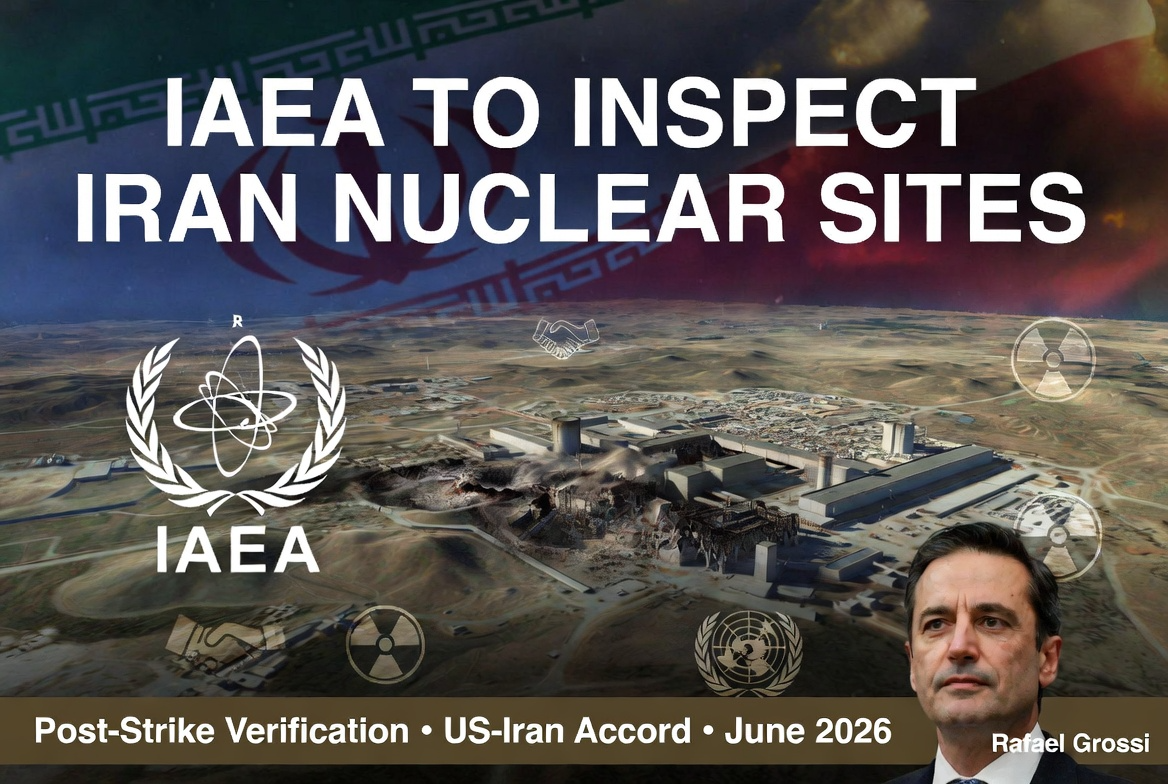
VIENNA/TEHRAN June 24, 2026 — The International Atomic Energy Agency (IAEA) has confirmed it will conduct nuclear inspections in Iran as part of efforts to verify compliance following last year’s US-Israeli strikes and a fragile interim accord between Washington and Tehran.
IAEA Director General Rafael Grossi stated that discussions are underway on the modalities, including dates, sites, and procedures for the inspections. The move comes weeks after the signing of the Islamabad Memorandum on June 17, a Pakistan-mediated agreement aimed at ending hostilities, reopening the Strait of Hormuz, and initiating broader nuclear and sanctions talks.
Iran suspended IAEA access to many sites after the 2025 strikes on key facilities such as Natanz and Fordow. Limited verification has been possible since then, raising international concerns about unaccounted-for enriched uranium stockpiles.
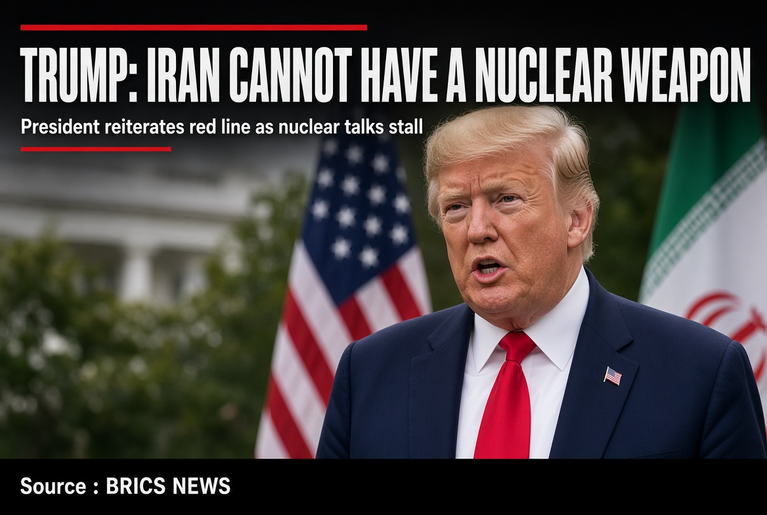
U.S. officials, including President Donald Trump, have described the inspections as part of the interim deal, claiming significant damage to Iran’s nuclear program. Iranian officials have pushed back, denying any new commitments beyond existing frameworks and insisting that access will be granted only “at the appropriate time.”
A senior Iranian diplomat told state media that Tehran remains committed to its peaceful nuclear program under the Non-Proliferation Treaty but will not allow inspections that compromise national security.
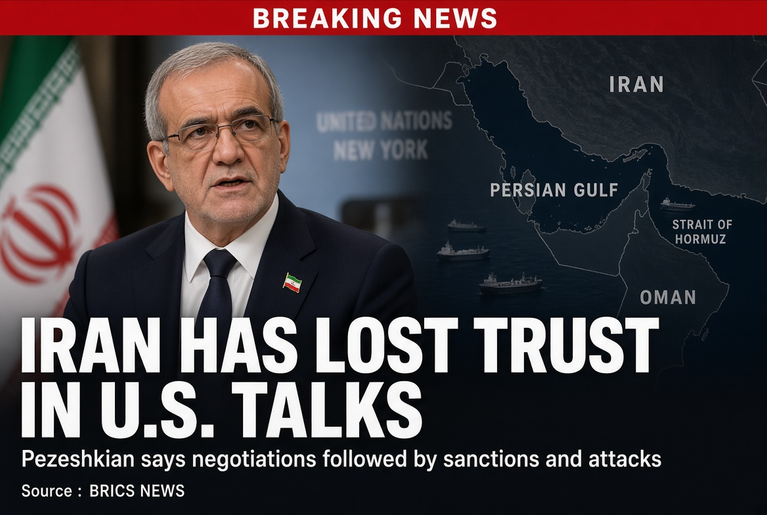
The development follows high-level technical talks in Switzerland earlier this week, mediated by Pakistan and Qatar. Iranian President Masoud Pezeshkian visited Pakistan on Tuesday to express gratitude for its mediation role and discuss next steps.
Western diplomats view the IAEA’s involvement as critical for building confidence ahead of more comprehensive negotiations on sanctions relief, reconstruction, and regional de-escalation, including a potential long-term nuclear agreement.
Grossi emphasized that the agency’s role is technical and independent: “We are ready to engage constructively once the details are finalized,” he said in a brief statement.
Iran’s nuclear program has been under scrutiny for years. The 2025 conflict significantly set back enrichment capabilities, according to U.S. and Israeli assessments, though Tehran maintains its right to civilian nuclear energy.
Analysts say successful inspections could pave the way for eased sanctions and economic relief for Iran, while failure risks renewed tensions. Markets have already priced in de-escalation, with oil prices stabilizing in recent weeks.
This story is developing. Further details on inspection timelines are expected in the coming days.
About The Author