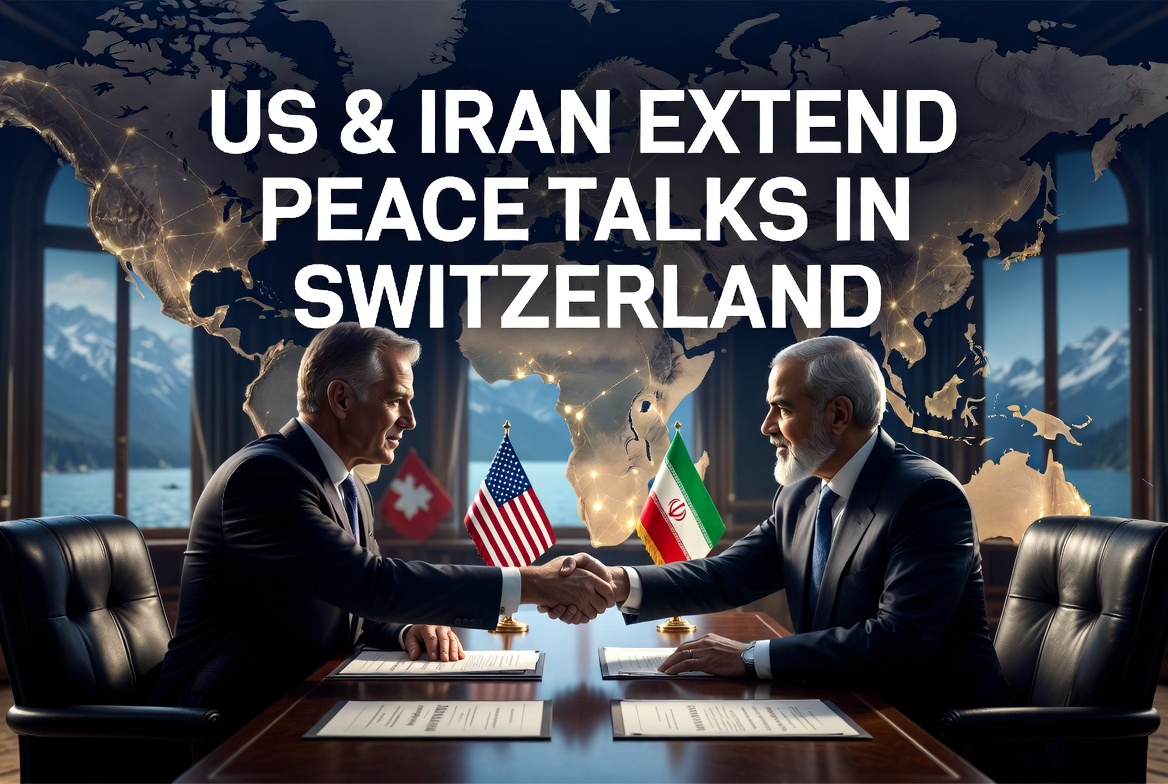
GENEVA June 22, 2026 — Negotiators from the United States and Iran have decided to prolong their discussions for the remainder of the week, according to reports from the talks hosted in Switzerland. The move comes amid efforts to build on a recently signed memorandum of understanding aimed at solidifying a fragile ceasefire and addressing long-standing tensions.
The talks, facilitated in part by mediators from Pakistan and Qatar, follow the June 17 Islamabad Memorandum of Understanding. That 14-point framework established an immediate end to military operations — including in Lebanon — reopened the Strait of Hormuz to international shipping, and outlined a 60-day window for finalizing a broader peace agreement. Key issues on the table include Iran’s nuclear program, sanctions relief, regional security guarantees, and enforcement mechanisms.
Early sessions encountered strains, particularly over Lebanon-related commitments and verification processes, but both sides described the atmosphere as constructive. No major breakthroughs were announced, yet officials indicated sufficient progress to justify continued engagement rather than a recess.
Pakistan has played a visible mediating role, with some reports noting its influence in urging the extension. U.S. representatives, including elements of the Trump administration’s envoy team, and Iranian diplomats remain engaged at the venue near Lake Lucerne.
The memorandum signed earlier this month marked a significant de-escalation after months of direct and proxy conflict. It includes provisions for:
- Termination of hostilities across fronts.
- Reopening of the Strait of Hormuz without restrictions.
- Initial sanctions-easing steps paired with nuclear-related discussions.
- High-level oversight committees and communication hotlines to prevent incidents.
Markets have reacted with volatility to each twist in the diplomatic process, with oil prices sensitive to any signs of renewed disruption in the Gulf. Regional actors, including Israel and Hezbollah, continue to test the ceasefire with sporadic incidents, adding urgency to the negotiations.
Analysts view the extension as a positive signal that diplomacy remains viable, though deep skepticism persists on both sides. Critics in the U.S. worry about enforcement and Iran’s regional influence, while Iranian officials seek concrete relief from sanctions and guarantees against future military action.
Further updates are expected in the coming days as the 60-day clock for a comprehensive deal continues to tick. Switzerland has reiterated its willingness to host and support the process.
About The Author