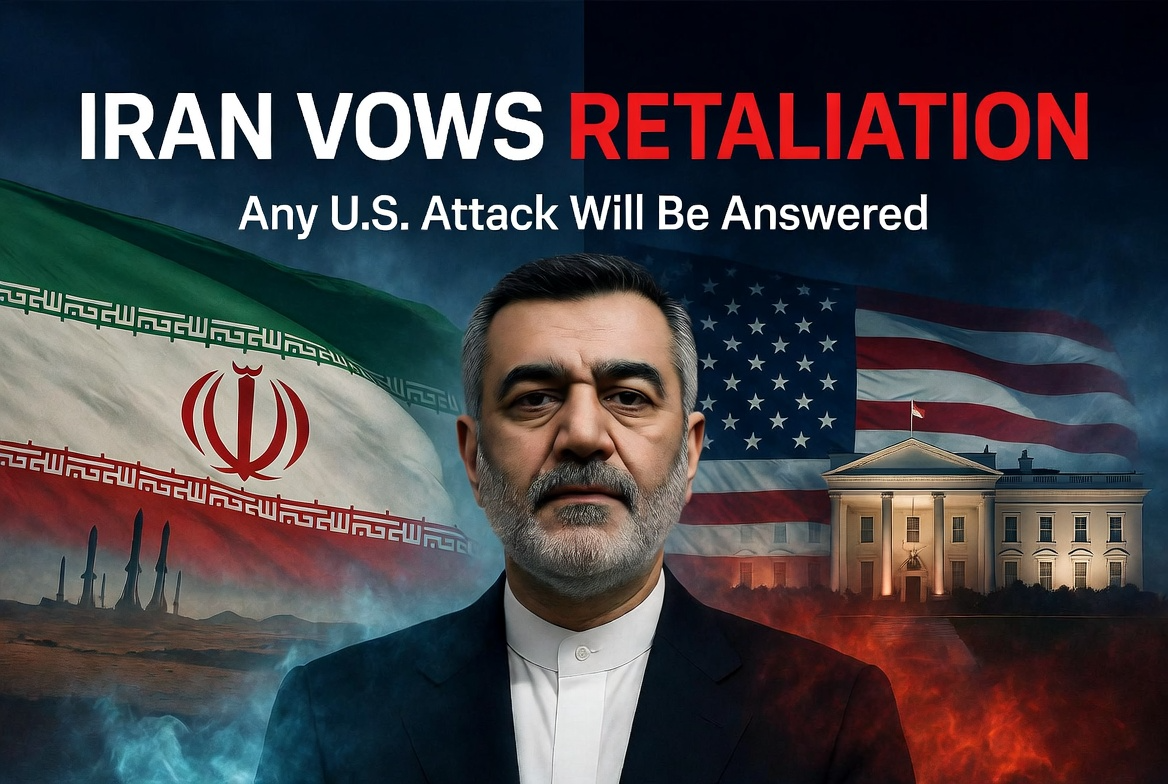
TEHRAN June 10, 2026 — Iranian Foreign Minister Abbas Araghchi has issued a firm warning to the United States, stating that Iran will not leave any American attack or threat unanswered, amid heightened tensions in the Middle East.
In a statement reported widely on social media and diplomatic channels, Araghchi reaffirmed Tehran’s policy of strong retaliation in response to perceived U.S. aggression. The declaration comes as the region grapples with the aftermath of earlier U.S. strikes on Iranian targets, ceasefire negotiations, and ongoing concerns over the Strait of Hormuz and oil supply routes.
“Iran will not leave any US attack or threat unanswered,” Araghchi said, according to the announcement shared by geopolitical monitoring accounts. The message was accompanied by portraits of the Iranian diplomat and U.S. President Donald Trump, underscoring the direct nature of the bilateral friction.
This latest statement fits a pattern of Iranian responses to U.S. and Israeli actions throughout 2026. Earlier this year, U.S. strikes targeted Iranian nuclear facilities, prompting Iranian missile and drone responses against U.S. bases and interests in the region. Araghchi has repeatedly described such actions as “aggression” and emphasized Iran’s readiness to defend its sovereignty.
In prior briefings, the foreign minister has warned that any further U.S. attacks could expand the conflict across the region, with American bases in neighboring countries becoming legitimate targets. Iran has also signaled preparedness for prolonged engagement while expressing conditional openness to ceasefires — provided attacks cease.
The renewed rhetoric arrives against a backdrop of volatile oil markets. Disruptions in the Strait of Hormuz and concerns over supply have contributed to fluctuating energy prices, even as some demand indicators in the U.S. show signs of consumer caution. Analysts note that further escalation could exacerbate inflationary pressures globally.
Social media reactions to the statement reflect divided views: some users warn of dangerous escalation and potential impacts on global energy security, while others see it as posturing amid ongoing diplomatic maneuvers.
Abbas Araghchi, a veteran diplomat, has served as Iran’s top foreign policy voice during this period of crisis. He has consistently argued that Iran seeks to avoid broader war but will respond decisively to threats against its territory, nuclear program, or national interests.
No immediate official response from the White House or U.S. State Department was available at the time of reporting, though President Trump has previously emphasized a hardline stance on Iran.
This development underscores the fragile balance in U.S.-Iran relations, where threats of retaliation continue to overshadow intermittent ceasefire talks. Further updates are expected as diplomatic channels and military postures evolve.
About The Author