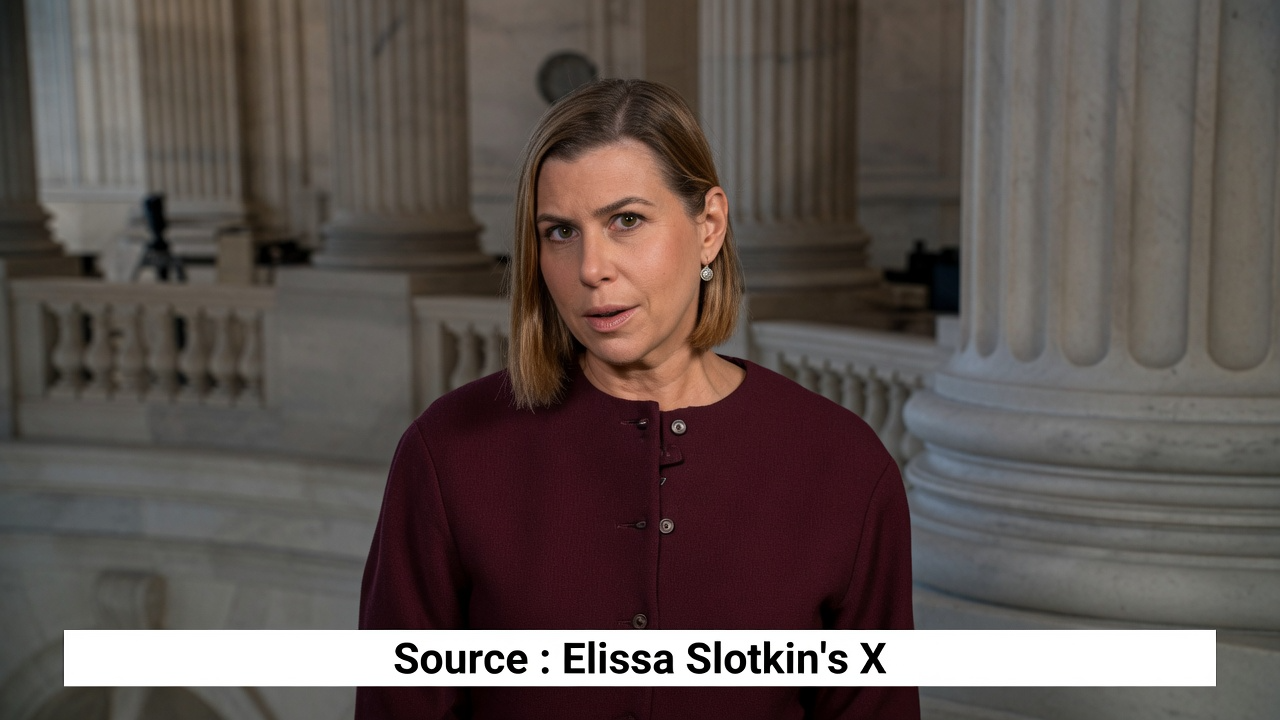
WASHINGTON D.C. – June 5, 2026 — U.S. Senator Elissa Slotkin (D-Mich.) took aim at President Donald Trump’s military operation against Iran, arguing that it is imposing higher energy costs on American families.
In a post on X (formerly Twitter), Slotkin stated: “Every American is paying the price for President Trump’s war.” The message included a video of her speaking on Capitol Hill, highlighting economic impacts amid disrupted oil flows through the Strait of Hormuz.
The U.S. launched Operation Epic Fury on February 28, 2026, as a major air and maritime campaign targeting Iranian nuclear sites, ballistic missile capabilities, naval assets, and military infrastructure. Coordinated with Israeli strikes, the operation aimed to neutralize Iran’s nuclear ambitions and regional threats.
Iran responded by attacking shipping lanes and effectively closing the Strait of Hormuz — a critical chokepoint carrying about one-fifth of global oil supply. This disruption, combined with attacks on energy infrastructure, caused oil prices to surge, with Brent crude exceeding $119 per barrel at peaks and contributing to higher U.S. gasoline prices.
Analyses estimate the conflict added a premium of roughly $0.85 per gallon to U.S. gas prices at its height, with national averages climbing above $4 in some periods. Diesel and jet fuel saw even steeper increases.
Slotkin, a former national security official, has pushed for congressional oversight, including support for War Powers resolutions. She has argued the administration lacked a clear post-strike plan for reopening the Strait and mitigating economic fallout, noting potential delays of months or years for supply chains (including fertilizer) to normalize even after shipping resumes.
Republicans and administration officials counter that the operation was a necessary “peace through strength” move to prevent a nuclear-armed Iran and long-term threats. They describe the price spikes as temporary, predicting lower energy costs once objectives are fully met and the Strait reopens. Some point to prior inflation under previous administrations for context.
As of early June 2026, major combat operations under Epic Fury have largely concluded with a ceasefire in place, though fragile talks continue and supply disruptions linger.
Slotkin’s comments reflect ongoing partisan divisions in Congress over the war’s costs, duration, and strategy, with Democrats emphasizing domestic economic pain and some Republicans highlighting national security gains.
Gas prices remain a key concern for consumers heading into summer, with broader ripple effects on inflation, shipping, and agriculture.
About The Author