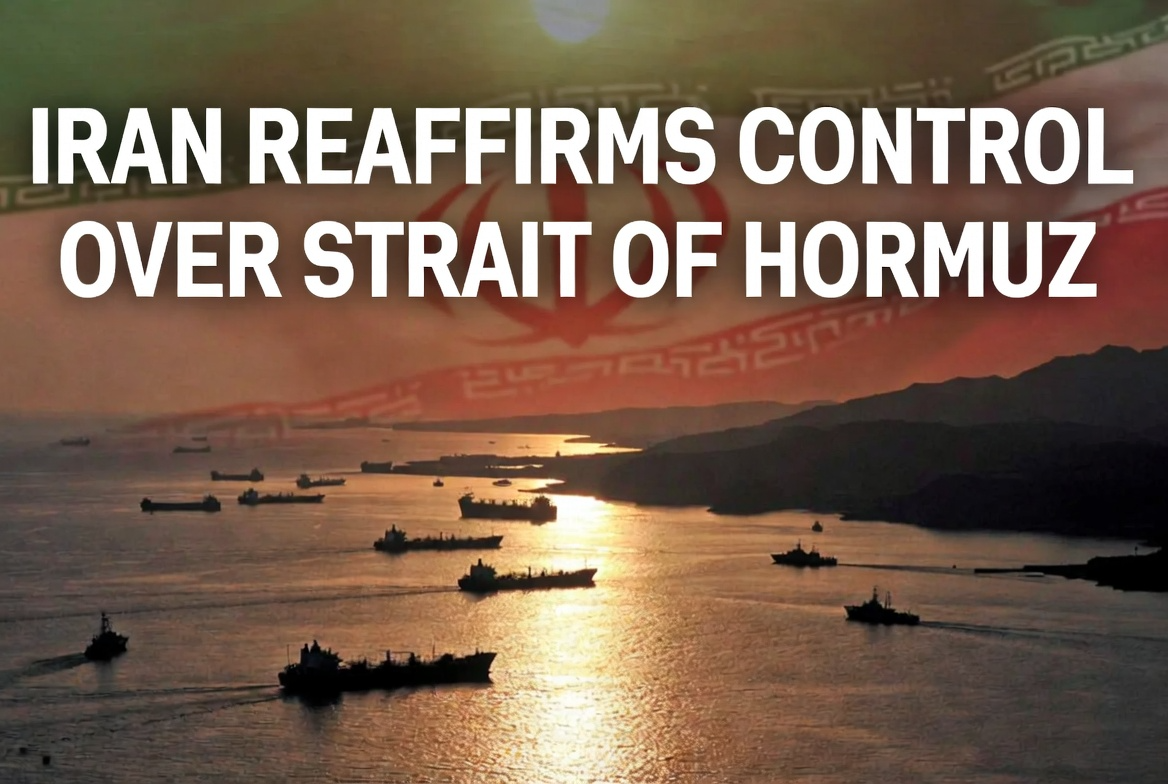
TEHRAN, May 23, 2026 — Iranian state media declared Saturday that the Strait of Hormuz will remain under Iranian control, asserting sovereign management through the newly established Persian Gulf Strait Authority (PGSA) even as ceasefire negotiations with the United States continue.
The statement comes amid ongoing tensions following the 2026 Iran war, which began in late February with U.S. and Israeli strikes on Iranian targets. Iran responded by blocking shipping through the critical chokepoint — responsible for roughly 20% of global oil transit — imposing tolls on vessels, and introducing new maritime regulations.
According to the PGSA, created in early May, ships must coordinate with Iranian authorities for passage, pay applicable fees, and adhere to Tehran’s protocols. Iranian officials frame this as legitimate exercise of sovereignty over waters adjacent to its coastline.
A temporary ceasefire, brokered in part by Pakistan in early April, aimed to reopen the strait for international shipping. However, implementation has been contentious. The U.S. under President Donald Trump has pushed for unrestricted passage without Iranian tolls or veto power, while linking broader talks to Iran’s nuclear program.
Iranian sources emphasize that any reopening will occur under their management via the PGSA, not as a full concession of control. This position contrasts with U.S. statements stressing freedom of navigation and rejection of Iranian “tolls” or dominance.
The Strait of Hormuz remains a flashpoint:
- Economic Impact: Disruptions have driven up global oil prices and insurance costs, with significant losses reported for shipping and energy sectors.
- Military Dimension: Despite U.S. and Israeli operations degrading Iranian naval capabilities, Tehran maintains de facto influence through asymmetric threats, mines, and coastal defenses.
- Diplomatic Stakes: Current talks reportedly include a potential 30-60 day extension focused on gradual reopening, uranium stockpile issues, and sanctions relief. Progress remains uncertain.
Shipping data firms report limited traffic continuing under Iranian coordination, while Western officials question the legality and sustainability of Tehran’s claims.
This latest assertion from Iranian state media underscores the gap between the two sides as indirect negotiations proceed. Markets and regional allies are watching closely for any escalation that could again disrupt one of the world’s most vital energy arteries.
About The Author