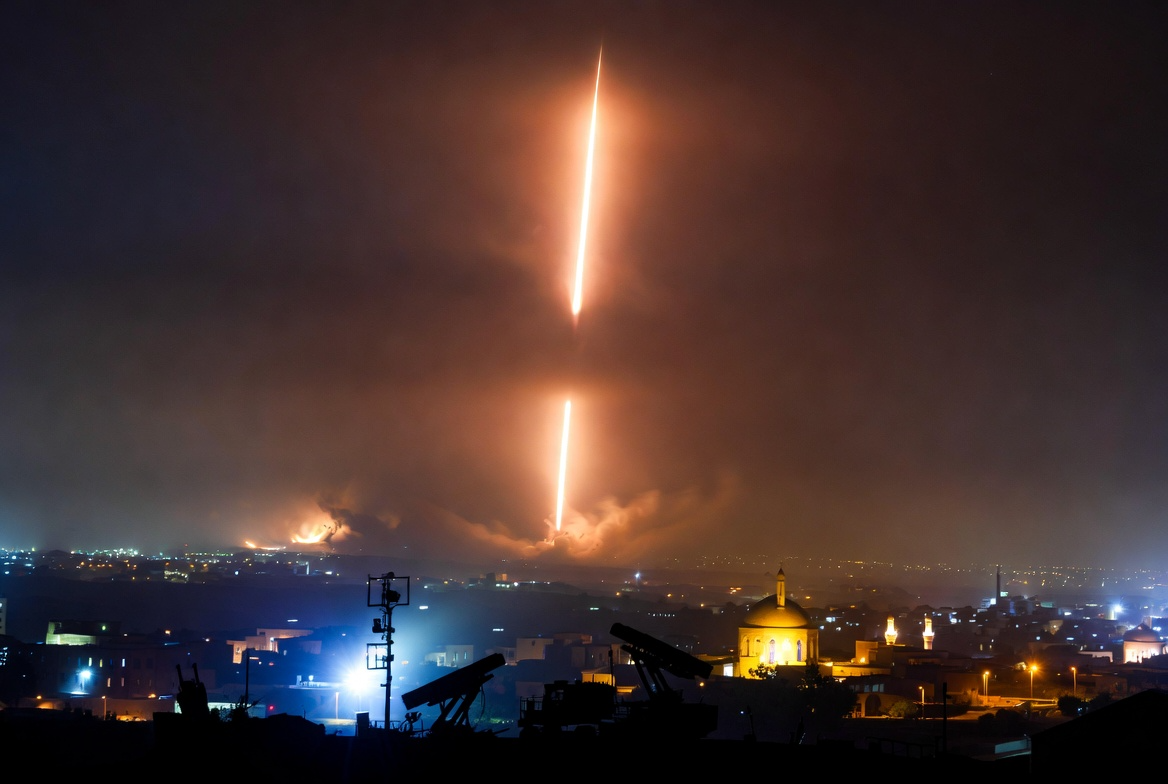
ISFAHAN, IRAN May 18, 2026 — Iranian air defense systems were activated in the central city of Isfahan on Monday night, according to reports from state-affiliated media and social media monitoring. The activation comes just hours after U.S. President Donald Trump announced he had postponed a planned military strike on Iran at the personal request of key Gulf leaders.
No immediate explosions or impacts were independently confirmed in Isfahan, a strategically vital city that houses major nuclear research facilities, missile production sites, and military infrastructure. Iranian officials have not yet provided an official explanation, though such activations have become routine in response to reported drone activity throughout the ongoing regional conflict.
Diplomatic Intervention Halts Planned Strike
Earlier on Monday, Trump confirmed he halted a scheduled strike—originally set for the following day—following direct appeals from Qatar’s Emir Tamim bin Hamad Al Thani, Saudi Crown Prince Mohammed bin Salman, and UAE President Mohamed bin Zayed Al Nahyan. Trump stated that negotiations with Iran are underway, with the Gulf leaders expressing confidence that a deal can be reached to prevent Iran from acquiring nuclear weapons.
“The U.S. military remains on full alert and is prepared to launch a large-scale attack immediately if talks fail,” sources close to the matter indicated. This marks the fourth such postponement in 79 days of elevated tensions centered on the Strait of Hormuz.
The Gulf trio’s intervention reflects their direct economic exposure: Qatar has suffered LNG capacity losses, Saudi production is at multi-decade lows, and the UAE recently absorbed a drone strike on its Barakah nuclear plant.
Broader Context: Persistent Tensions
The incident fits a pattern of intermittent alerts and low-level incidents persisting despite fragile diplomatic efforts. Isfahan has been a repeated target area in past exchanges, including during the 12-Day War in 2025. Oil markets remain elevated near $110 per barrel for Brent crude, reflecting ongoing disruptions in the region.
Iranian state media and local observers reported the air defense activity as defensive measures, with some unverified mentions of possible small drone incursions. No casualties or damage have been reported so far.
Market and Geopolitical Implications
This latest development underscores the fragile balance between diplomacy and military readiness. Markets are expected to react with an initial risk-off dip in oil prices on hopes of de-escalation, though analysts note the structural factors—disrupted shipping, stranded tankers, and Iran’s continued revenue flows—have repeatedly led to rebounds in energy prices.
The U.S., Israel, and Iran remain locked in a high-stakes standoff, with negotiations ongoing amid mutual distrust. Further updates will depend on confirmation of any actual aerial activity and responses from involved parties.
This is a developing story. Updates will follow as more details emerge from official sources.
About The Author