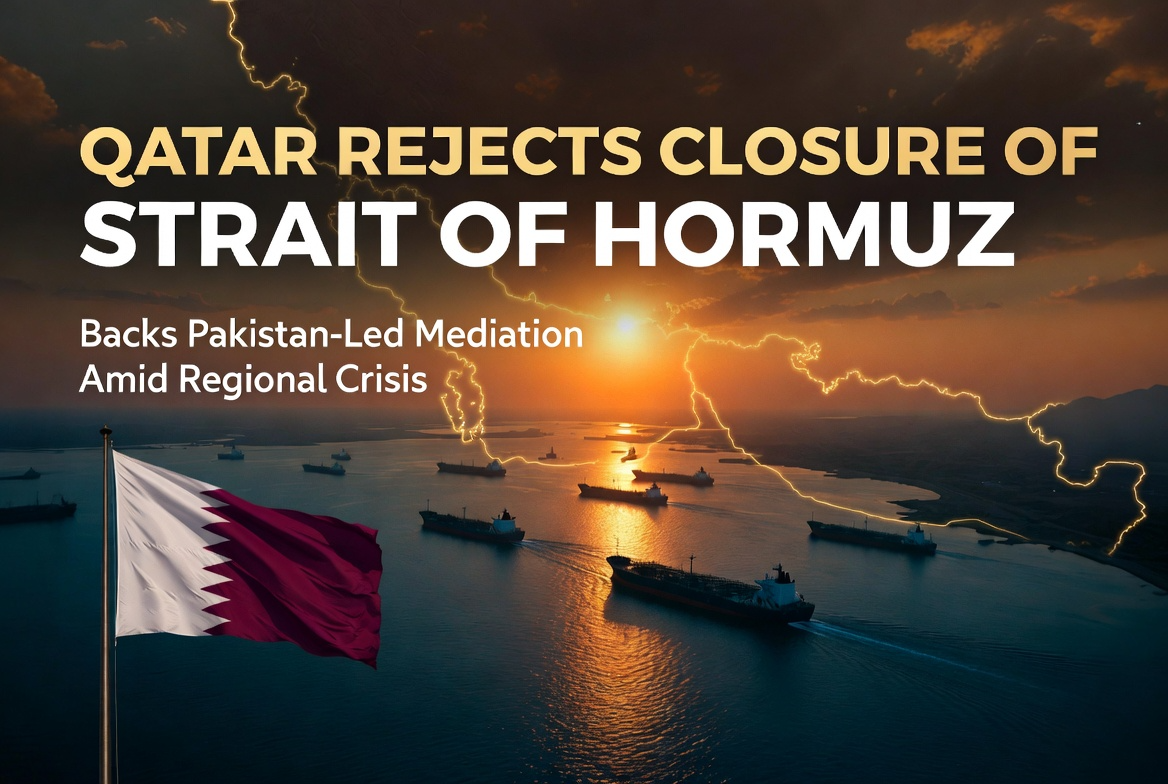
DOHA, QATAR April 28, 2026 – Advisor to the Prime Minister and Official Spokesperson for the Ministry of Foreign Affairs, Majed bin Mohammed Al Ansari, has reaffirmed Qatar’s categorical rejection of closing the Strait of Hormuz or using the vital waterway as a tool of political pressure amid the ongoing regional crisis.
Speaking during the Ministry’s weekly briefing, Al Ansari stated that preventing ships and tankers from passing through the strait is “unacceptable under any circumstances” and must remain open regardless of other considerations. He warned that any closure would carry severe global economic repercussions, threatening energy security, food security, and international supply chains.
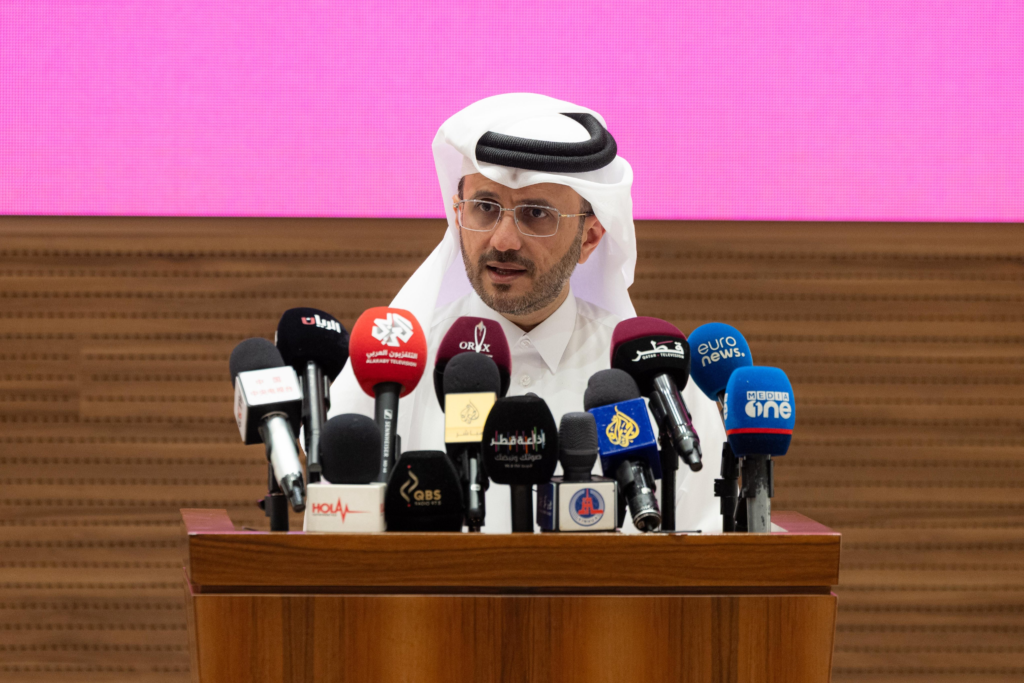
“Using the Strait of Hormuz as leverage in any military or political conflict is completely rejected,” he said. Qatar continues to prioritize the safety of workers on oil tankers and is closely monitoring developments related to reopening the strait.
The spokesperson expressed strong support for regional and international mediation efforts, particularly those led by Pakistan. He noted full coordination with Pakistani partners and highlighted recent visits by the Pakistani Prime Minister to several Gulf states as part of ongoing diplomatic initiatives aimed at resolving the crisis.
Regarding today’s Gulf Cooperation Council (GCC) consultative summit in Jeddah, Saudi Arabia, Al Ansari reaffirmed Qatar’s unwavering commitment to the Gulf system and collective action. He described the summit as a “natural step” following continuous coordination among GCC countries since the start of the crisis.
“The GCC position is clear: the solution should be diplomatic and reached as soon as possible,” he added. Al Ansari praised the GCC’s growing international role in mediation and conflict resolution.
On Qatar’s broader position, the spokesperson reiterated the country’s consistent call for dialogue and negotiated solutions to all crises. He confirmed that Qatar has taken all necessary military measures to safeguard its territory, successfully intercepting around 98% of missiles targeting it, while retaining its right to protect its sovereignty.
Al Ansari also reaffirmed Qatar’s continued support for Lebanon, including assistance to the Lebanese Armed Forces and coordination with international partners through the Quintet Committee. He expressed appreciation for European partners’ reliability during the conflict and stressed the need for comprehensive, sustainable solutions that serve the interests of all peoples in the region, including the Iranian people.
Qatar remains actively engaged in mediation across multiple regional files and will continue to back peaceful diplomatic efforts alongside partners such as Egypt and Türkiye.
The statement comes as Gulf leaders coordinate responses to the 2026 Iran-related tensions, with the Strait of Hormuz — a critical global energy chokepoint — at the center of international concern.
About The Author