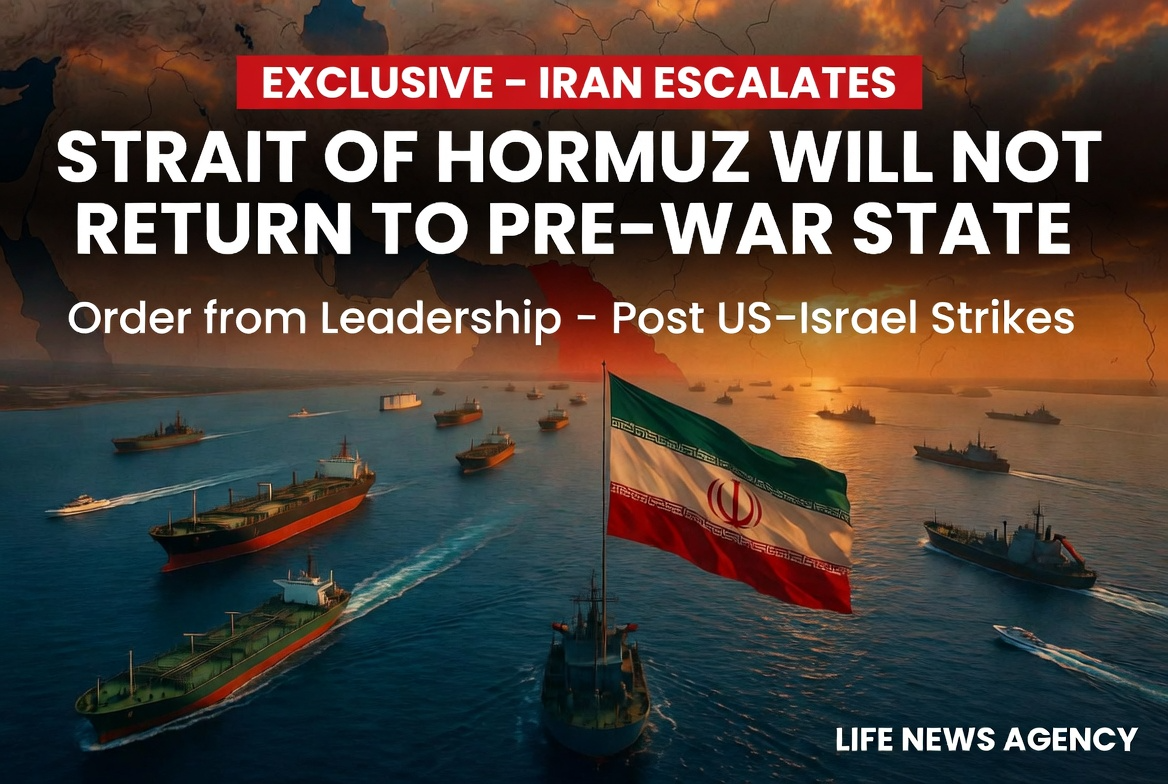
TEHRAN April 26, 2026 — In a significant escalation of rhetoric amid the fragile post-war ceasefire, Iran’s Deputy Parliament Speaker Ali Nikzad declared Sunday that the Strait of Hormuz “will not return to its previous state,” describing the decision as a direct order from the country’s leadership.
“We will not return the Strait of Hormuz to its previous state, and this is an order from the leadership,” Nikzad stated, echoing earlier warnings from Parliament Speaker Mohammad Bagher Ghalibaf and the Islamic Revolutionary Guard Corps (IRGC) that the strategic waterway has undergone “irreversible strategic changes.”
The announcement comes roughly two months after U.S.-Israeli strikes in February 2026 that killed Supreme Leader Ayatollah Ali Khamenei, triggering a brief but intense conflict that saw Iran close the strait, seize vessels, demand tolls, and impose heightened security measures. The United States responded with a counter-blockade, further disrupting one of the world’s most critical energy chokepoints.
The Strait of Hormuz, a narrow passage between the Persian Gulf and the Gulf of Oman, carries approximately one-fifth of global oil and liquefied natural gas (LNG) trade. Even partial disruptions have historically sent shockwaves through energy markets, driving up insurance premiums, rerouting tankers, and inflating shipping costs.
Iran has long viewed control of the strait as a core strategic asset. Officials have hinted at formalizing new transit fees — with some reports suggesting vessels could pay up to $2 million per transit — potentially generating billions in annual revenue. Multiple analysts note that Tehran now sees permanent leverage in the waterway as non-negotiable amid ongoing Pakistan-mediated talks between Iran and the West.
U.S. officials, including Secretary of State Marco Rubio, have rejected any Iranian attempt to impose permanent tolls or restrictions, insisting freedom of navigation must be restored. Despite the ceasefire, mutual blockades and ship seizures continue, keeping insurance rates elevated and forcing some tankers onto longer, costlier routes around Africa.
Market and Geopolitical Implications
Energy traders are already pricing in a “new normal” of higher volatility. Prolonged restrictions could permanently alter global oil routing, increase reliance on alternative suppliers, and keep risk premiums baked into crude futures. Shipping industry sources report extended voyage times and higher operating costs persisting well beyond any formal peace agreement.
The statement from Nikzad — a senior figure close to hardline elements in Tehran — signals that Iran intends to treat enhanced control of the strait as a lasting outcome of the conflict rather than a temporary wartime measure.
Life News Agency will continue monitoring developments in the Persian Gulf, Pakistan-brokered negotiations, and their direct impact on global energy security.
About The Author