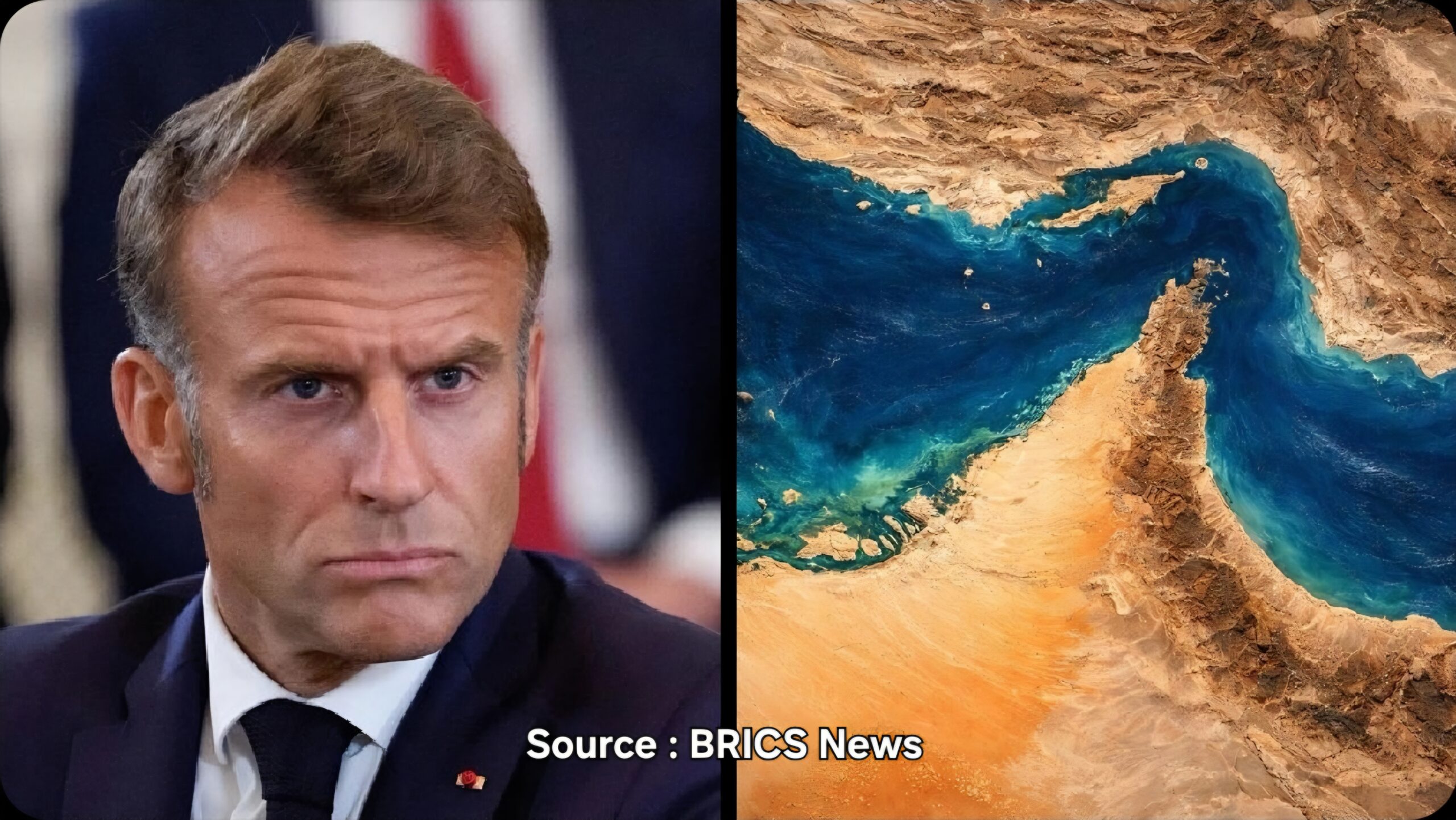
PARIS/SOUTH KOREA April 2, 2026 — French President Emmanuel Macron has declared that any attempt to forcibly reopen the Strait of Hormuz through military means would be “unrealistic,” warning that such an operation would be lengthy, highly risky, and expose vessels to Iranian ballistic missiles and naval forces.
The statement, made during Macron’s state visit to South Korea, comes as global energy markets grapple with severe disruptions to the critical waterway — a narrow chokepoint between the Persian Gulf and the Gulf of Oman that normally carries about one-fifth of the world’s oil supply.
“This was never the option we have supported because it is unrealistic,” Macron said. “It would take forever, and would expose all those who go through the strait to risks from the guardians of the revolution but also ballistic missiles.”
The comments echo France’s consistent position that it is not a party to the ongoing conflict involving Iran and will not participate in coercive operations to “liberate” the strait while hostilities continue. Paris has indicated willingness to join international escort missions for commercial shipping only once the situation calms and a diplomatic framework — including coordination with Iran — is in place.
The Strait of Hormuz has become a flashpoint in the escalating Middle East crisis. Iran has effectively controlled access, reportedly imposing high transit fees and deploying missiles, drones, and naval assets that have stranded vessels and driven up global oil prices. U.S. President Donald Trump has urged allies to help reopen the route, but Macron’s remarks highlight deepening divisions among Western partners over the use of force versus diplomacy.
Analysts note that any military push could trigger wider escalation, further destabilizing energy supplies and the global economy. France continues to advocate for de-escalation and negotiations to restore freedom of navigation without direct confrontation.
The development underscores the strategic vulnerability of global energy routes and the limits of military solutions in one of the world’s most contested maritime corridors.
About The Author