KUALA LUMPUR, MALAYSIA March 15, 2026 – The Kuala Lumpur City Hall (DBKL) is set to overhaul its problem-solving strategy by taking consultations directly to the community level, ensuring faster and more effective resolutions to residents’ concerns.
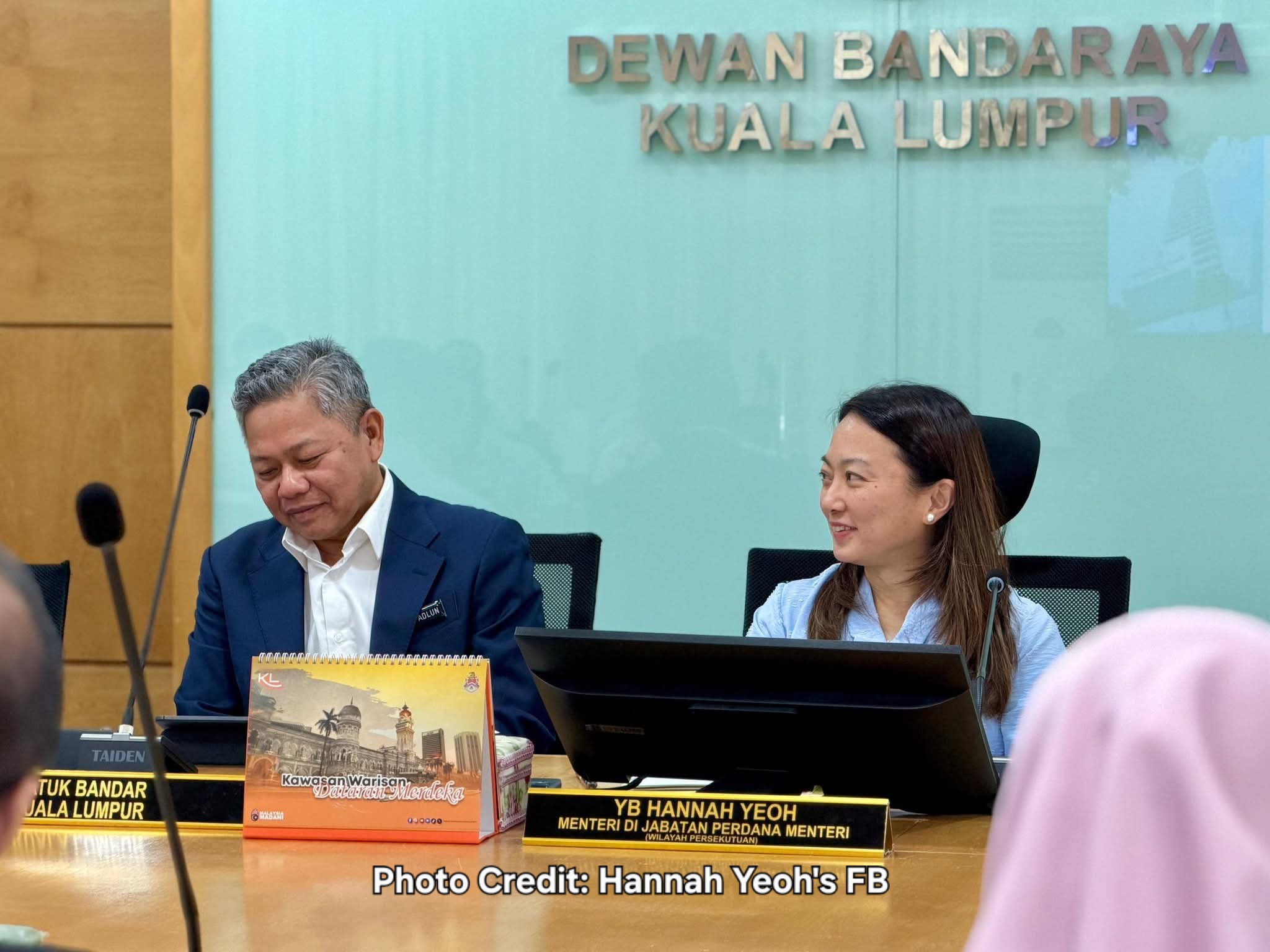
In a media statement released today, Minister in the Prime Minister’s Department (Federal Territories) Hannah Yeoh announced that she had chaired a Cabinet meeting attended by senior DBKL management and Kuala Lumpur Members of Parliament (MPs) to discuss the agency’s policies and administrative issues.
“The main focus is to ensure that the people’s problems are resolved at the community level, rather than just being discussed at headquarters,” Yeoh stated.
Starting from April 2026, the monthly Mayor’s Consultation Meeting will adopt a new format. These sessions will be held directly in each Parliamentary constituency, co-chaired by the local MP and an Executive Director representing the Mayor.
This shift aims to strengthen the role of DBKL’s branch offices in every Parliamentary area while deploying headquarters resources and expertise straight to the field. “This way, issues can be seen, understood, and resolved more swiftly,” the statement explained.
Relevant agencies and stakeholders will also be invited to participate, fostering better coordination and more impactful solutions.
Yeoh emphasized the importance of bridging the gap between city administration and on-the-ground realities. “City administration cannot be distant from the realities on the ground. With this approach, DBKL will be closer to the community so that the people’s issues can be addressed more quickly, accurately, and effectively,” she added.
The initiative comes amid ongoing efforts to improve urban governance in the federal capital, where rapid development often intersects with community-level challenges such as infrastructure maintenance, waste management, and public services.
DBKL, which oversees Kuala Lumpur’s municipal affairs, has faced criticism in the past for bureaucratic delays in handling local complaints. This new decentralized model is expected to empower local representatives and enhance responsiveness to residents’ needs.
Further details on the implementation schedule and specific locations for the inaugural meetings in April are anticipated in the coming weeks.
About The Author