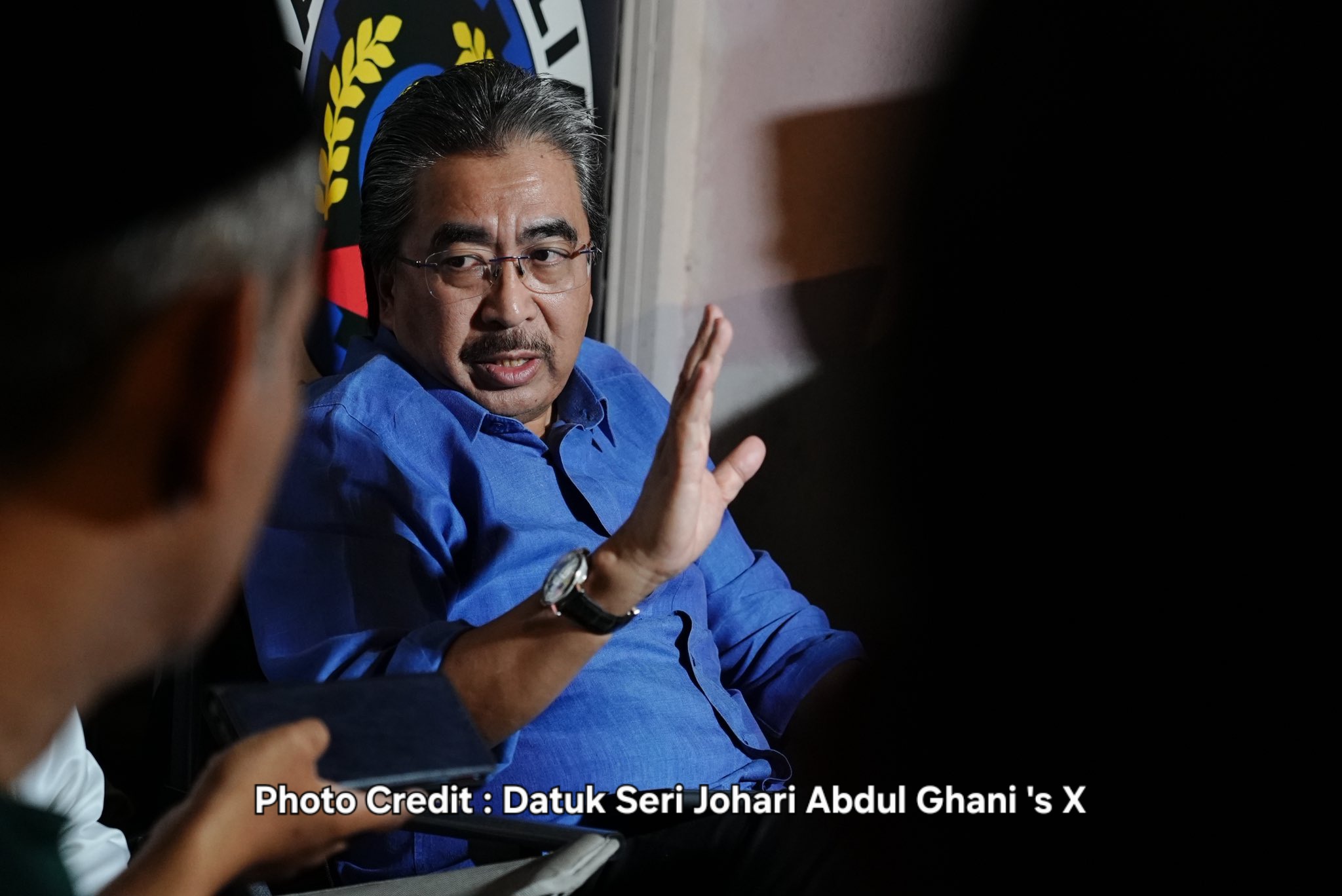
KUALA LUMPUR, MALAYSIA March 14, 2026 – Malaysia faces the risk of potential trade actions from the United States if an ongoing investigation under Section 301 of the US Trade Act of 1974 uncovers violations of international trade rules, according to Investment, Trade and Industry Minister Datuk Seri Johari Abdul Ghani.
The minister highlighted that the US could impose temporary tariffs of up to 10% under Section 122 of its trade law as an interim measure. Such tariffs could be applied within approximately five months while deeper probes continue.
The investigations, initiated recently by the Office of the United States Trade Representative (USTR), are not targeted solely at Malaysia. They encompass nearly 60 countries that maintain trade surpluses with the US, including Malaysia. A separate but related probe focuses on structural excess capacity and production in manufacturing sectors across about 16 economies, including Malaysia, while another addresses failures to enforce bans on goods produced with forced labor across the broader group of around 60 nations.
Johari explained that the Section 301 probe will scrutinize several key areas, such as:
– Potential export dumping, where products are sold to the US at prices significantly lower than domestic market rates, harming US industries.
– Compliance with international labor standards set by the International Labour Organization (ILO), including the prohibition of forced labor.
– Environmental protection practices.
– Government subsidies that may distort trade.
“This investigation is not just on Malaysia but on around 60 countries,” Johari stated. “As a nation that trades extensively with the US, with annual exports valued at approximately RM233 billion, we must ensure full compliance. Any Malaysian company exporting to the US needs to verify adherence to these conditions.”
The minister added that Malaysia will provide clarifications to the US authorities regarding allegations of excess production capacity and any claims related to forced labor. He emphasized that having excess capacity does not automatically equate to dumping products in the US market.
The US probes, which began in March 2026, involve requests for consultations with affected governments, public comment periods, and upcoming hearings. These developments stem from broader US efforts to address perceived unfair trade practices following recent legal and policy shifts.
Johari urged Malaysian exporters to proactively align with international standards on labor, environmental, and pricing practices to safeguard access to the critical US market. The government, through the Ministry of Investment, Trade and Industry (MITI), is committed to supporting compliance and engaging constructively with US counterparts to mitigate any adverse outcomes.
About The Author