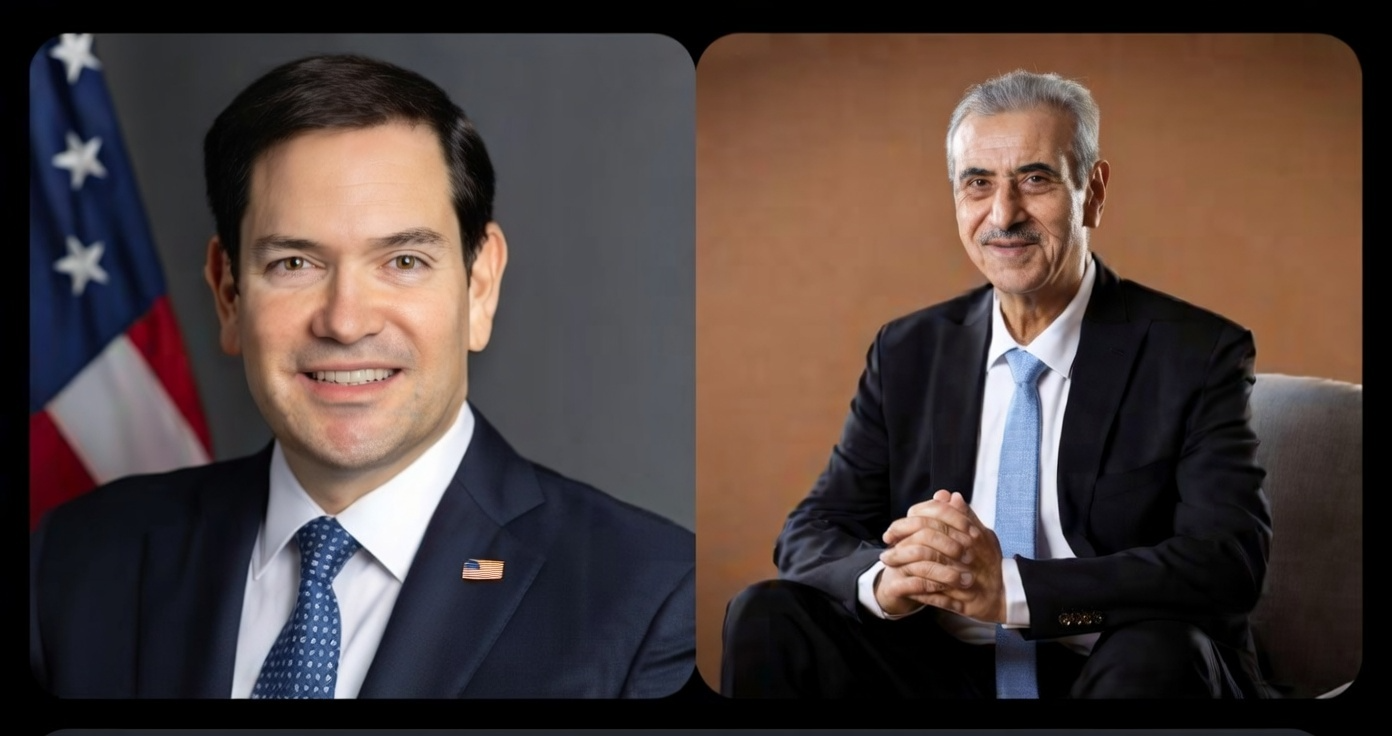
GAZA CITY January 17, 2026 – In a significant development amid ongoing efforts to stabilize the Middle East, U.S. Secretary of State Marco Rubio has voiced strong support for the newly formed National Committee for the Administration of Gaza (NCAG), signaling a collaborative push to rebuild the region under President Donald J. Trump’s peace initiative.
The announcement came via a post on X (formerly Twitter) from Rubio, who responded to a statement by Dr. Ali Shaath, the General Commissioner of the NCAG. Shaath, in his first official act, signed the committee’s mission statement, outlining a vision for transforming Gaza into a prosperous and peaceful territory.
Authorized by United Nations Security Council Resolution 2803 and Trump’s 20-Point Peace Plan, the NCAG aims to oversee the transitional governance of Gaza. The mission statement emphasizes rebuilding infrastructure, restoring essential services like electricity, water, healthcare, and education, and fostering a society based on peace, democracy, and justice.
“We are committed to establishing security, restoring the essential services that form the bedrock of human dignity… and cultivating a society rooted in peace, democracy, and justice,” the statement reads. It further pledges to operate with “the highest standards of integrity and transparency” while building a productive economy to replace unemployment with opportunities.
Under the guidance of the Board of Peace, chaired by President Trump, and with assistance from the High Representative for Gaza, the committee seeks to pave the way for Palestinian self-determination through peaceful means.
Rubio, serving as the 72nd Secretary of State in the Trump administration, expressed optimism about the partnership. “I look forward to working with Dr. Ali Shaath and the National Committee for the Administration of Gaza to build a better future for the people of Gaza and the entire region,” he stated.
Photos accompanying Shaath’s post depict a formal signing ceremony in an opulent room, with a group of suited officials gathered around a wooden desk. Shaath is shown seated, pen in hand, affirming the document, while colleagues stand in support. The imagery underscores the gravity of the moment, highlighting international collaboration in the post-conflict reconstruction.
This move comes as part of broader U.S. efforts to broker lasting peace in the Israeli-Palestinian conflict, following years of tension and recent diplomatic breakthroughs. Critics, however, have raised concerns about representation, noting the committee’s composition and potential influences from regional powers like Turkey and Qatar.
The NCAG’s formation marks a pivotal step toward implementing Trump’s peace plan, which has drawn both praise for its ambitious scope and scrutiny over its feasibility. As developments unfold, the international community will watch closely to see if this initiative delivers on its promises of prosperity and stability for Gaza’s residents.
About The Author