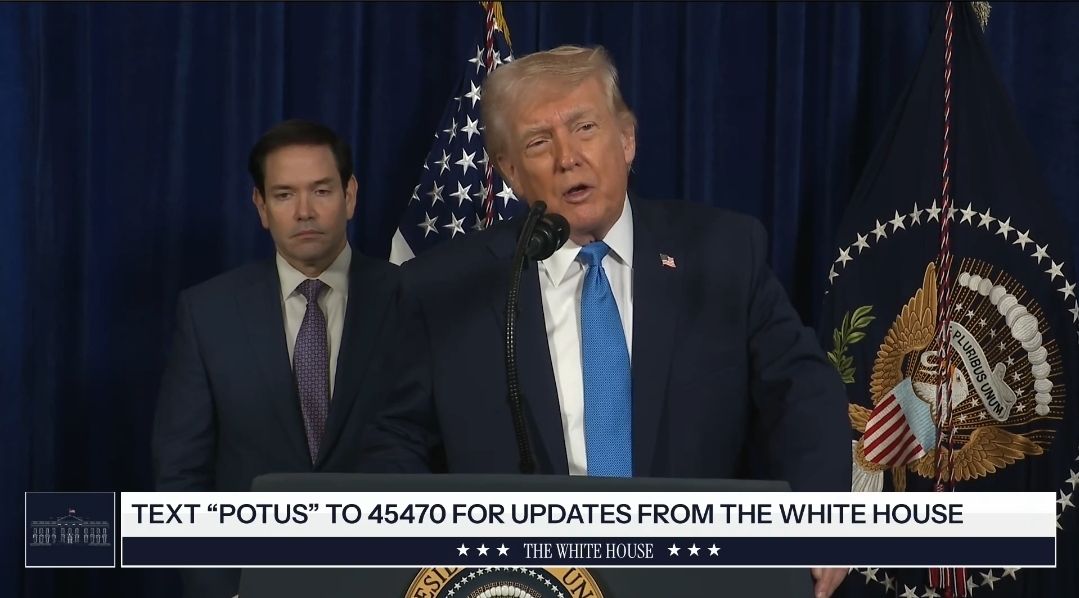
WASHINGTON, D.C. January 3, 2026 – In a bold and unprecedented move, President Donald Trump declared during a press conference on January 3 that the United States will assume control of Venezuela until a “safe, proper, and judicious transition” can be established. The announcement comes on the heels of a U.S.-led operation that resulted in the capture of former Venezuelan leader Nicolás Maduro, marking a dramatic escalation in American foreign policy toward the South American nation.
Speaking from the White House, Trump emphasized the need for stability in the region, stating, “We are going to run the country, until a safe, proper and judicious transition… We don’t want to be involved in someone else getting in with the same situation… We want peace, liberty and justice for the great people of Venezuela.” He further noted that American oil companies would be granted access to exploit Venezuela’s vast oil reserves, which he described as having been mismanaged “for a long period of time.”
The operation, described by U.S. officials as an “arrest with military support,” involved strikes that led to Maduro’s detention. Trump warned that the U.S. is prepared for a “second wave” of actions if necessary to ensure the transition.
“We’re gonna run it essentially until such time as a proper transition can take place,” he added, underscoring Washington’s intent to oversee the country’s administration during this interim period.
The press conference, broadcast live and shared via the official White House X account, has sparked a wave of reactions globally. Supporters hailed the move as a liberation for Venezuelans, with reports of celebrations in the streets of Caracas. Critics, however, condemned it as an illegal invasion and a violation of international law, warning that it could embolden other powers like China and Russia to pursue similar actions in their spheres of influence. One commentator remarked, “Trump is basically saying he will control Venezuela until he wants to,” raising concerns about sovereignty and long-term U.S. involvement.
Venezuela, home to the world’s largest proven oil reserves, has been plagued by economic collapse, hyperinflation, and political turmoil under Maduro’s regime. Trump’s intervention aims to “stabilize the region” and protect strategic resources, according to White House statements. The president suggested that the U.S. would facilitate emergency elections, potentially favoring allies in the process.
International responses have been mixed. Some Latin American leaders expressed cautious optimism for a democratic transition, while others decried the unilateral action. The move has also drawn parallels to past U.S. interventions in the region, such as in Iraq and Kuwait, with detractors arguing it prioritizes resource control over genuine reform.
As the situation unfolds, the White House has indicated that further details on the transition plan will be forthcoming. For now, Trump’s declaration positions the U.S. as the de facto administrator of Venezuela, a development that could reshape hemispheric relations for years to come.
About The Author