WASHINGTON, D.C. January 3, 2026 – In a stunning escalation of tensions between the United States and Venezuela, President Donald Trump announced early Saturday that U.S. military forces had conducted a “large-scale strike” on Venezuela, resulting in the capture of Venezuelan President Nicolás Maduro and his wife, Cilia Flores. The operation, described as a precision raid involving elite special forces, marks one of the most direct U.S. interventions in Latin America since the 1989 invasion of Panama.
Trump made the announcement via his social media platform, Truth Social, stating: “The United States of America has successfully carried out a large scale strike against Venezuela and its leader, President Nicolas Maduro, who has been, along with his wife, captured and flown out of the Country.”The Venezuelan government quickly declared a national emergency, with Vice President Delcy Rodríguez accusing the U.S. of “state terrorism” and demanding “proof of life” for Maduro and Flores.
According to U.S. officials, Maduro was apprehended by the Army’s Delta Force during pre-dawn airstrikes on multiple locations in northern Venezuela, including military sites in Caracas. The strikes caused widespread power outages and explosions that rocked the capital, with reports of low-flying jets and Chinook helicopters—equipment unique to U.S. forces in the region. A U.S. official confirmed to Reuters that the capture was executed swiftly, ending the Maduro regime’s hold in under 30 minutes. Secretary of State Marco Rubio informed Republican Senator Mike Lee that Maduro would stand trial in the U.S. on longstanding criminal charges, with no further military action anticipated.
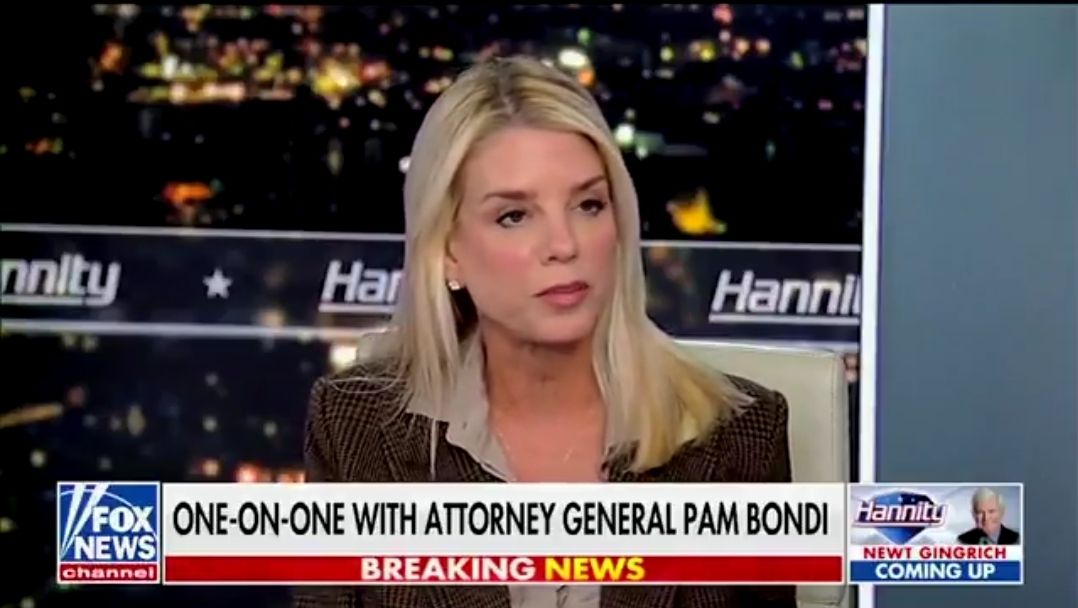
The U.S. Department of Justice, led by Attorney General Pamela Bondi, followed Trump’s announcement with details of the indictments unsealed in the Southern District of New York. Maduro faces charges including narco-terrorism conspiracy, cocaine importation conspiracy, possession of machine guns and destructive devices, and conspiracy to possess such weapons. Bondi praised Trump for his “courage to demand accountability” and thanked the military for the “highly successful mission” to capture the “alleged international narco traffickers.” These charges stem from a 2020 indictment accusing Maduro of leading a “narco-terrorism partnership” with Colombian rebels to flood the U.S. with cocaine.
Background and Build-Up
Maduro, who has ruled Venezuela since 2013 amid economic collapse, hyperinflation, and allegations of election fraud, has long been a target of U.S. sanctions. The Trump administration had ramped up pressure in recent months, viewing Maduro’s regime as a source of regional instability and drug trafficking. The operation echoes the 1989 capture of Panamanian leader Manuel Noriega, who was also extradited to the U.S. for drug-related charges—exactly 35 years to the day.
Venezuelan officials reported explosions and aircraft over Caracas around 2:00 a.m. local time, leading to chaos in the city. Photos from the scene showed smoke rising from targeted sites, though casualty figures remain unconfirmed. The Venezuelan defense minister vowed resistance, but the regime appeared in disarray following the raid.
International and Domestic Reactions
The move has drawn sharp international criticism. Cuba denounced the action as “criminal” and an act of “state terrorism” against the Venezuelan people. In Latin America, reactions were mixed: Argentine President Javier Milei celebrated the news, while Colombia sealed its borders amid fears of refugee influxes. Critics, including some U.S. observers, labeled it an “ugly face of American imperialism,” raising concerns about potential coups or prolonged instability in the region. One X user questioned the operation’s legitimacy, calling it a possible prelude to installing a new U.S.-backed leader, similar to past interventions in Chile.
Domestically, supporters hailed it as a bold step against drug trafficking and authoritarianism. On X, celebratory posts included memes and declarations of “mission accomplished,” with one user noting, “Trump on demon timing” after the swift capture. Others expressed skepticism, with one suggesting the capture felt like an “agreement” rather than a forced extraction. Progressive voices in the U.S. warned of escalation, likening it to endless wars Trump had previously criticized.
What Happens Next?
A White House press conference is scheduled for 11 a.m. ET, where more details on the operation and Maduro’s trial are expected. Maduro’s net worth, estimated in the billions amid allegations of corruption, could become a focal point in asset forfeiture proceedings. Analysts suggest this could reshape Latin American geopolitics, potentially ending Venezuela’s crisis or sparking new conflicts.
The operation underscores the U.S.’s military dominance, achieving in minutes what Russia has struggled to accomplish in Ukraine over years, as one commentator noted. As the dust settles, the world watches to see if this marks the end of the Maduro era or the beginning of broader regional turmoil.
About The Author