By: Professor Dato Dr Ahmad Ibrahim
In December 2019, a team of researchers published an academic paper titled “Tourism of the Future – An Ongoing Challenge.” Reading it today is an exercise in poignant foreshadowing. The study, prescient and thorough, diagnosed the chronic ailments of a booming industry. What it couldn’t anticipate was the acute, global trauma that would hit just weeks later, putting all its theories through a merciless, real-world stress test. The authors, led by Adriana Vintean, outlined a future dominated by three pressing challenges: the imperative of sustainability, the double-edged sword of technology, and the crisis of overtourism. Their findings were a clear-eyed critique of pre-pandemic “business as usual.”
On sustainability, the paper was unequivocal: the model of mass, resource-intensive travel was untenable. It called for a systemic shift towards regenerative tourism—where destinations aren’t just protected but actively improved by visitor activity. This wasn’t just niche eco-tourism; it was a mandate for the entire industry to integrate environmental and social costs into its balance sheet. The “future” they described was one where tourists would demand green credentials and low-impact experiences, forcing a top-to-bottom reevaluation of how we move, stay, and play.
On technology, the study foresaw a hyper-connected journey. AI-powered personalization, the Internet of Things in hotel rooms, and big data analytics were predicted to streamline experiences. But wisely, the authors flagged the risks: a loss of authentic human interaction, privacy concerns, and the digital divide potentially excluding less tech-savvy travelers. The future tourist, they suggested, would balance digital convenience with the irreplaceable value of real-world discovery.
Most immediately relevant in 2019 was their analysis of overtourism. From Barcelona to Bali, the symptoms were clear: degraded resident quality of life, environmental strain, and a homogenization of culture. The paper discussed solutions like dispersing visitors, promoting off-season travel, and implementing smart destination management. It was a plea for managing growth before it managed—and ruined—the destinations themselves.
Then, COVID-19 hit. The “ongoing challenge” suddenly became a fight for survival. Overtourism evaporated into zero-tourism. The critique of mass travel was rendered moot by closed borders. Technology’s role pivoted from enhancement to essential—for contactless services, virtual tours, and health passports.
So, what does this 2019 prophecy tell us about tourism today? It reveals that the pandemic was not a reset button, but a brutal accelerator. The sustainable, resilient, and community-focused model the academics advocated is no longer a progressive ideal; it’s an urgent necessity. The industry’s recovery is paradoxically its greatest opportunity to rebuild along the lines Vintean and her colleagues suggested. Travelers now explicitly seek less crowded, more meaningful, and outdoor-oriented experiences—aligning perfectly with the sustainability and dispersion goals of the 2019 study. Furthermore, technology’s role has been cemented, but the warning about authenticity remains. As we embrace digital tools, the core product—human connection, cultural exchange, and wonder—must be safeguarded at all costs.
In conclusion, the true value of this 2019 study is its roadmap. The pandemic didn’t invalidate its findings; it violently proved them correct. The pre-existing conditions of overtourism and environmental neglect made the industry more vulnerable. The path forward was already charted: towards resilience, balance, and responsibility. The challenge now is whether an industry in recovery has the courage to follow that map, rather than simply rushing back to the crowded, fragile shores of the past. The “Tourism of the Future” they analyzed is no longer a distant concept—it’s the only viable destination.
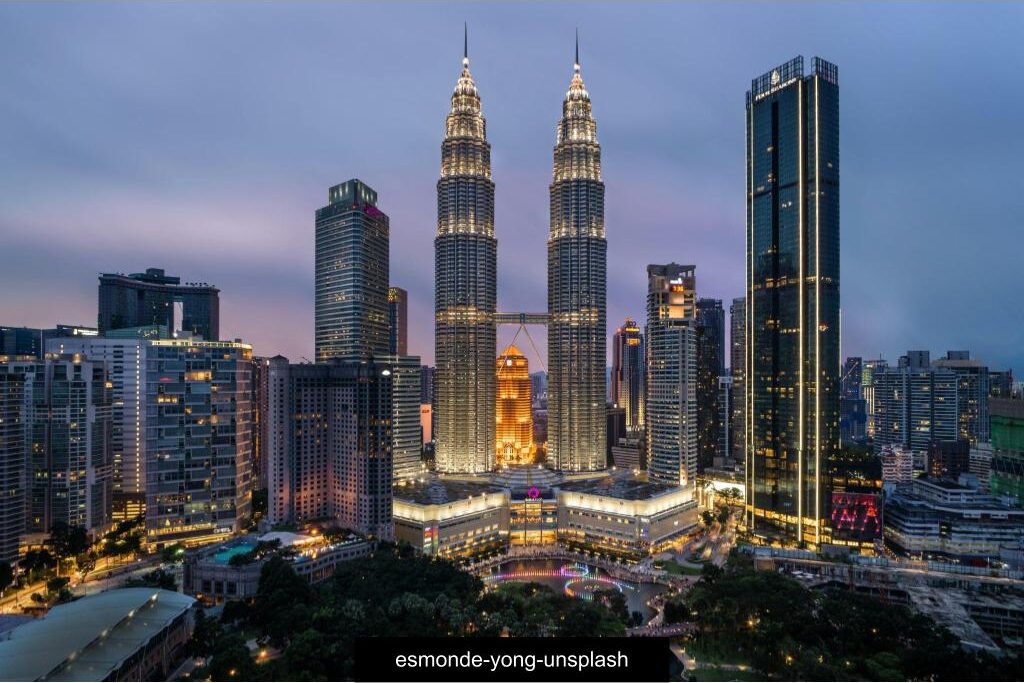
Tourism is also a major revenue earner for Malaysia. The government has been investing in developing new tourism products. In 2024, Malaysia’s tourism industry significantly rebounded, contributing 15.1% to the GDP (RM291.9 billion) and 21.6% to total employment, driven by a 41.1% surge in inbound expenditure. Shopping, food/beverage, and accommodation are the primary revenue drivers, with inbound tourism regaining dominance over domestic expenditure. More can be done especially in the areas of eco and agro tourism. Agro-tourism can be a powerful tool to invigorate the rural economy. The year 2026 has been declared as visit Malaysia year. It is time to further diversify the country’s tourism offerings.

The author is affiliated with the Tan Sri Omar Centre for STI Policy Studies at UCSI University and is an Adjunct Professor at the Ungku Aziz Centre for Development Studies, Universiti Malaya
About The Author