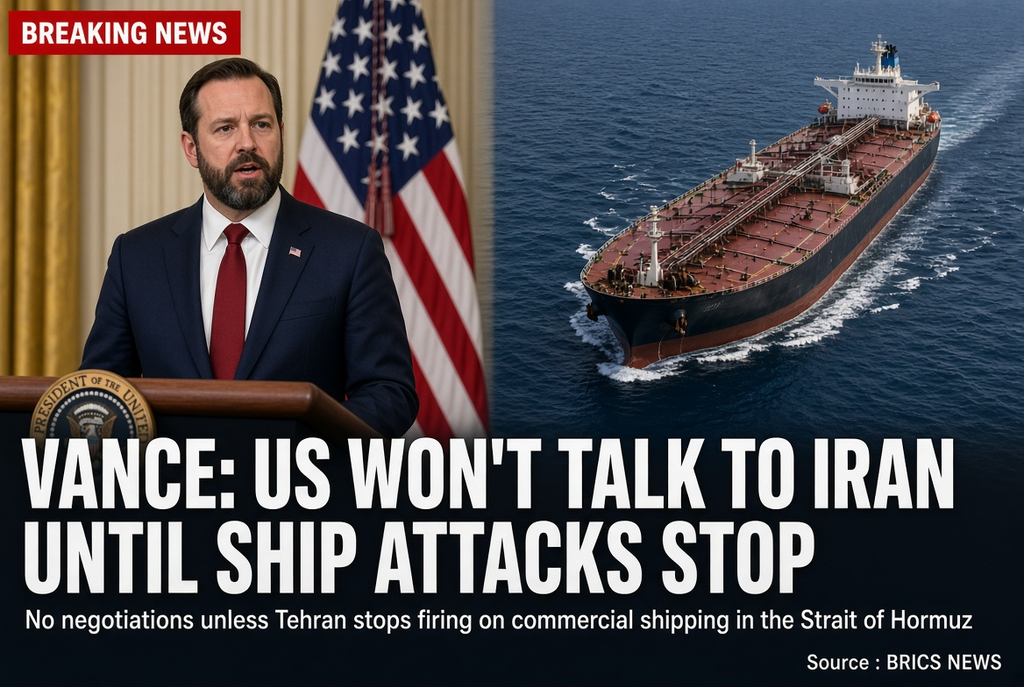
WASHINGTON D.C Sept 3, 2026 – Vice President JD Vance said Thursday the United States will not resume negotiations with Iran until Tehran stops attacking commercial ships, tying any return to diplomacy to an end to strikes in the Strait of Hormuz.
“We’re not talking to them, and we’re not going to talk to them unless they stop shooting at commercial shipping,” Vance told reporters during a White House briefing on September 3.
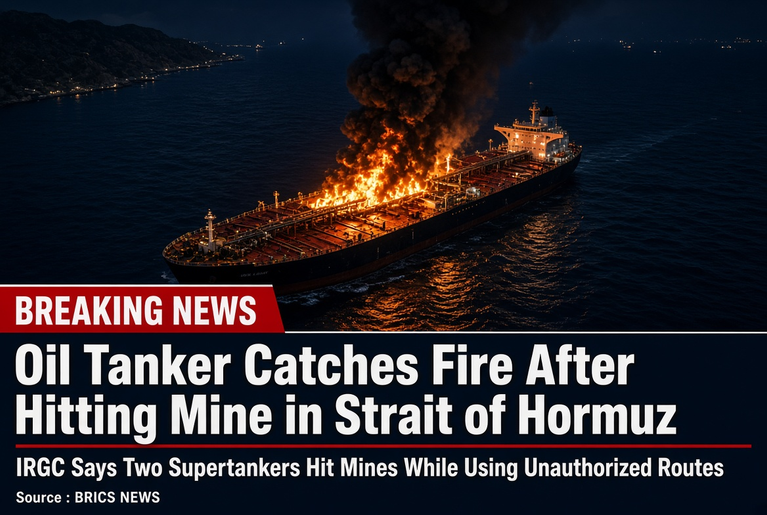
The comment came as Washington and Tehran remain locked in a conflict that began in late February. U.S. officials say Iranian forces have repeatedly tried to disrupt oil traffic through the strait, a chokepoint that carries a large share of the world’s seaborne crude. The Trump administration responded earlier with a counter-blockade and has launched additional strikes after what it described as renewed interference with commercial shipping.
Vance said Iran had already signed an agreement pledging to stop those attacks and then “almost immediately went back to shooting at commercial shipping.” He argued the attacks are a main reason U.S. gasoline prices remain elevated and declined to promise a return to $3-a-gallon fuel. At the same time, he said about 15 million barrels of oil still moved through the strait the previous day and that U.S. naval operations had prevented a broader energy shock.
An earlier diplomatic track has collapsed. Vance previously led talks that produced a memorandum of understanding, including a 60-day negotiating window in June aimed at keeping Hormuz open and preventing Iran from rebuilding nuclear infrastructure. That arrangement is now treated as abandoned after subsequent clashes.
Vance framed the current U.S. position as two-fold: keep Iran from reconstituting a nuclear weapons program, and keep commercial shipping moving so global energy markets do not seize up. “Our message to the Iranians is simple,” he said. “You’ve got to stop shooting at commercial shipping.”
The statement leaves talks on hold. Washington says diplomacy will not restart while vessels in the strait remain under fire. Iran has not publicly accepted that precondition, and the waterway remains both a military flashpoint and a driver of energy-price risk.
About The Author