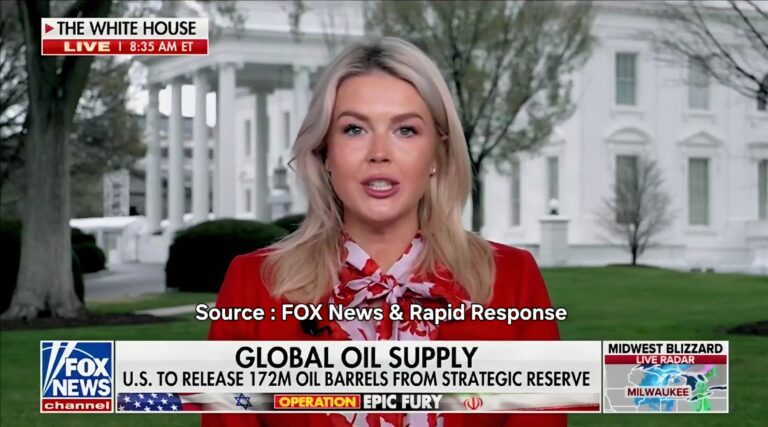
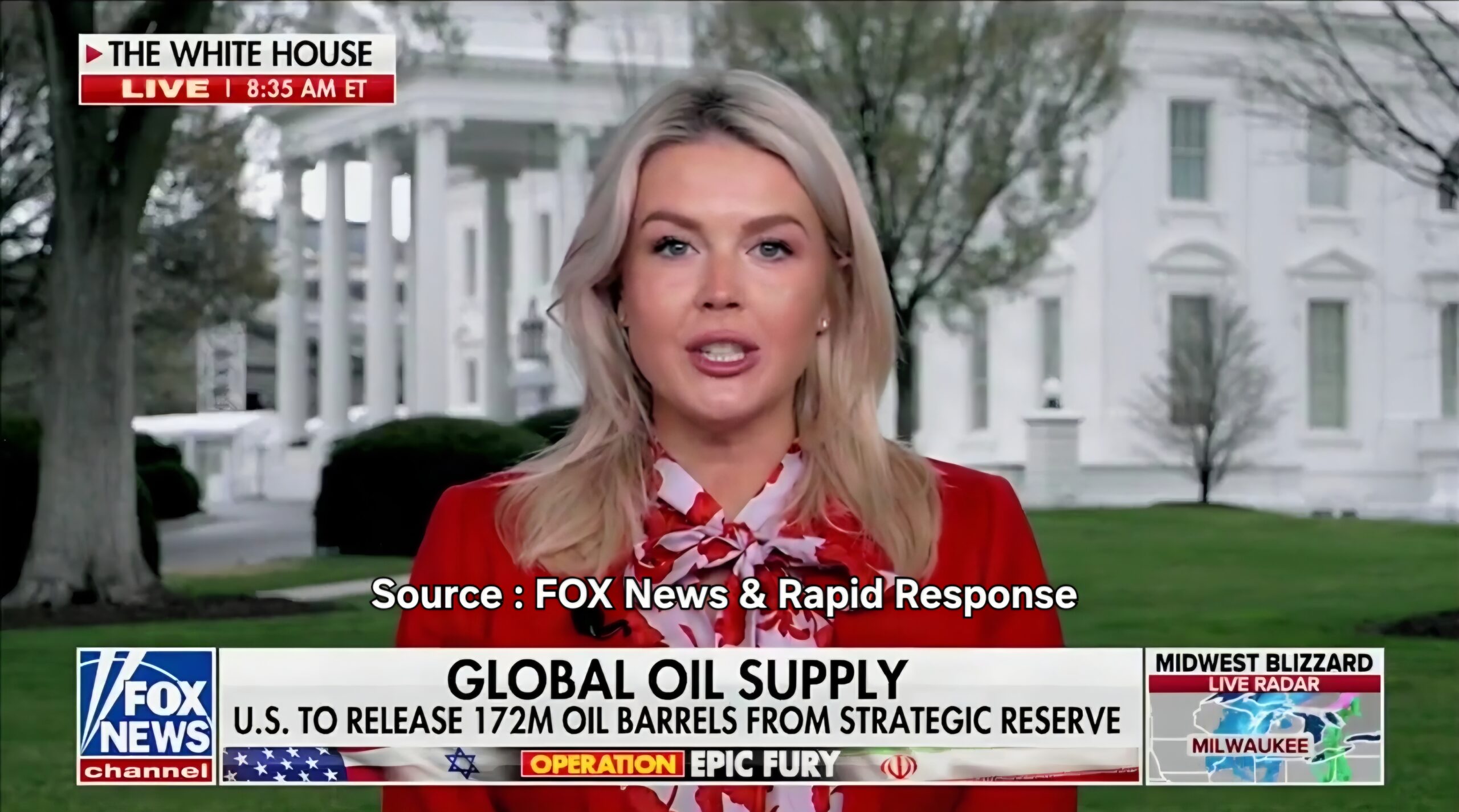
WASHINGTON D.C March 16, 2026 – In a recent White House press briefing, Press Secretary Karoline Leavitt emphasized the need for NATO allies and partners in the Gulf to increase their efforts in reopening the Strait of Hormuz, as the United States continues its military campaign against Iran under Operation Epic Fury. The operation, now on its 16th day, aims to dismantle Iran’s ballistic missile capabilities, navy, and nuclear ambitions, according to official statements.
Leavitt stated that President Donald J. Trump is actively engaging with European allies and Arab partners to bolster support for securing the vital waterway, which has been disrupted amid the conflict. “Our NATO allies especially need to step up,” she said, highlighting Trump’s past success in pushing NATO members to increase defense spending to up to 5 percent. The US has led the charge, hitting over 7,000 targets, sinking more than 100 Iranian naval vessels, and reducing Iranian drone strikes by 95 percent.
The campaign, launched on February 28, 2026, under the directives of President Trump, seeks to prevent Iran from obtaining a nuclear weapon, destroy its missile arsenal, degrade proxy networks, and annihilate its navy. Joint efforts with Israel, dubbed Operation Roaring Lion on their side, have reportedly struck over 15,000 targets in total, with Iranian missile launches declining by 90 percent and drone attacks by 95 percent. US Secretary of War Pete Hegseth noted that Iran’s air force, navy, and air defenses have been effectively neutralized, and its defense industrial base is nearing complete destruction.
In response to global oil supply disruptions caused by the conflict, the US announced the release of 172 million barrels from its Strategic Petroleum Reserve to stabilize markets. This move comes as tensions in the Middle East intensify, with reports of widespread flight cancellations and travel alerts.
Iran has vowed a decisive response to the strikes, labeling them as aggression and launching retaliatory missile and drone attacks under Operation True Promise IV. Iranian forces have targeted US bases, Israel, and Arab nations, with over 2,700 drones, 1,196 ballistic missiles, and 28 cruise missiles fired since the war began, many aimed at the UAE. Casualties include 13 US service members killed, including six in a recent drone attack in Kuwait, and estimates of 4,000 to 5,000 Iranian soldiers and commanders lost.
International reactions vary. Many Asian and European leaders have condemned the US-Israeli attacks or called for de-escalation, while others have criticized Iran’s retaliatory strikes. Legal experts question the operation’s compliance with international law, viewing it as a continuation of prior hostilities but debating the justification for self-defense in an ongoing conflict. Critics argue the US aims are contradictory, mixing counterproliferation with regime change aspirations.
President Trump has described the campaign as an “unprecedented success,” claiming Iran is “essentially defeated” and urging allies to contribute more to regional security. As operations intensify, with the US planning its heaviest day of strikes yet, the global community watches closely for signs of resolution or further escalation.
About The Author