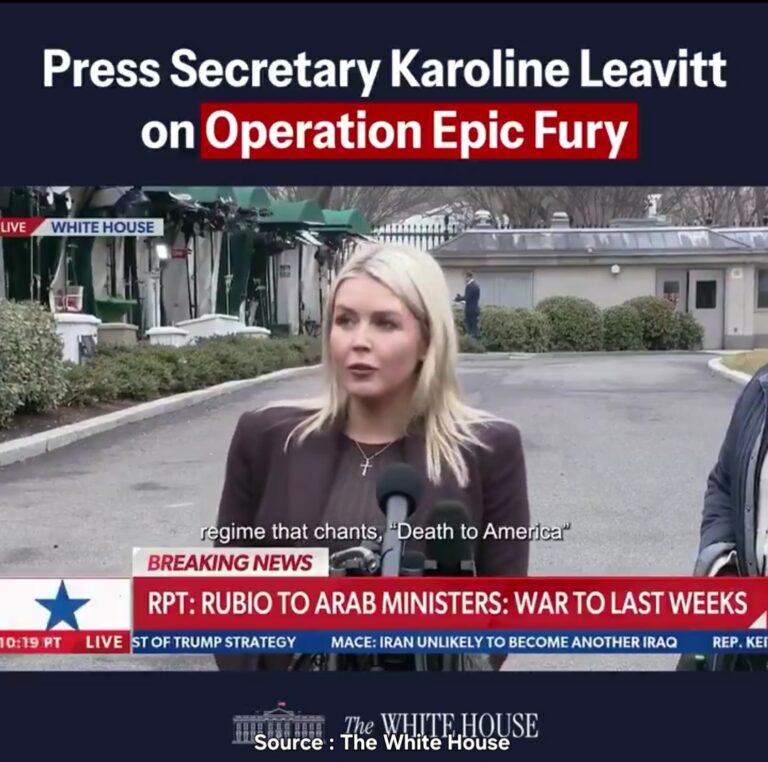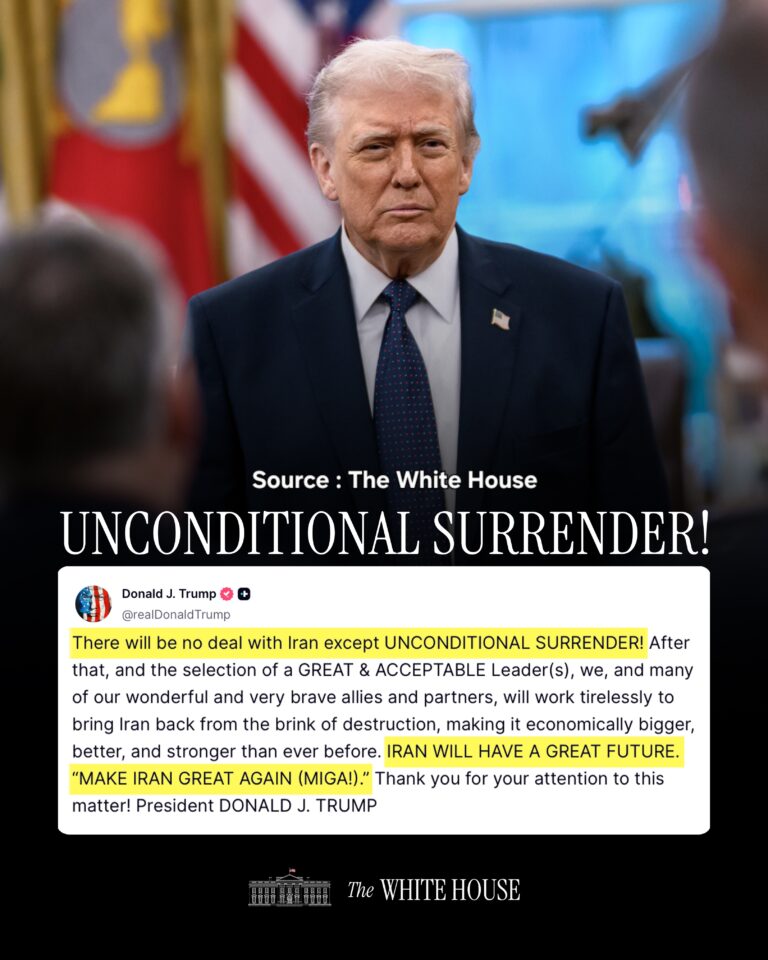
WASHINGTON D.C March 6, 2026 – In a stark escalation of the ongoing conflict, US officials have announced that tonight will feature the most extensive bombing campaign against Iran since the initiation of Operation Epic Fury, targeting key missile production facilities to further degrade Tehran’s military capabilities.
The statement came during a Fox Business segment featuring host Larry Kudlow interviewing former Energy Secretary Rick Perry from the White House grounds. Perry emphasized the operation’s progress, stating, “Tonight will be our biggest bombing campaign and we’ll do the most damage to two of the Iranian missile launchers, the factories that build missiles. We are substantially degrading them.” The banner during the broadcast proclaimed “Trump: Operation Epic Fury is Ahead of Schedule,” highlighting the administration’s confidence in the campaign’s momentum.
Operation Epic Fury, launched on February 28, 2026, under direct orders from President Donald Trump, is a joint US-Israeli military effort aimed at dismantling Iran’s security infrastructure. According to Secretary of War Pete Hegseth, the mission is “laser-focused” on destroying Iranian offensive missiles, missile production sites, naval assets, and ensuring Iran never acquires nuclear weapons. In the first 100 hours alone, US forces struck nearly 2,000 targets, firing over 2,000 munitions, and have since sunk more than 30 Iranian vessels, effectively neutralizing much of Iran’s navy.
US Central Command (CENTCOM) has released footage of strikes, including B-2 stealth bombers deploying 2,000-pound bunker-busters against Iran’s Shahid Bagheri drone carrier in the Gulf. Admiral Brad Cooper, CENTCOM Commander, confirmed the vessel was left ablaze, part of a broader effort to establish total air and sea dominance. The campaign has also targeted deeply buried ballistic missile launchers and command facilities, resulting in the reported death of Iran’s Supreme Leader Ayatollah Ali Khamenei and nearly 50 other regime leaders in the opening strikes.
Iran’s response has been multifaceted and aggressive. Tehran has launched missile and drone strikes on US bases across the Middle East, including Al Udeid in Qatar, Al Dhafra in the UAE, and facilities in Bahrain, Kuwait, and Jordan. Reports indicate over 500 ballistic missiles and 2,000 drones have been fired in retaliation, resulting in the deaths of six US servicemembers in Kuwait and strikes on civilian infrastructure. Iranian forces have also expanded the conflict geographically, with incidents reported as far as Sri Lanka, where a US submarine sank an Iranian frigate. Cyber operations and proxy activations have further complicated the theater, with Iran aiming to impose costs without triggering full-scale escalation.
Critics, including international legal experts, have condemned the operation as a violation of international law, citing the lack of an ongoing armed attack justifying self-defense and the explicit goal of regime change. A reported strike on a girls’ school in Minab, killing nearly 100 children, has drawn particular outrage and accusations of war crimes. Iran’s Foreign Ministry has decried the attacks as a breach of good faith during nuclear negotiations.
Despite the intensity, US officials assert the campaign is succeeding, with missile attacks from Iran dropping by 90% and no shortage of munitions or resolve. Hegseth warned that strikes will continue “from seabed to space and cyberspace” until objectives are met. As the conflict enters its second week, global markets remain volatile, with oil prices surging amid fears of broader regional instability.
Life News Agency will continue monitoring developments in this rapidly evolving situation.
About The Author