WASHINGTON D.C February 22, 2026 – The United States government has officially confirmed its provision of intelligence support to Mexican authorities in a high-stakes operation that resulted in the death of Nemesio “El Mencho” Oseguera Cervantes, the elusive and powerful leader of the Jalisco New Generation Cartel (CJNG). This development marks a significant blow to one of the world’s most ruthless drug trafficking organizations, amid escalating bilateral efforts to combat narcoterrorism.
The operation unfolded on Sunday in Tapalpa, Jalisco, approximately two hours southwest of Guadalajara. Mexican special forces, backed by intelligence from U.S. agencies, engaged in a firefight with cartel members. El Mencho was wounded during the confrontation and succumbed to his injuries while being airlifted to Mexico City for medical treatment.
According to Mexico’s Defense Ministry, four cartel operatives were killed on-site, three more—including El Mencho—died from wounds sustained, and two were arrested. Three Mexican soldiers were also injured and are receiving care.
El Mencho, whose real name is Nemesio Rubén Oseguera Cervantes, rose from humble origins as a former police officer to become one of the most wanted criminals globally. Under his leadership, the CJNG expanded into a formidable empire, notorious for trafficking fentanyl, methamphetamine, and cocaine into the United States, as well as extreme violence within Mexico, including mass attacks on security forces and territorial wars with rival cartels. The U.S. had offered a $10 million reward for information leading to his capture, and last year, President Trump designated the CJNG as a Foreign Terrorist Organization, emphasizing its role in the fentanyl crisis plaguing American communities.
White House Press Secretary Karoline Leavitt stated that the U.S. intelligence assistance was crucial to the mission’s success, highlighting President Trump’s commitment to holding “narcoterrorists” accountable for flooding the U.S. with deadly drugs. “The Trump Administration commends and thanks the Mexican military for their cooperation and successful execution of this operation,” Leavitt added. A U.S. defense official revealed that a newly formed Joint Interagency Task Force-Counter Cartel, launched late last year, played a key role in gathering and sharing intelligence on cartel networks across the border. This task force reportedly involved specialized training from U.S. Navy SEALs for Mexican units involved in the raid.
The operation has triggered widespread violence across several Mexican states, including Jalisco, Michoacán, Guerrero, Tamaulipas, and Nuevo León. Cartel members, in apparent retaliation, have set up roadblocks, torched vehicles, and even excavated highways to disrupt travel, turning parts of the country into chaos. Reports from on-the-ground sources indicate unconfirmed rumors about El Mencho’s final moments, with some suggesting he was alive when boarded onto a military aircraft but dead upon arrival.
In response to the unrest, the U.S. State Department issued an urgent advisory for American citizens in affected areas to shelter in place and avoid travel. Deputy Secretary of State Christopher Landau praised the outcome as a “great development for Mexico, the US, Latin America, and the world,” while acknowledging the risks to civilians in CJNG strongholds.
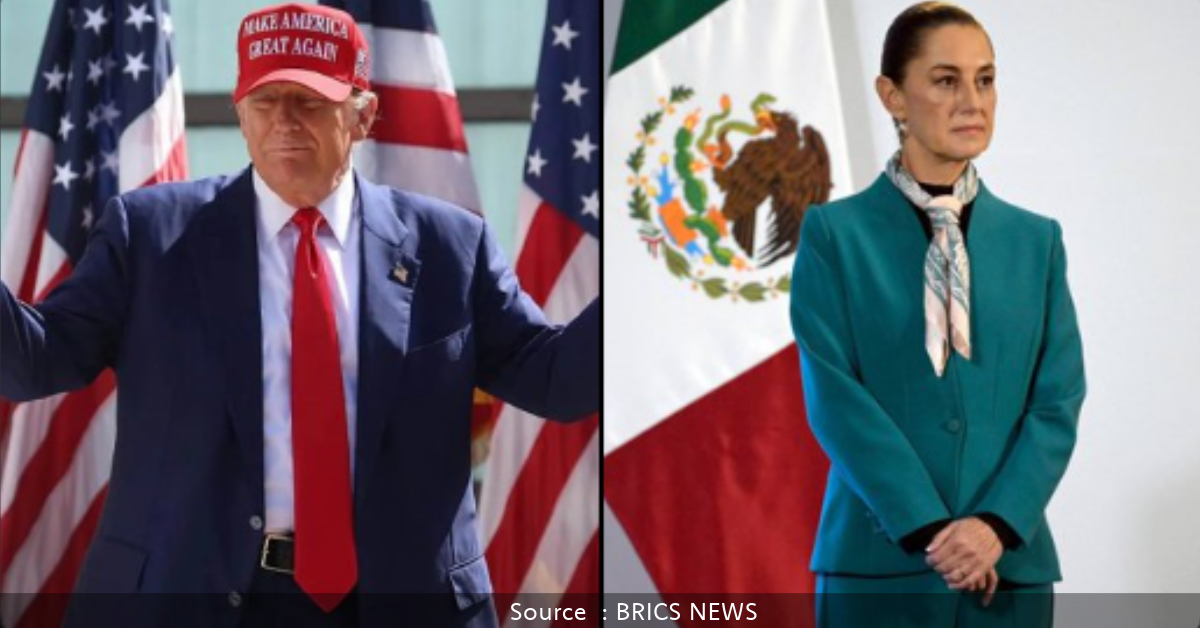
While the death of El Mencho represents a major victory in the ongoing war against drug cartels, experts warn it could lead to internal power struggles within the CJNG, potentially escalating violence as factions vie for control. Mexican President Claudia Sheinbaum urged calm, emphasizing the need for continued cooperation with the U.S. to dismantle criminal networks. On social media, reactions ranged from celebrations of the takedown to political debates, with some users crediting the Sheinbaum administration for achieving what predecessors could not.
This joint U.S.-Mexico effort underscores the intensifying pressure from the Trump administration on Mexico to deliver results against cartels, amid threats of tariffs and other measures if cooperation falters. As the dust settles, the long-term impact on drug trafficking routes and cartel dynamics remains uncertain, but for now, it signals a renewed resolve in the bilateral fight against organized crime.
About The Author