By Bazli Razak
TANJONG MALIM, 2 April, 2026 – Universiti Pendidikan Sultan Idris (UPSI) has strengthened its international network through the organisation of a language and cultural exchange programme titled “Beyond The Border: Language & Cultural Exploration”, held from March 29 to April 4, 2026 at Scholar’s Suites, Sultan Azlan Shah Campus here.
Vice-Chancellor, Prof Datuk Dr Md Amin Md Taff said the programme, organised by the International Language Academy (AKAR), Faculty of Languages and Communication (FBK), involved a total of 34 participants from Japan, comprising primary school students, secondary school students as well as adult participants.
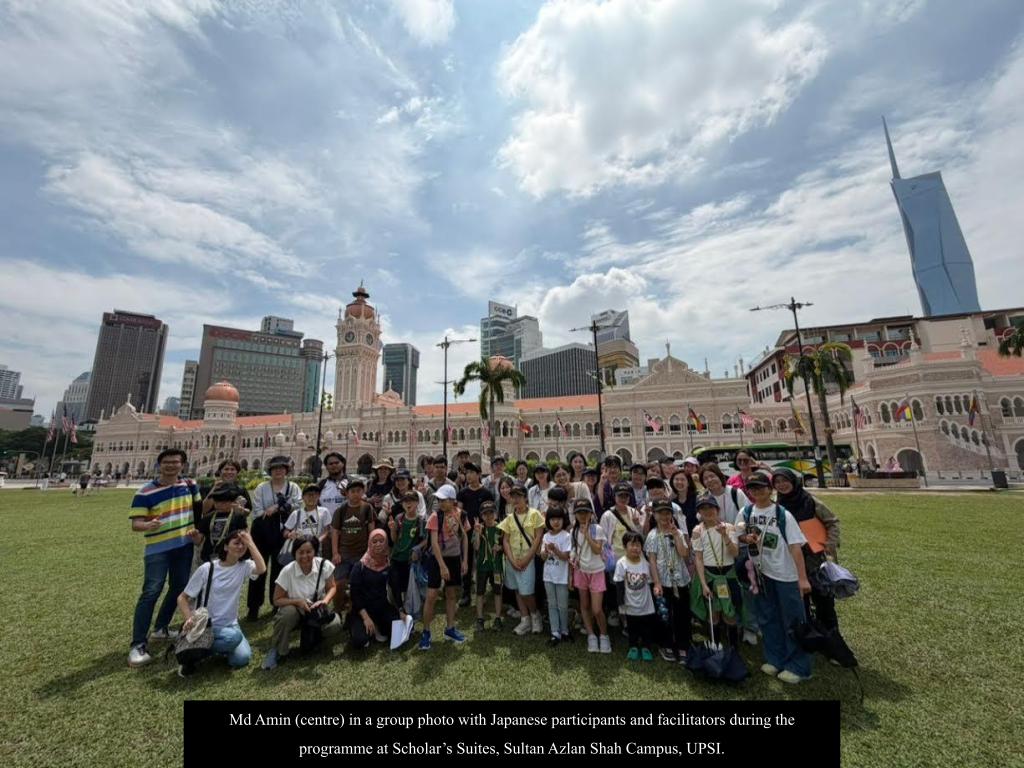
According to Prof Md Amin, such programmes play an important role in nurturing a global generation that is not only proficient in languages but also possesses a deep understanding of cultural diversity.
“UPSI remains committed to expanding high-impact international programmes such as this as a platform to strengthen educational diplomacy and enhance graduates’ employability at the global level.
He added that direct exposure to local culture and cross-border interactions can cultivate openness, tolerance and appreciation of diversity among participants.
“Through this programme, we are not only introducing Malaysia to the world, but also creating opportunities for the exchange of ideas, values and experiences that benefit all parties involved,” he said.
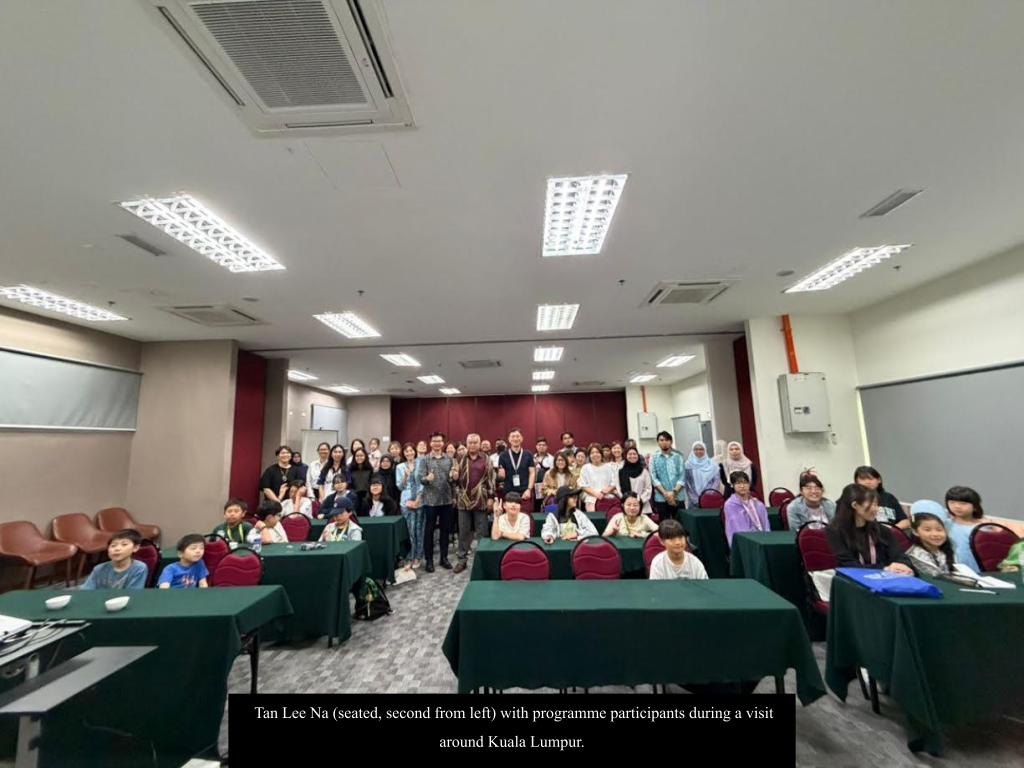
Meanwhile, Programme Director Tan Lee Na said the initiative aims to strengthen participants’ proficiency in English, Malay and Chinese, while introducing the uniqueness of Malaysia’s multicultural society.
“This programme also serves as an experiential learning platform, providing participants with the opportunity to directly engage with the local language and cultural environment.
She said the programme is the result of a strategic collaboration between UPSI and Akito Global Education Sdn Bhd in an effort to expand global education networks and enhance cross-cultural knowledge exchange.
“Throughout the programme, participants were exposed to various interactive activities including English language learning sessions for both primary and secondary levels, Chinese language classes as well as Malay language classes.
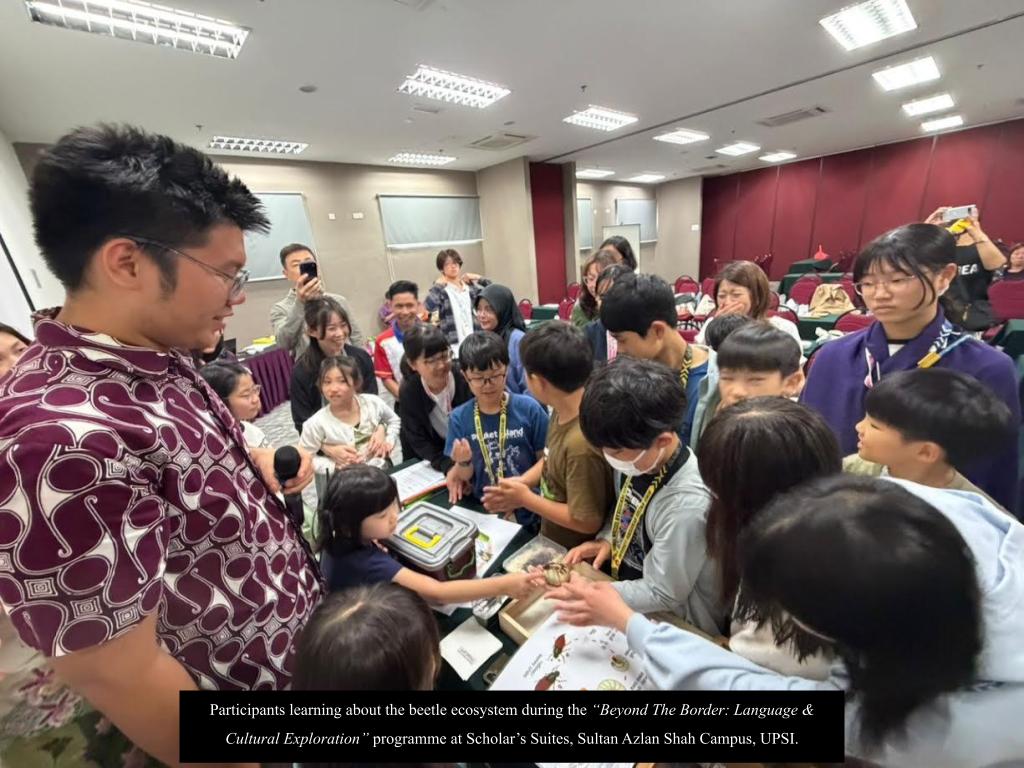
She added that participants also took part in beetle ecosystem exploration sessions, activities at the Edu-Forest, and visits around Kuala Lumpur.
“Participants were also given the opportunity to directly experience local culture through various heritage activities such as wearing traditional Malay headscarves, saris, as well as engaging in rangoli and henna art, and batik-making, which is one of Malaysia’s cultural art identities,” she said.
About The Author