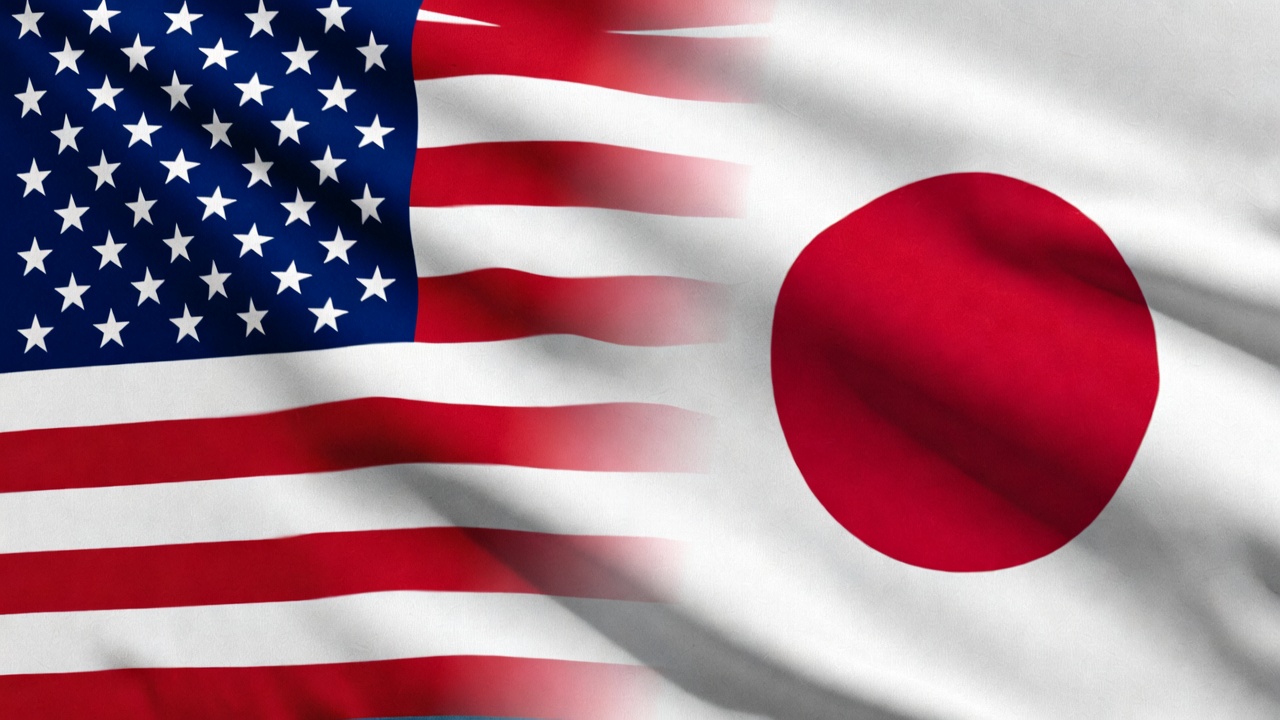
WASHINGTON D.C February 17, 2026 – In a significant boost to bilateral economic ties, the United States has officially launched a massive trade deal with Japan, featuring Japan’s commitment to invest $550 billion in American industries. President Donald Trump announced the development on social media, highlighting three major projects in strategic sectors as the first phase of this agreement.
The deal, struck in July 2025, involves Japan pledging substantial investments in the U.S. in exchange for a reduced 15% tariff on Japanese imports, a compromise from higher duties previously threatened by the Trump administration. This initial tranche amounts to $36 billion, focusing on oil and gas in Texas, power generation in Ohio, and critical minerals in Georgia.
“Japan is now officially, and financially, moving forward with the FIRST set of Investments under its $550 BILLION Commitment to invest in the United States of America — part of our Historic Trade Deal to REVITALIZE the American Industrial Base, create HUNDREDS OF THOUSANDS of GREAT American Jobs, and strengthen our National and Economic Security like never before,” Trump stated in his post on X, formerly Twitter.
The projects include:
– An oil and gas facility in Texas, specifically a liquefied natural gas (LNG) export plant in the Gulf region, aimed at enhancing U.S. energy exports and dominance.
– A gas power plant in Ohio, which Trump noted was secured after persistent negotiations, underscoring the role of tariffs in the deal.
– A critical minerals facility in Georgia, intended to reduce U.S. dependence on foreign sources for essential materials used in technology and defense.
Trump emphasized the scale of these initiatives, crediting tariffs as the key enabler: “The scale of these projects are so large, and could not be done without one very special word, TARIFFS.” He added that the LNG facility will drive exports, the Ohio plant will bolster history-making energy production, and the Georgia project will end “FOOLISH dependence on Foreign Sources.”
This announcement comes amid preparations for a meeting between Trump and Japanese Prime Minister Sanae Takaichi in Washington next month. The pact is seen as a step to revitalize U.S. manufacturing and secure supply chains, building on a framework where Japan funds U.S.-based projects to offset trade imbalances.
However, the deal has faced scrutiny. Critics point to domestic frictions in Japan and financing challenges, with some questioning the feasibility of the full $550 billion commitment by the end of Trump’s term in 2029. Online reactions vary, with supporters hailing it as a win for American jobs, while skeptics dismiss it as exaggerated or reminiscent of past agreements under previous administrations.
Proponents argue it marks a “very exciting and HISTORIC time” for both nations, as Trump concluded, signaling renewed economic momentum. Analysts suggest this could set a precedent for similar deals with other trading partners, prioritizing U.S. industrial resurgence.
As details on project timelines and specific Japanese investors emerge, the focus will be on how these investments translate into tangible economic benefits for American workers and communities.
About The Author