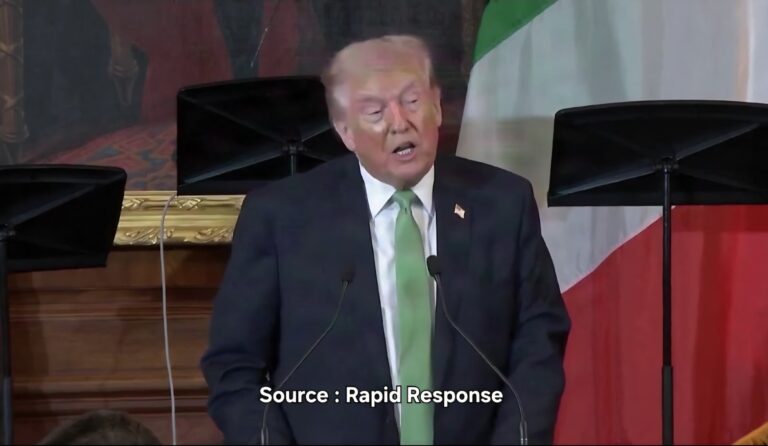
WASHINGTON D.C January 25, 2026 – President Donald J. Trump issued a strong call on Sunday for Democratic governors and mayors across the United States to cooperate with federal immigration authorities in ongoing mass deportation operations, blaming sanctuary city policies for recent chaos and fatalities. The statement, posted via the official White House X account, highlights the administration’s push to enforce border security laws while criticizing previous Democratic leadership for allowing an influx of undocumented immigrants.
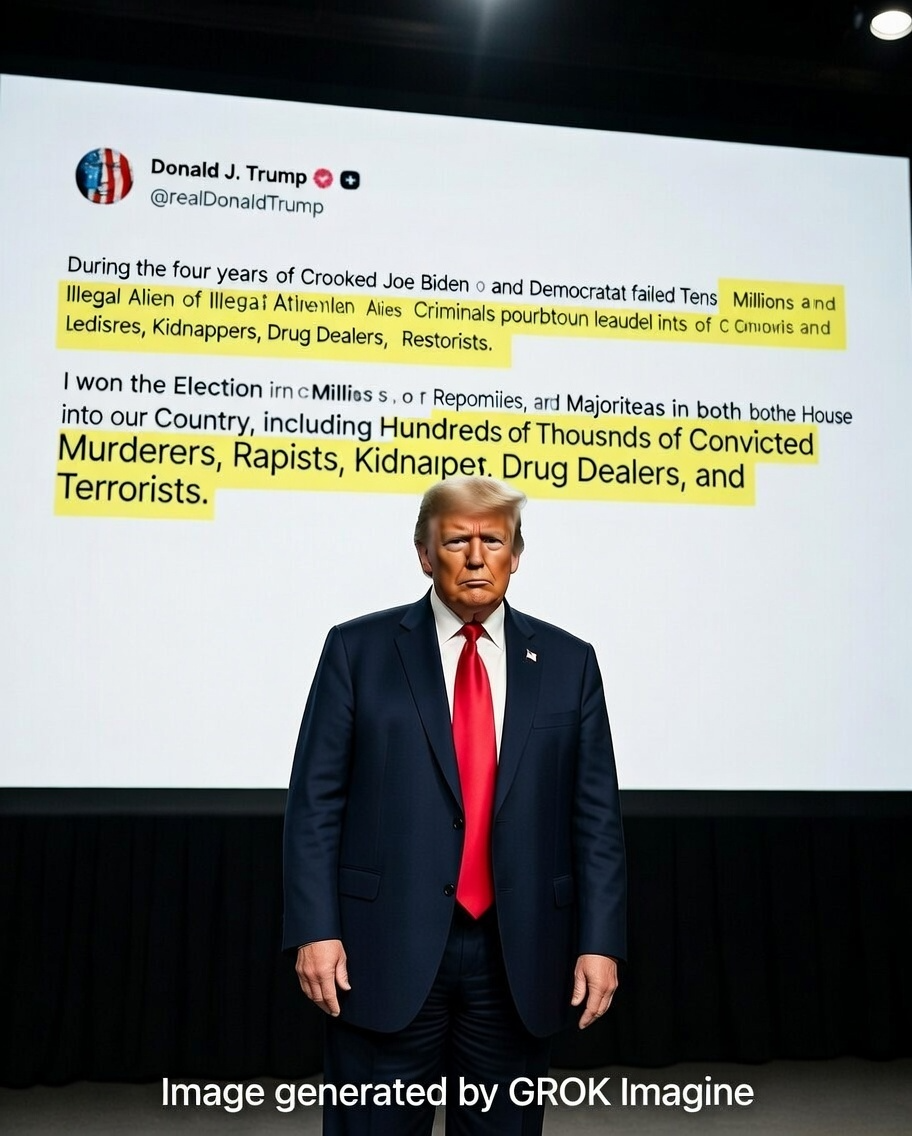
In the detailed statement, Trump recounted the immigration challenges during the Biden administration, claiming that “Tens of Millions of Illegal Alien Criminals poured into our Country, including Hundreds of Thousands of Convicted Murderers, Rapists, Kidnappers, Drug Dealers, and Terrorists.” He credited his “Historic Landslide” election victory and Republican majorities in Congress partly to pledges to “SEAL THE BORDER” and initiate “the largest Mass Deportation of Illegal Alien Criminals in American History.”
Trump praised operations in Republican-led states like Texas, Georgia, Florida, Tennessee, and Louisiana, where he said ICE arrested 150,245 “Criminal Illegal Aliens” over the past year with “ZERO protests, riots, or chaos” due to local-federal cooperation. In contrast, he accused Democrat-run sanctuary cities and states of refusing to cooperate, encouraging agitators to obstruct operations, and creating “dangerous circumstances” that led to the deaths of two American citizens.
The president specifically called on Minnesota Governor Tim Walz and Minneapolis Mayor Jacob Frey, along with all Democratic governors and mayors, to take immediate actions:
- Turn over all criminal undocumented immigrants in state prisons and jails to federal authorities for deportation.
- Agree to hand over all undocumented immigrants arrested by local police.
- Assist federal law enforcement in apprehending and detaining wanted individuals.
- Partner with the federal government to protect American citizens through rapid removals.
Additionally, Trump urged Congress to pass legislation to end sanctuary cities, stating they are “the root cause of all of these problems” and should prioritize “Law-Abiding American Citizens ONLY, not Illegal Alien Criminals.” This announcement comes as the Trump administration reports significant progress in its deportation goals. According to the Department of Homeland Security (DHS), nearly 3 million undocumented immigrants have left the country since Trump’s inauguration, including over 675,000 formal removals and an estimated 2.2 million self-deportations. The White House has touted these efforts as improving Americans’ quality of life, with total deportations exceeding 605,000 and additional self-departures bringing the figure to over 2.5 million.
However, the operations have sparked widespread controversy and protests, particularly in Democratic strongholds. CNN reported ongoing enforcement in states like Minnesota and Maine, with new operations announced amid demonstrations. PBS noted that billions from tax and spending cuts are funding an expanded ICE force, enabling sweeps across the nation. Immigration detention has also surged, rising from about 40,000 at the start of Trump’s term to nearly 70,000 by early January 2026.
Critics, including the American Civil Liberties Union (ACLU), have condemned the use of military assets and national emergency declarations to facilitate mass deportations, arguing it undermines due process and endangers communities. The National Immigrant Justice Center (NILC) described the agenda as “cruel,” warning of broader societal risks. PolitiFact and WLRN reported that while deportations are ongoing, they fall short of Trump’s initial promises, with limited data transparency from the government.
On X, reactions to the deportation plan are polarized. Supporters argue it’s fulfilling campaign promises, with one user stating, “It’s widely supported… People voted for ‘the largest mass deportation operation in U.S. history.’” Others defend the necessity, noting, “Very disappointing that people supposedly in favor of mass deportations… don’t have the stomach for it.” Critics, however, decry the violence, with posts highlighting public outrage and calls for ethical approaches: “Even Republicans are increasingly worried about the effects the violent deportations are having.” Washington Post editorial writer Carine Hajjar called the campaign a “moral and political failure,” urging congressional intervention.
Economic implications are also emerging, with analysts warning of labor shortages in sectors like construction and agriculture if deportations accelerate. States like California have issued “know your rights” guidance in response to raids. As the administration presses forward, the debate over immigration enforcement continues to divide the nation, with potential legislative battles looming over sanctuary policies.
About The Author