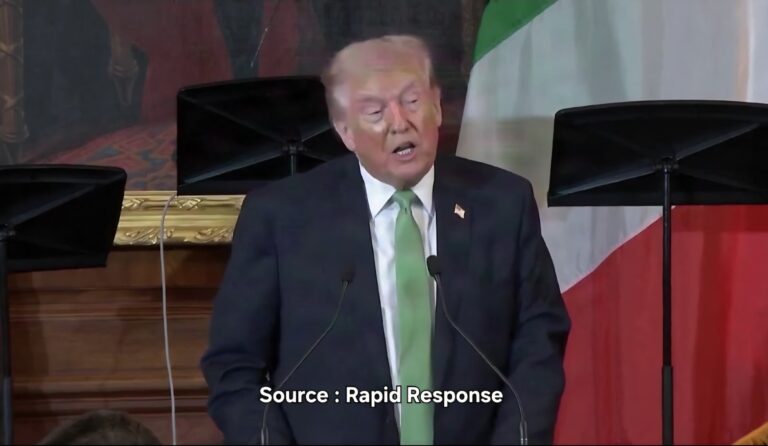
WASHINGTON D.C January 26, 2026 – President Donald J. Trump announced on Monday that he had a “very good telephone conversation” with Minneapolis Mayor Jacob Frey, signaling potential de-escalation in the midst of a controversial immigration enforcement operation that has sparked protests and multiple fatal shootings by federal agents in the city. The statement, posted by the White House on X (formerly Twitter), highlighted ongoing progress and revealed that Trump’s border czar, Tom Homan, will meet with Frey on Tuesday to continue discussions.
In the post, Trump was quoted as saying: “I just had a very good telephone conversation with Mayor Jacob Frey, of Minneapolis. Lots of progress is being made! Tom Homan will be meeting with him tomorrow in order to continue the discussion. Thank you for your attention to this matter!” The announcement comes as the administration faces mounting criticism over “Operation Metro Surge,” a large-scale immigration crackdown involving around 4,000 federal agents from Immigration and Customs Enforcement (ICE) and Customs and Border Protection (CBP) deployed to Minnesota.
Mayor Frey confirmed the call in a statement, emphasizing that both parties agreed “the present situation cannot continue.” Frey, a Democrat, has been vocal about the operation’s impact on the city, arguing that it has led to fear among immigrant communities, business closures, and racial profiling. He highlighted Minneapolis’s reliance on its immigrant population and reiterated his demand for an end to the surge during the conversation. Frey’s office stated that the city will cooperate with federal authorities on criminal matters but not on immigration enforcement.
The talks follow a separate phone conversation between Trump and Minnesota Governor Tim Walz earlier on Monday, which the president described as “productive.” Walz, also a Democrat, urged Trump to scale back the federal presence and ensure state involvement in investigations into recent incidents. Trump indicated that his administration is seeking cooperation from state officials to identify and hand over “any and all criminals” for deportation, potentially allowing for a reduction in CBP agents if compliance improves.
Tensions in Minneapolis have boiled over in recent weeks due to the operation, which has been linked to three shootings involving federal agents since early January. On January 7, Renee Good was fatally shot. Julio Cesar Sosa-Celis was wounded in the leg in a separate incident. Most recently, on January 24, 37-year-old U.S. citizen and ICU nurse Alex Pretti was killed while filming agents on his phone. Federal officials initially claimed Pretti approached with a semi-automatic handgun, but video footage analyzed by independent sources, including BBC Verify, shows he was not holding a weapon at the time of the shooting. Pretti had a permit to carry a firearm, according to Minneapolis Police Chief Brian O’Hara.
The incidents have fueled widespread protests, with demonstrators gathering at shooting sites and memorials. A makeshift memorial for Pretti has been established, and a moment of silence was observed at a Minnesota Timberwolves NBA game, where fans expressed anger toward federal agents. Local authorities, including Minnesota Attorney General Keith Ellison, have accused federal officials of unconstitutional actions and secured court orders to preserve evidence, including body camera footage from the Pretti shooting. However, the administration has not committed to releasing the footage publicly.
In response to the backlash, top Border Patrol official Gregory Bovino and some agents are set to depart Minneapolis on Tuesday, described as a mutual decision amid internal frustrations. Trump has deployed Homan to take charge on the ground, praising him as “tough but fair” and positioning him as the primary contact for local officials. The White House has blamed Democratic state and local leaders for the unrest, accusing them of non-cooperation that has prolonged the federal presence. Press Secretary Karoline Leavitt stated that the administration is investigating the killings but emphasized that enforcement efforts will not be obstructed.
Federal hearings on the operation continue, with no immediate decision on halting it. Upcoming congressional testimonies, including from DHS Secretary Kristi Noem before the Senate Judiciary Committee in March, are expected to address the crackdown’s tactics and outcomes. As Homan arrives in Minnesota, all eyes are on whether the meetings will lead to a reduction in agents or further escalation.
This development marks a shift in Trump’s rhetoric, moving toward collaboration amid public outrage over the shootings and the broader immigration policies. Critics, including Democrats, have called for greater accountability, while supporters argue the operation is necessary to address criminal elements among undocumented immigrants.
Life News Agency will continue to monitor the situation as it unfolds.
About The Author