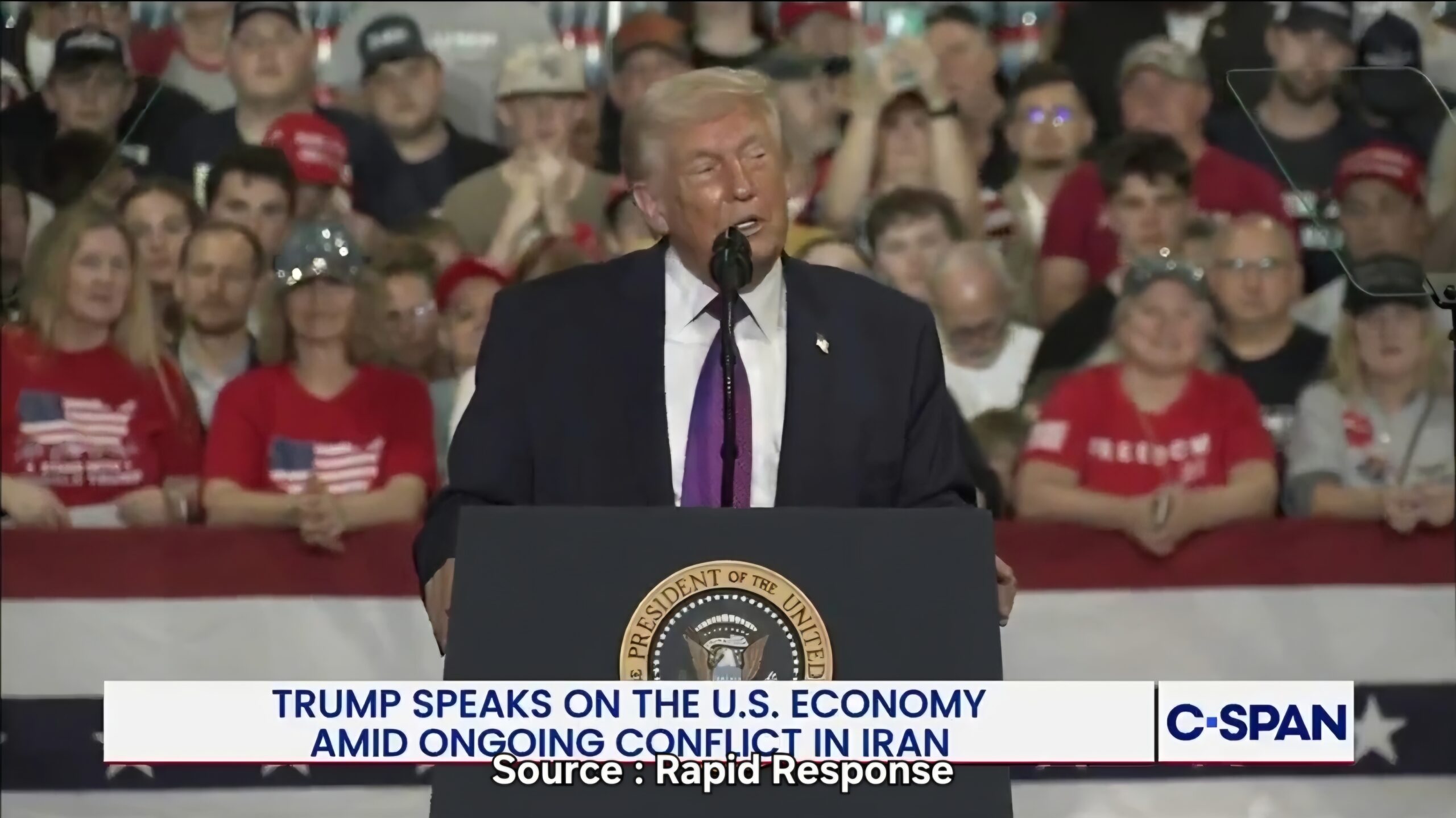
WASHINGTON D.C March 11, 2026 – In a bold address during a rally focused on the U.S. economy, President Donald Trump declared that the United States has “won” the ongoing war against Iran, despite reports of continued attacks and no formal surrender from Tehran. The statement came amid escalating global oil prices, jittery markets, and mixed signals from the White House on the conflict’s endgame.
Speaking before a crowd of supporters, Trump emphasized the swift success of U.S. and Israeli military operations, dubbed “Operation Epic Fury.” “Well, it’s only good if you win. You know, we can all agree and we’ve won. Let me say we’ve won,” Trump stated, adding, “You never like to say too early. We won in the first hour.” He highlighted the destruction of Iran’s drone and missile manufacturing capabilities, claiming U.S. forces had “annihilated the base” and left Iran without a navy or effective communications.
The war, which began on February 28, 2026, following joint U.S.-Israeli strikes, aimed to dismantle Iran’s theocratic regime, neutralize the Islamic Revolutionary Guard Corps (IRGC), and eliminate its nuclear program. Initial reports confirmed the death of Iran’s Supreme Leader Ayatollah Ali Khamenei, with his son Mojtaba Khamenei assuming leadership. Trump has repeatedly praised the campaign’s progress, describing it as a “short-term excursion” ahead of schedule, while insisting on Iran’s “unconditional surrender.”
However, the declaration has drawn skepticism, as hostilities persist. Just hours after Trump’s speech, an American-owned oil tanker was struck by explosive drone boats near Iraqi waters, according to preliminary reports. Iranian forces have retaliated by targeting U.S. and Israeli interests across the Middle East, including bases in Saudi Arabia, Iraq, and other Gulf states. Defense Secretary Pete Hegseth noted that the mission’s phase—whether beginning, middle, or end—remains at Trump’s discretion, underscoring the fluid objectives.
Critics argue Trump’s victory claim is premature and politically motivated, amid falling poll numbers and economic fallout. Oil prices have surged over the past two weeks, exacerbating inflation and straining global markets. Some advisors reportedly urge Trump to declare victory and withdraw, viewing the conflict as a liability. Iranian state media dismissed the announcement as “delusional,” while social media reactions ranged from celebration among Trump supporters to accusations of falsehoods.
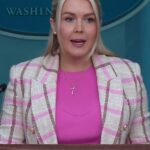
White House Press Secretary Karoline Leavitt echoed Trump’s optimism, stating U.S. forces are “clearly winning” and advancing toward goals. Yet, Trump himself has oscillated, saying in the same speech, “We’ve already won in many ways, but we haven’t won enough.” Analysts suggest the war could drag on, with no clear timeline for resolution despite claims of decisive blows.
The conflict has drawn in regional allies and heightened tensions, with strikes reported in at least nine Iranian cities and ports. Congress did not formally approve the attacks, relying on Trump’s interpretation of war powers, a move that has sparked debate over its constitutionality.
As the situation evolves, global stakeholders watch closely, with potential implications for energy security, U.S. foreign policy, and Trump’s domestic agenda.
About The Author