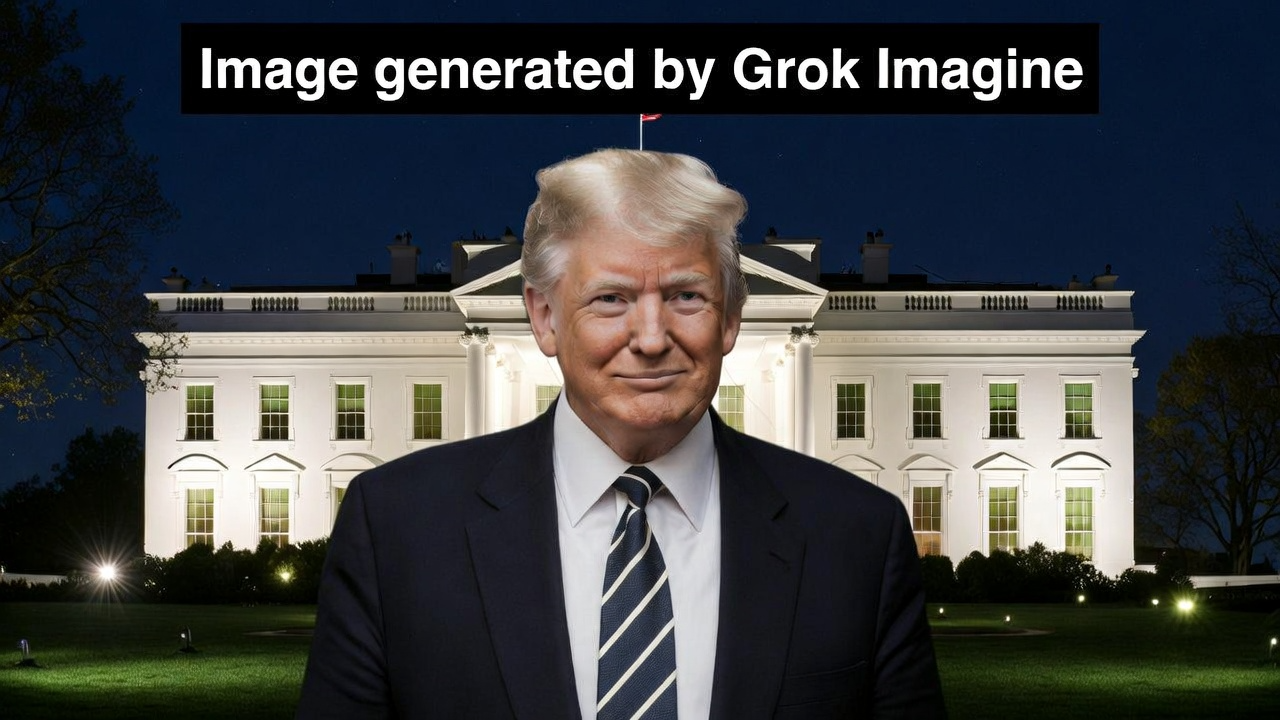
WASHINGTON D.C January 19, 2026 – President Donald J. Trump issued a pointed critique on social media, arguing that media coverage in Minnesota has disproportionately focused on Immigration and Customs Enforcement (ICE) deportations while overlooking what he described as massive financial fraud by state politicians. The statement comes amid heightened tensions in the state, including protests against federal immigration enforcement and ongoing federal probes into alleged corruption.
In a post on Truth Social dated January 19, 2026, Trump stated: “In Minnesota, there is too much media attention on ICE, who have removed some of the worst murderers and criminals in the World, people let into our Country by Crooked Joe Biden’s horrendous Open Border Policy, and not enough attention paid to the staggering sums of money stolen from the State by corrupt Minnesota politicians!” The White House amplified the message on X (formerly Twitter), sharing a graphic with a shortened version of the quote.
Trump’s remarks highlight ICE’s role in recent deportations, which administration officials claim target dangerous criminals admitted under the previous Biden administration’s policies. White House Press Secretary Karoline Leavitt defended the operations, stating that ICE agents are “patriots” enforcing the law against “foreign criminal trespassers.” However, critics argue the surge represents political retaliation against Democratic-led Minnesota, a state Trump has repeatedly called “corrupt” over past election disputes and immigrant communities.
The president’s focus on corruption refers to federal investigations into alleged fraud in Minnesota’s government benefits programs. Treasury Secretary Scott Bessent announced probes earlier this month, estimating billions in stolen funds from programs like child nutrition and welfare initiatives. Sources indicate these scandals involve misuse of federal dollars, with some tying them to immigrant-led organizations. rump allies, including Rep. Tom Emmer (R-Minn.), have accused state Democrats like Gov. Tim Walz and Rep. Ilhan Omar of using the ICE controversy to distract from these issues.
Minnesota officials have pushed back strongly. Gov. Walz described the ICE presence as an “occupation” and called for de-escalation, emphasizing the state’s commitment to “decency, justice, and community.” Attorney General Keith Ellison, along with the cities of Minneapolis and St. Paul, filed a lawsuit on January 12 to halt the federal surge, labeling it “unconstitutional and unlawful” and motivated by vendettas against political opponents. Rep. Omar and Minneapolis Mayor Jacob Frey echoed this, accusing the Trump administration of “political retribution” and an “invasion.”
The backdrop to Trump’s statement includes violent clashes in Minneapolis. On January 7, an ICE agent fatally shot Renee Nicole Good, a 37-year-old local resident, during a confrontation amid protests against immigration raids. Good’s death sparked nationwide demonstrations demanding justice. A second incident on January 14 saw a federal officer shoot a man in the leg during an attempted arrest, further fueling unrest. Protests have involved vandalism and confrontations, with some demonstrators alerting communities to ICE movements.
In response to the escalating protests, Trump threatened on January 15 to invoke the Insurrection Act, a rarely used law allowing military deployment for domestic law enforcement. “If the corrupt politicians of Minnesota don’t obey the law and stop the professional agitators and insurrectionists from attacking the Patriots of I.C.E., who are only trying to do their job, I will institute the INSURRECTION ACT,” he posted on Truth Social omeland Security Secretary Kristi Noem has discussed the option with the president, while Pentagon officials indicated readiness to deploy troops if ordered. Critics, including civil rights groups, called this an “autocratic power grab” that could militarize immigration enforcement.
The “Operation Metro Surge” has deployed over 3,000 federal agents to the Twin Cities, focusing on areas with large Somali-American populations—a community Trump has targeted in rhetoric, calling for deportations. While the administration claims the operations enhance public safety, local leaders argue they endanger residents and strain resources. Several U.S. attorneys in Minnesota resigned over the handling of the Good shooting investigation, citing reluctance to probe the ICE agent.
As investigations into both the shootings and the alleged fraud continue, the situation in Minnesota remains volatile, with calls for federal withdrawal clashing against demands for stricter enforcement. The White House has not announced further actions but maintains the operations are necessary to address “criminal elements” enabled by prior policies.
About The Author