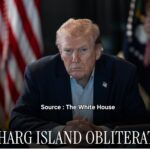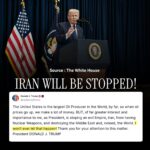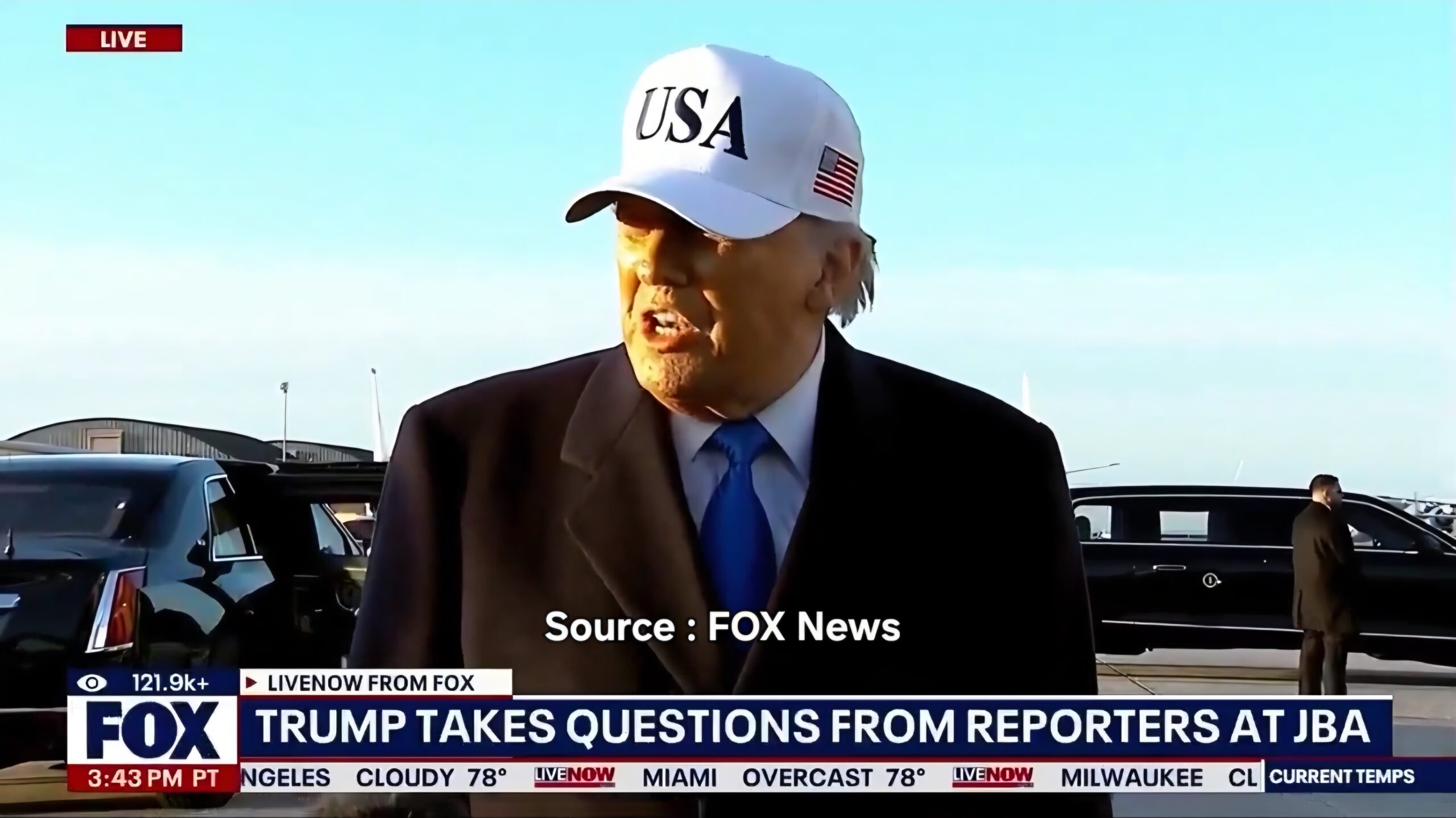
WASHINGTON D.C March 13, 2026 – In a impromptu press gaggle at Joint Base Andrews on Friday, President Donald Trump declared that the United States holds a “position of dominance” in the ongoing conflict with Iran, emphasizing that the Iranian military has been severely crippled. The remarks come amid escalating tensions in the Middle East, where U.S. and Israeli forces have conducted joint strikes since late February, leading to widespread destruction and global economic ripple effects.
Speaking to reporters before boarding Air Force One, Trump elaborated on his earlier demand for Iran’s “unconditional surrender,” a term he first used publicly on March 6 via a post on Truth Social. “To me, it means very simply that we are in a position of dominance and nobody’s ever seen before,” Trump said in the clip shared on X by the White House Rapid Response account. He continued, “Their navy is gone, their air force is gone, most of their military is gone… They have no radar, they have no anti-aircraft weapons for the most part… Just about everything is gone, and you’ll see that.”
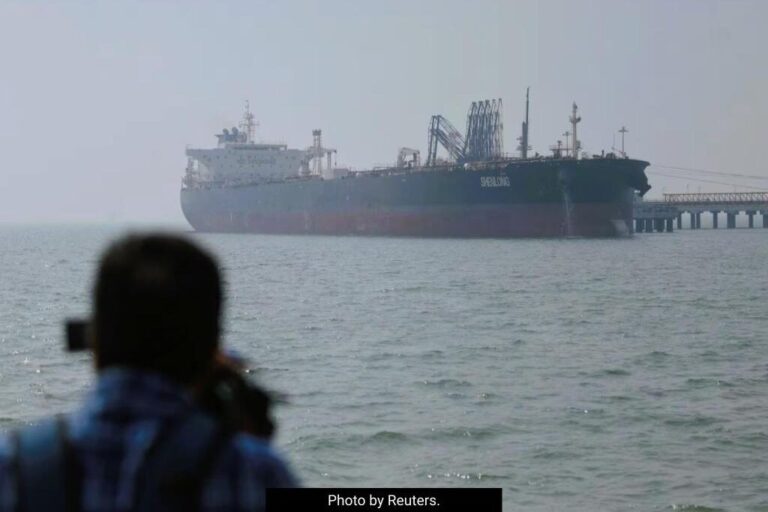
The president’s comments align with his administration’s narrative of rapid military success, despite reports of continued Iranian resistance, including missile launches and control over key chokepoints like the Strait of Hormuz. Trump has repeatedly shifted his rhetoric on the war’s endgame, from demanding full capitulation and the installation of a “great and acceptable leader” in Iran to more vague assurances that operations will conclude “when I feel it in my bones,” as he told Fox News Radio host Brian Kilmeade earlier that day.
White House Press Secretary Karoline Leavitt clarified the surrender demand, stating it would be achieved once Iran “no longer poses a threat” and U.S. objectives are met, regardless of whether Tehran formally acknowledges it. However, critics argue that Trump’s expansive goals—now including regime change—could prolong the conflict, which has already disrupted global oil supplies and strained international alliances.
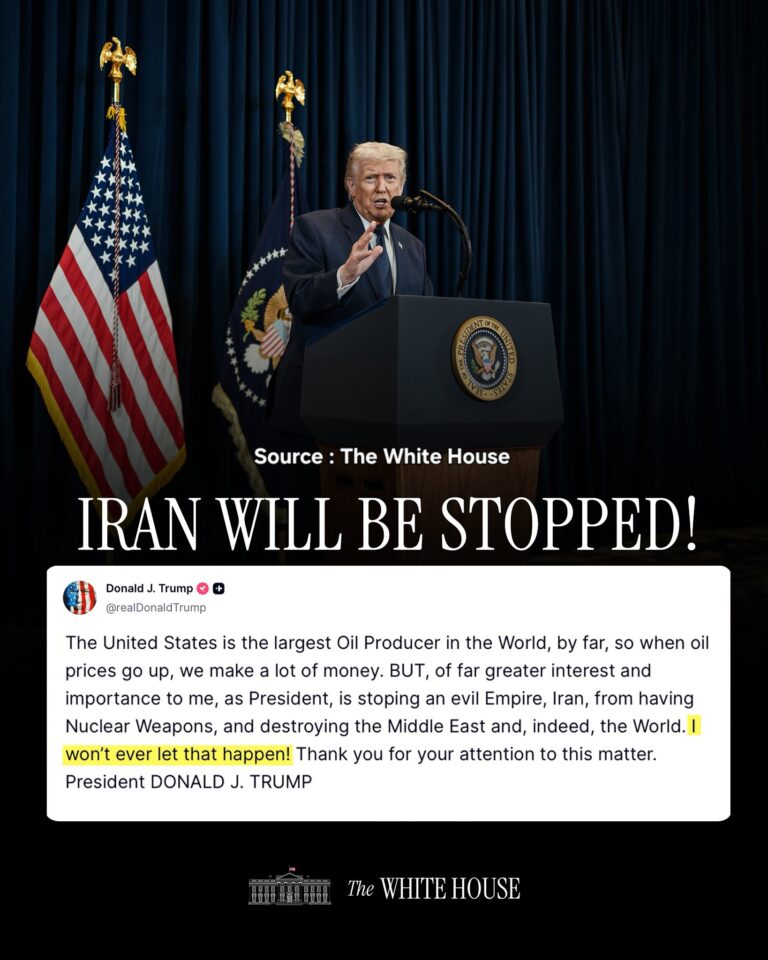
The war, which began with preemptive strikes on Iranian infrastructure on February 28, has drawn mixed reactions. Supporters praise the aggressive stance against what Trump calls an “evil empire” threatening nuclear proliferation, while opponents highlight the humanitarian toll and economic costs, including soaring energy prices. Iranian officials have dismissed Trump’s claims, vowing continued defiance.
Trump’s Friday remarks also touched on recent “very big hits” against Iranian targets, though details were not provided. As the conflict enters its third week, the president remains optimistic, promising to “make Iran great again” post-surrender. Global markets, however, reflect uncertainty, with oil futures volatile amid the ongoing blockade of shipping lanes.
The White House has not announced further briefings, but Trump is scheduled to address House Republicans next week, where the Iran strategy is expected to feature prominently.
About The Author