How nanoparticles are supercharging the future of renewable energy
By Professor Dato Dr Ahmad Ibrahim
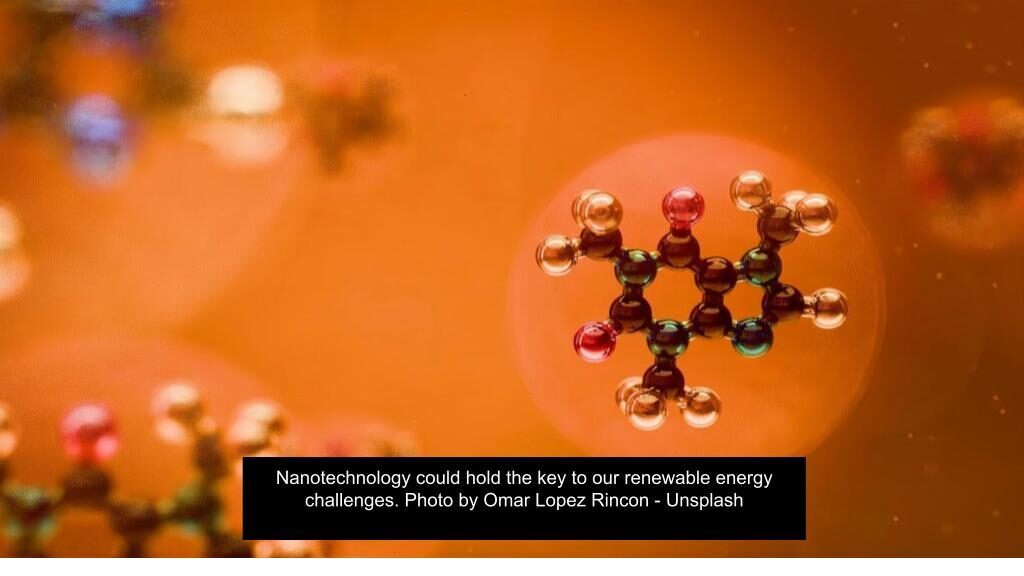
Imagine a simple, yet revolutionary, upgrade to our renewable energy systems: not a massive new solar farm or a towering wind turbine, but an infusion of microscopic particles—thousands of times smaller than a human hair—into the very fluids that make these technologies work. This isn’t science fiction; it’s the cutting-edge promise of nanofluids, as detailed in a comprehensive review by researchers Behera, Sangwai, and Byun. Their work reveals that the path to a more efficient green energy future may be paved with extraordinarily small things.
For decades, the Achilles’ heel of many renewable technologies has been fundamental physics. Solar collectors overheat and lose efficiency. Geothermal systems struggle to suck enough heat from the earth. Storing excess energy for a windless night or a cloudy day remains a monumental challenge. The central finding of this review is that nanofluids—base fluids like water or oil embedded with nanoparticles of metals, oxides, or carbon—are emerging as a master key to unlocking these bottlenecks by radically enhancing thermal properties. Supercharging solar power: Beyond simple heating. The most compelling evidence for nanofluids lies in solar energy. Traditional flat-plate solar collectors use water or antifreeze to capture heat, but they hit a thermal ceiling. The review highlights that by dispersing nanoparticles—copper, silver, alumina, or graphene—into these fluids, we can create a “super-fluid” with vastly improved ability to absorb and transfer the sun’s energy.
The nanoparticles do two critical things: First, they turn the fluid into a more effective light absorber, capturing a broader spectrum of solar radiation. Second, their immense surface-area-to-volume ratio creates a frenetic dance of energy transfer at the molecular level, dramatically boosting thermal conductivity. The result? Studies show efficiency jumps of up to 10-30% in solar thermal systems. This isn’t just an incremental gain; it’s a leap that could make solar water heating and concentrated solar power far more cost-effective and competitive with fossil fuels. Tapping earth’s heat and storing the sun’s embrace. The applications extend far beyond the panels on a roof. The review points to nanofluids’ potential in geothermal energy, where they act as superior heat extraction agents. When pumped underground, these advanced fluids can absorb heat from hot rock formations more effectively than water alone, potentially expanding the viability of geothermal power to regions previously considered unsuitable.
Perhaps even more critical is the role nanofluids can play in solving renewable energy’s storage problem. The sun doesn’t always shine, and the wind doesn’t always blow. The authors emphasize that nanofluids are ideal candidates for advanced thermal energy storage (TES) systems. By using nanofluid-based molten salts or other phase-change materials, we can store excess thermal energy with higher density and efficiency. This stored heat can then be converted to electricity on demand, effectively creating a “thermal battery” that can smooth out the intermittent nature of solar and wind power. There is a reality check though: There are hurdles on the path to adoption: However, the review by Behera etal is no blind techno-optimism. It carefully outlines the significant challenges that stand between laboratory triumph and widespread commercialization. The “Achilles’ heel” of nanofluids has been stability. Nanoparticles have a stubborn tendency to clump together and settle out of solution, defeating their purpose over time. Researchers are making headway with surfactants and ultrasonic agitation, but long-term stability in harsh, real-world conditions remains a key research frontier.
Furthermore, there are cost and environmental considerations. Producing high-quality nanoparticles consistently and at scale is expensive. The review calls for more life-cycle assessments to ensure that the energy and environmental cost of creating these nanofluids doesn’t outweigh the benefits they provide. The potential impact on pumps and pipes due to increased viscosity or abrasion also requires more engineering solutions. The bottom line: A paradigm shift in energy fluids. The major takeaway from this research is that we are witnessing a paradigm shift. The conversation about renewable energy efficiency is expanding from the macro—bigger turbines, larger arrays—to the nano. By re-engineering the fundamental heat transfer fluids at the heart of these technologies, we can squeeze significantly more power from the same sun, the same wind, and the same earth.
The work of Behera, Sangwai, and Byun makes it clear that nanofluids are not a mere laboratory curiosity. They are a powerful, cross-cutting innovation with the demonstrated potential to elevate the entire renewable energy sector. While hurdles remain, the pursuit of stable, cost-effective nanofluids is no longer a niche field—it is an essential front in the global race for a sustainable and secure energy future. The giants of this next energy revolution, it seems, will be truly tiny. It is wise for Malaysia to take notice of this as we are also on a similar journey.

The author is affiliated with the Tan Sri Omar Centre for STI Policy Studies at UCSI University and is an Adjunct Professor at the Ungku Aziz Centre for Development Studies, Universiti Malaya.
About The Author