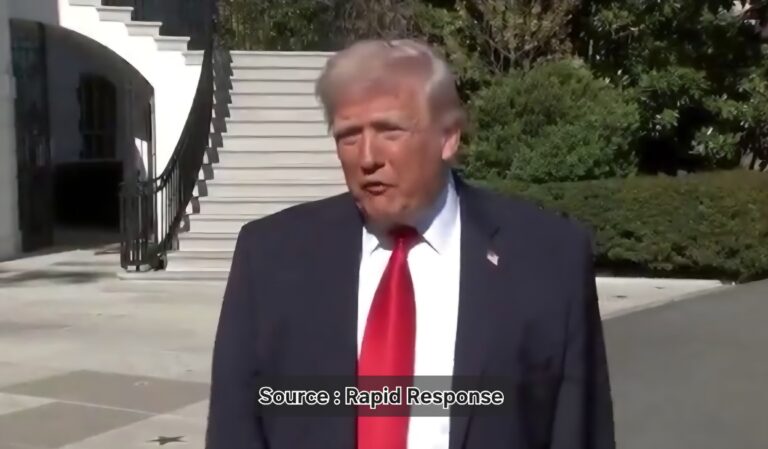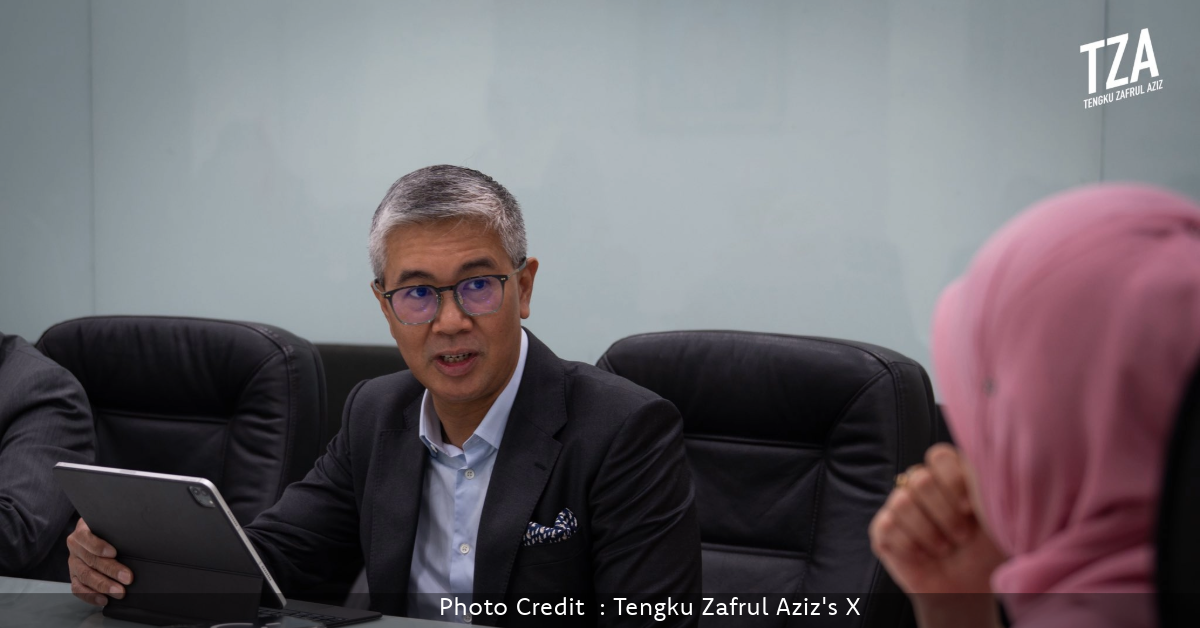
KUALA LUMPUR, MALAYSIA February 23, 2026 – Tengku Zafrul Aziz, Chairman of the Malaysian Investment Development Authority (MIDA), has publicly dismissed claims by former Economy Minister Rafizi Ramli that Malaysia is facing nearly double tariffs from the United States, calling it an unwarranted “spin.” In a video posted on X (formerly Twitter) early this morning, Zafrul emphasized that the recent U.S. Supreme Court ruling invalidating former President Donald Trump’s sweeping tariffs means the 19% rate previously agreed upon by Malaysia no longer applies
The video, which has garnered over 9,500 views, 185 likes, and sparked numerous replies, features Zafrul addressing the controversy directly. “Malaysia kena tarif dua kali ganda banding negara lain? Janganlah spin macam tu sekali, Rafizi,” he states in the post’s caption, translating to “Malaysia hit with double tariffs compared to other countries? Don’t spin it like that, Rafizi.” Zafrul, dressed in traditional attire including a songkok, uses on-screen graphics and news clippings to argue that the court’s decision has nullified the tariffs imposed under Trump’s emergency powers, rendering any talk of “double” penalties moot.
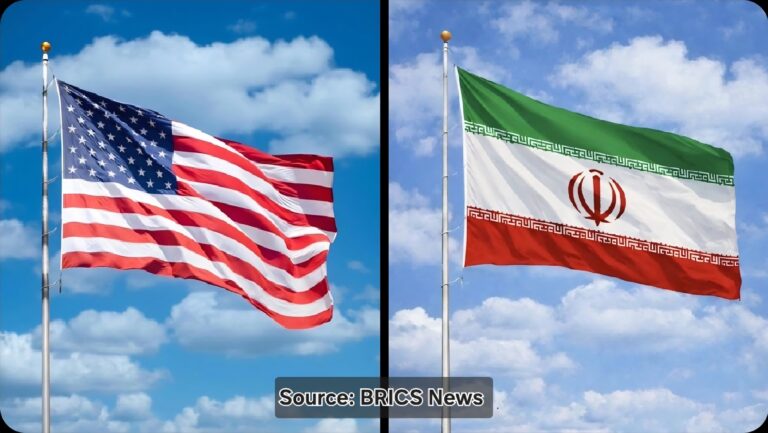
In the two-minute video, Zafrul highlights Malaysia’s proactive approach in signing the America Reciprocal Trade (ART) agreement in October 2025, which reduced potential tariffs from 25% to 19% on 1,711 product lines. He compares this to deals secured by other nations: Indonesia agreed to a 19% tariff on palm oil and commodities, while Japan and South Korea negotiated down to 15%. Zafrul stresses that preparation early on protected Malaysia’s interests in global trade, especially amid Trump’s subsequent announcement of a new 15% global tariff after the court’s 6-3 ruling on February 21.
Rafizi’s criticism stems from the government’s decision to sign the ART without parliamentary debate, suggesting it led to unnecessary concessions and now exposes Malaysia to higher effective rates under Trump’s revised measures. Zafrul counters this by noting the timing of Ramadan (bulan puasa), urging restraint in political rhetoric: “Bulan puasa ni, janganlah asyik nak spin” (During this fasting month, don’t keep spinning things). He adds that the U.S. retains other mechanisms for tariffs, but Malaysia’s economy has seen benefits, with U.S.-Malaysia trade rising 15% last year due to mitigated risks.
The post has elicited mixed reactions online. Supporters like user @DrJamalul praised it as the “best explanation,” while critics such as @pragmalaya accused Zafrul of downplaying sovereignty losses. Another reply from @ZIMGODO highlighted perceived haste in signing the deal, stating, “Nasib baik la Supreme Court batalkan tarif bangang tu” (Good thing the Supreme Court canceled that stupid tariff).
Prime Minister Dato’ Seri Anwar Ibrahim has indicated the government is awaiting a briefing from the Ministry of Investment, Trade and Industry (MITI) before responding fully to Trump’s new tariffs. MITI is assessing the implications, noting that existing trade deals remain in force despite the court ruling.
This exchange underscores ongoing tensions in Malaysian politics over trade policy, particularly with the U.S. amid global economic uncertainties. Analysts suggest the ruling provides modest relief for Malaysia’s exporters, potentially allowing renegotiation under the lower 15% framework.
About The Author