MOSCOW January 3, 2026 – The Russian Ministry of Foreign Affairs (MFA) issued a sharp condemnation of the United States’ military actions in Venezuela, describing them as an “act of armed aggression” that warrants international rebuke. In a statement released early Saturday, the MFA expressed “deep concern” over the strikes, which targeted multiple locations in northern Venezuela, including the capital Caracas.
The Russian statement emphasized that the pretexts used by the US to justify the operation are “untenable,” accusing Washington of allowing “ideologized animosity” to override pragmatic dialogue and trust-building efforts. “In the current situation, it is essential above all to prevent further escalation and to focus on finding a solution through dialogue,” the MFA urged, offering Russia’s support for such mechanisms. It reiterated that Latin America should remain a “zone of peace,” as declared in 2014, and affirmed Venezuela’s right to self-determination without external interference, particularly military.
Russia reaffirmed its “solidarity with the Venezuelan people” and support for the “Bolivarian leadership” in safeguarding national sovereignty. The MFA also backed calls from Venezuelan authorities and Latin American leaders for an urgent UN Security Council meeting to address the crisis. Additionally, it noted that Russia’s Embassy in Caracas is operating normally, maintaining contact with local authorities and Russian nationals, with no reports of injuries among citizens.
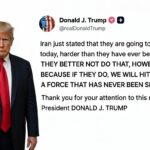
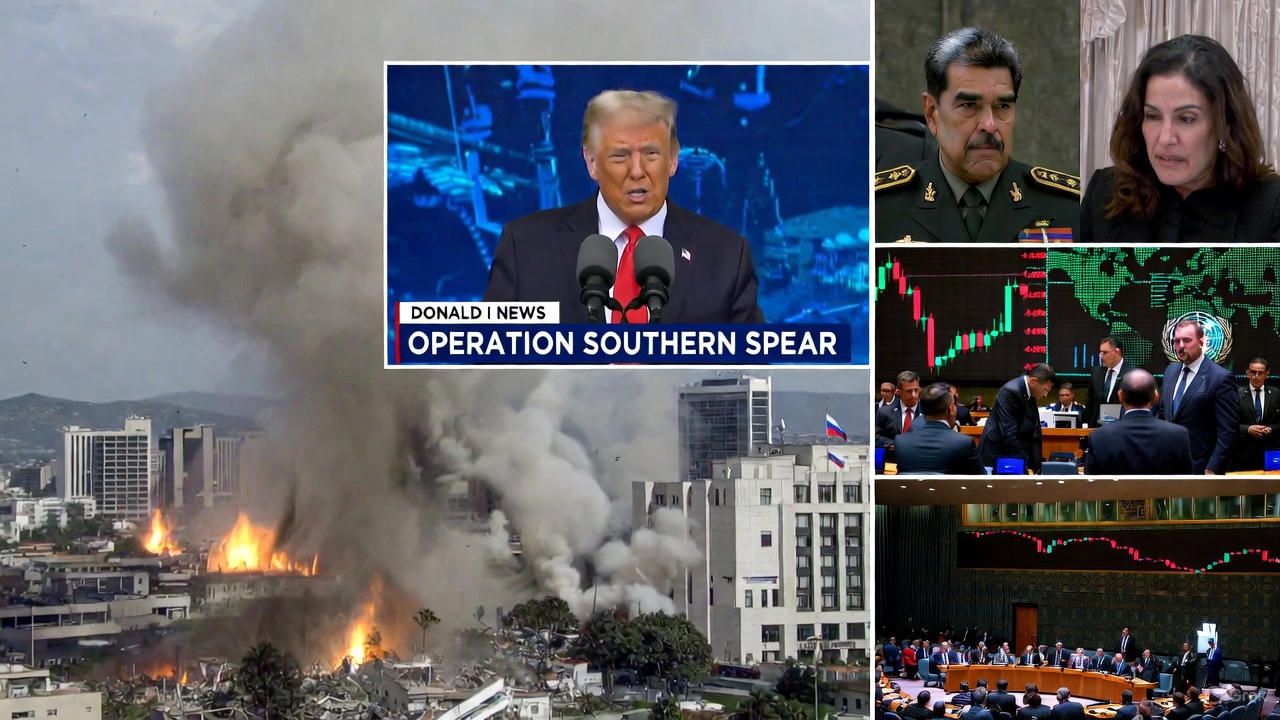
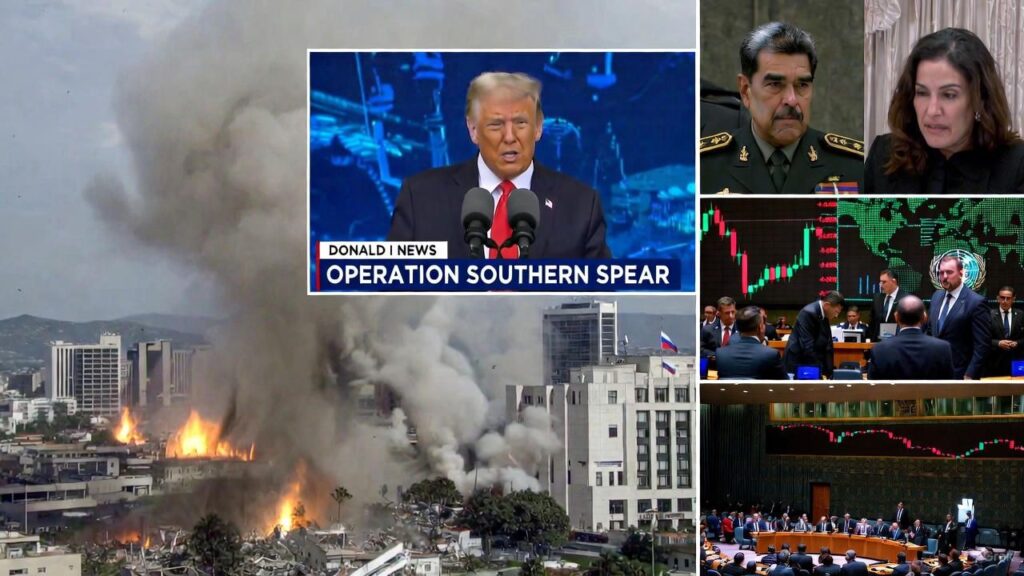
The US strikes, launched in the early hours of January 3, involved airstrikes on military sites and other targets, with reports of explosions and low-flying aircraft over Caracas. US President Donald Trump announced on his Truth Social platform that the operation, dubbed “Operation Southern Spear,” resulted in the capture of Venezuelan President Nicolás Maduro and his wife, Cilia Flores, who were flown out of the country. Trump described the action as a “large-scale strike” conducted in coordination with US law enforcement, with Maduro potentially facing trial in the US on drug trafficking charges.
Sources indicate the mission involved special operations forces, including the Army’s Delta Force, and was greenlit by Trump days earlier. The strikes targeted key military installations, such as the El Libertador airbase and ammunition depots, with US Marines reportedly landing on northern Caribbean islands. This marks the most direct US intervention in Latin America since the 1989 invasion of Panama.
Venezuelan officials accused the US of attacking civilian and military sites across multiple states, declaring a national emergency and calling for civilian mobilization to “repudiate this imperialist attack.” Allies like Cuba denounced the operation as “state terrorism” against the Venezuelan people.
The action follows months of escalating US pressure on Maduro, including sanctions, airstrikes near Venezuelan waters since September, and embargoes aimed at weakening his regime. Critics, including some observers, suggest the strikes may be linked to US interests in Venezuela’s oil reserves and efforts to curb drug smuggling. However, Venezuelan state media and Maduro’s government have framed it as an oil grab and violation of sovereignty.
International reactions are pouring in, with Russia positioning itself as a staunch supporter of Venezuela amid its own geopolitical tensions with the West. The UN Security Council meeting, if convened, could become a flashpoint for broader debates on intervention and sovereignty. As the situation unfolds, global markets are monitoring potential impacts on oil prices, given Venezuela’s significant reserves.
About The Author