By Prof. Dr. Mohammad Tariqur Rahman
More frequently than before, we gather the news of raiding criminal hideouts and detaining Bangladesh citizens in Malaysia for operating various offenses, including extortion, unauthorized business, and attempting illegal entry or overstaying in Malaysia. That reflects the widespread operation of criminal gangs of Bangladeshi citizens in Malaysia.
The recent addition to that list is fake doctors offering “treatment” for Bangladeshi workers in Malaysia. 17 Bangladeshi citizens were detained after raiding nine illegal clinics in Jalan Tun Tan Siew Sin on 13 February 2026.
Apparently, those fake doctors were prescribing and selling antidepressants, antibiotics, and medication for diabetes, high blood pressure, cholesterol, as well as gastric problems.
Adding from my personal experience while travelling, I notice a few Bangladeshi citizens would remain vigilant in public disguise at the KLIA. They catch birds (travellers, I meant) who are queuing for check-in with extra baggage and offer “help” to accommodate the extra weights – the purpose is nothing but to earn some extra income.
Such a scene is unseen for other travellers in KLIA, who wait to check in for other destinations, but not for Dhaka.
It is a sad thought to consider what new, unforeseen crimes might be perpetrated by those from a nation once held in high regard for being trustworthy and hardworking.
What makes those criminal individuals or gangs feel that Malaysia is a safe haven to operate criminal offenses?
Are they being protected by any invisible syndicates? Is it easy to escape law and enforcement authorities in Malaysia, more particularly for offenders of Bangladeshi origin? Is it that punishments or penalties for those offenses are not sufficient to prevent the return of the criminal gangs?
Or is it because committing criminal offenses has become part of their means of livelihood for a vast majority of the population in Bangladesh, including those who come to Malaysia? Albeit that sounds harsh, I can’t rule out that possibility. Afterall, the nation has been repeatedly crowned the global champion of corruption.
This very brutal reality for the nation needs to be identified, acknowledged, and mended. Surely the primary responsibility lies with the Government of Bangladesh.
The honesty and courage to acknowledge the predicament of the nation’s fame because of such criminal offenses of its citizens on foreign soil may start with the identification of the hidden syndicates, if there are any, that are providing shelters and support to those offenses.
At the same time, the Bangladesh Government authorities, more particularly those responsible for overseas employment, must introduce mandatory training to educate outgoing workforces so that they will maintain their civic responsibilities abroad.
In addition, there is a need for stricter immigration control at the Hazrat Sahjalal International Airport to prevent any potential illegal as well as unusual attempts to depart for Malaysia.
Finally, extending all-out support to the local authorities to expose and punish any individual or group of criminal syndicates is imperative. Thanks to the current administration in Malaysia, which seems to be determined to curb all possible hideouts of criminal offences, whether operated by Bangladeshi citizens or others.
Perhaps the new Government in Bangladesh will be proactive in eradicating all forms of criminal operatives that are eventually damaging the fame and acceptance of its citizens among Malaysians.
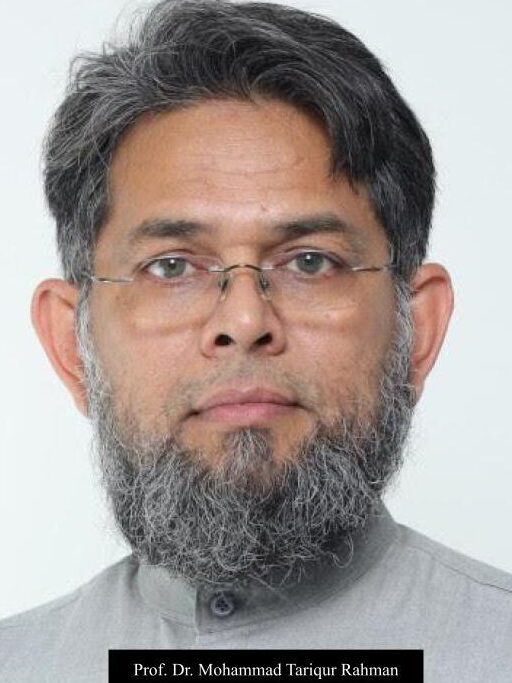
Prof Mohammad is the Deputy Executive Director (Development, Research & Innovation) at International Institute of Public Policy and Management (INPUMA), Universiti Malaya
About The Author